Blog

  • The Physical Withdrawal Symptoms of Quitting Smoking

    The Physical Withdrawal Symptoms of Quitting Smoking

    Quitting smoking can be the most important health decision a person can make. The average lifespan of a smoker is 17 years less than a non-smoker due to the multitude of diseases, cancers, and other adverse health effects that come with prolonged nicotine abuse. Quitting smoking can be difficult to accomplish for some people because of the psychological difficulties, and of course the physical difficulties as well.

    When a person quits smoking the body has to adjust again to not having the nicotine and other poisons influencing their brains and bodies. The good news is that once free, in a very short time to body once again begins to regain balance and normal cardiovascular and nervous system functioning.

    This article will look at some of the physical symptoms that can occur when a smoker decides to quit, and how Clinical Hypnosis and Hypnotherapy can help ease these withdrawal symptoms. To be sure, not all smokers experience these symptoms, and some smokers experience none of them.

    What Are the Physical Symptoms of Nicotine Withdrawal?

    When person quits smoking or taking in nicotine, the body immediately begins rebalancing from the previous constant detoxification from nicotine and the other poisons. The body’s adjustment is felt as withdrawal symptoms. It’s important to remember that withdrawals are sings of the body rebalancing and are therefore good for the body. Here are some of the physical withdrawal symptoms that can occur when a person’s body is readjusting to being free of the poisons from smoking:

    • Anxiety
    • Headaches
    • Itchiness
    • Restlessness
    • Insomnia
    • Fatigue
    • Drowsiness
    • Tremors
    • Irritability
    • Sensitivity
    • Hunger
    • Thirst
    • Dry Throat
    • Cotton Mouth
    • Heart Palpitations
    • Muscle Cramps
    • Digestive Problems
    • Dizziness

    The more nicotine a person consumes, the more receptors in the brain are created to receive the extra dopamine that is released. Dopamine is the chemical released by the brain that makes you feel good. When the brain expects nicotine (and the accompanying dopamine) and then does not receive it, as in the case of people quitting smoking, these withdrawal symptoms start to appear. However, very soon the body’s own production of dopamine recovers and the person feels good naturally again.

    Withdrawal Symptoms from Smoking

    A Brief Timeline of the Physical Symptoms Experienced When Quitting smoking

    20 Minutes

    Only 20 minutes after a last cigarette, a person’s heart rate will return to normal. This is because nicotine has a mild adrenaline effect on the brain, which affects the heart rate.

    2 Hours

    As heart rate and blood pressure return to a non-smoker’s level, sensation returns to extremities of the body such as toes and fingertips.

    12 Hours

    Restlessness and sleeplessness can present itself as early as the first night after quitting smoking. Fortunately harmful carbon monoxide levels in the body have already been decreased by half by this time.

    48 Hours

    After two days, people can expect the sensitivity of touch, smell, and taste all to return to normal levels, on par with that of non-smokers.

    72 Hours

    All nicotine is gone from the body and most withdrawals symptoms are alleviated.

    2 Weeks

    The risk of having a heart attack has now been decreased to the same as a non-smoker.

    1 Month to 10 months

    The lungs have microscopic, hair-like organelles called cilia that remove mucus and other disease causing bacteria. The cilia that have been damaged by smoking cigarettes will start to rebuild themselves and clear out all of the chemical build up that smoking has caused.

    1 Year to 15 Years

    By maintaining a smoke-free life permanently, life expectancy increases by 17 years. Additionally, the chance of being diagnosed with smoking-related diseases or cancers decreases by 50{cb12661b2b7fd86e618703ac3a1bf5df9897d897450d7668a57e7745cc225577} after the first five years. Amazingly, after 10 to 20 years, that risk is at the same level of a non-smoker.

    Other Physical Symptom Triggers

    When a person quits smoking, the brain can now produce sufficient acetylcholine – the neurotransmitter that nicotine simulates – and can now trigger new physical habits that were previously associated with smoking. These new habits are actions. These can include everyday habitual situations such as the following:

    • Driving
    • Having a coffee
    • The end of a meal
    • Drinking alcohol/social events
    • Stressful situations

    Soon these regular life situations can be lived or enjoyed without the habit of poisoning oneself.

    Clinical Hypnosis and Hypnotherapy

    While the physical withdrawal symptoms can be a challenge for some people, the short- and long-term internal health and physical benefits far outweigh the inconvenience of a possible few days of discomfort. Quitting properly with Clinical Hypnosis and Hypnotherapy can help significantly minimize these symptoms, and make quitting smoking as easy as possible.

    There are many ways of quitting smoking, including patches, gums, e-cigarettes, lozenges, and others. However, all of these methods use some of the same chemicals, carcinogens, and properties that are found in cigarettes, except in different doses and configurations, and some new poisons that are not in cigarettes. Joseph R. Giove is a certified Clinical Hypnotist who has over 25 years of experience helping people quit smoking without the aid of harmful chemicals and carcinogens that are abundant in other quitting smoking methods. Joseph R. Giove Clinical Hypnosis is ready to help you quit smoking with ease and dignity.

  • Quitting Smoking Timeline

    Quitting Smoking Timeline

    Quitting smoking improperly is one of the hardest endeavors a person can undertake. Scientists have found that nicotine addiction is similar in intensity to being addicted to heroin or cocaine. There are endless health benefits to quitting smoking including dramatically reducing the chances of developing many cancers (particularly lung cancer), lessening the risk of a stroke or heart attack, and countless other physical and psychological health improvements.

    People who successfully quit smoking more often than not look back and remember thinking the process was going to be a nightmare but with help from smoking cessations aids such as Clinical Hypnosis and Hypnotherapy, the actual journey ended up being easier than they first imagined.

    The key component of ditching cigarettes for good is first to make the decision to quit. It can be helpful tool is to understand what may happen in your mind and body in the coming minutes, hours, days, weeks, and years when you quit this debilitating addiction called smoking. This article will discuss the different phases the body and mind of the smoker will go through as they start the journey of quitting smoking, and how Clinical Hypnosis and Hypnotherapy can be an important and valuable resource for quitting the easiest way.

    Quit Smoking This Year

    The Timeline

    The following is a timeline of what the body and mind will go through after the final cigarette is smoked:

    20 to 30 Minutes

    • The heart rate of a smoker returns to the normal level of a non-smoker. This is how quickly a smoker’s life can change for the better and begin reverting to a normal, healthy state.
    • Some people may be feeling anxious knowing that they have just smoked their last cigarette, and keeping the sentiment “one hour and one day at a time” is very important to achieving this goal.
    • Thinking about the long term at this point can be overwhelming; focusing on the present is the best way to get through the first steps.

    2 to 4 Hours

    • The heart rate and blood pressure are almost at normal levels and your peripheral circulation has improved, meaning the senses in the tips of the fingers and toes are returning.
    • This can also be the time when cravings begin. Some people experience cravings depending on how long and how much was smoked as and the brain adjusts to not having nicotine poison.
    • Distracting the mind from smoking is a useful way to ease the cravings. Doing chores, extra work, or exercise are great ways to take your mind off the looking cigarette break that will never come.

    8 to 12 Hours

    • Smoking cigarettes causes carbon monoxide to be inhaled into the lungs, which bonds remarkably well with blood cells that make it harder for those blood cells to bond with oxygen cells, in turn leading to heart problems.
    • After just 12 hours, the carbon monoxide in the body will decrease by more than half and the blood oxygen levels will increase.
    • Some people may experience a restless or sleepless night, but keeping the right mindset and the same bedtime routine is essential.

    24 Hours

    • The risk of having a stroke or heart attack has now decreased by 70{cb12661b2b7fd86e618703ac3a1bf5df9897d897450d7668a57e7745cc225577} compared to that of a smoker.
    • Clinical Hypnosis and Hypnotherapy is an excellent tool that helps with taking the mind off cravings and the stress that accompanies it, and works by relaxing and gently adjusting your mindset.

    48 Hours

    • Smoking cigarettes for a prolonged period decreases the sensitivity of taste, smell and touch. At this time, the nerve endings will begin to re-grow and the senses of all three begin to return to levels of a non-smoker.
    • At this point over 90{cb12661b2b7fd86e618703ac3a1bf5df9897d897450d7668a57e7745cc225577} of the nicotine has been removed from the bloodstream.
    • Any previously experienced irritability and anger should also subside at this time.

    3 Days

    • After 72 hours the nicotine will be completely flushed from the body.
    • Physical symptoms can include headaches and even stomach pains..
    • Despite these side effects, the body is replenishing itself, the bronchial tubes that lead to the air sacs are beginning to relax and breathing becomes easier.

    1 to 3 Weeks

    • Heart attack and stroke risks have decreased to levels of those of a non-smoker, along with normalized blood circulation and normal psychological behavior.
    • The longer a person does not smoke, the more efficient their lungs will be, returning to their previous health.
    • Exercise and increased physical activity will be possible and will leave people less “winded” as the efficiency of the lungs increases.

    1 to 9 Months

    • About one month after the last cigarette, the tiny hair-like organelles that push mucus out of the lungs called cilia, begin to function properly after finally repairing themselves.
    • Now that the cilia are functioning properly, the risk of infection drops and in turn excess coughing and shortness of breath with abate.
    • Withdrawal symptoms should completely subside in this time frame, and smoke-free living becomes easier and easier

    1 Year

    • After a full year of not smoking the risk of a heart attack, stroke, and coronary heart disease reduces by 50{cb12661b2b7fd86e618703ac3a1bf5df9897d897450d7668a57e7745cc225577} compared to that of a smoker.

    5 Years to “The Rest of Your Life”

    • The risk of having a stroke is now on par with a non-smoker and the risk of being diagnosed with lung cancer is down to a 30 – 50{cb12661b2b7fd86e618703ac3a1bf5df9897d897450d7668a57e7745cc225577} chance compared to a smoker.
    • After 10 years without smoking the risk of acquiring smoking related illnesses, diseases and cancers becomes the same as a non-smoker.

    Clinical Hypnosis and Hypnotherapy

    After smoking for any period of time, long or short, there will be certain withdrawal symptoms that come with quitting. The symptoms outlined in this article can be mild or quite severe, depending on the individual. Clinical Hypnosis and Hypnotherapy can help ease these symptoms.

    There are many ways to quit smoking including patches, gums, lozenges, and inhalants. These options work for some people, but the number one proven method for quitting smoking is Clinical Hypnosis and Hypnotherapy.

    Joseph R. Giove is a certified Clinical Hypnotist and his proven methods have been helping people quit smoking for over 25 years. Clinical Hypnosis and Hypnotherapy is painless and also uses no harmful chemicals or carcinogens found in other quitting smoking methods. If you or someone you know wishes to start on a better, smoke-free path, then Joseph R. Giove Clinic can help.

  • How to Stop Smoking Weed

    How to Stop Smoking Weed

    Weed, also known as marijuana, is still a Schedule 1 drug in the United States and despite the perception it has health benefits compared to cigarettes, weed can have adverse effects on a person’s health in the long term.

    There have been tests that study the long term effects of smoking weed but since marijuana is still a Schedule 1 drug, there are a lot of people that will not be truthful about their use of the drug. However, now that marijuana is becoming legal in many states in the United States, Canada and other countries around the world, health testing is quickly becoming scientific and widespread. That being said, there are still harmful chemicals being absorbed by the body, not to mention psychological and socially disruptive effects that can occur with prolonged marijuana use.

    Quitting marijuana can greatly increase your overall health, physical and psychological, and this article will focus on these effects and how to best quit smoking weed in the most efficient way.

    What is Weed?

    Weed is Cannabis (its official name) but also goes by many other pseudonyms such as marijuana and pot. The active ingredient in marijuana is THC, which stands for delta-9-tetrahydrocannabinol, and gives the smoker a psychoactive “high”. This active ingredient is found in the resin of the leaves and buds of the plant. There are also an additional 500 chemicals present in the Cannabis plant and at least 100 of those are chemically related to THC, called cannabinoids.

    There are many ways of smoking or consuming marijuana, and some of the most popular ways to consume are as follows:

    • “Joint” – This is simply the dried leaves or buds rolled up in paper like a regular cigarette and smoked in much the same way.
    • “Blunt” – Similar to a joint but this method involves cutting open a cigar and removing some or all of the tobacco and replacing it with weed, then re-sealing and smoking.
    • “Bong” – Also, referred to as a water bong, it is a device that allows the marijuana smoke to “clean” itself by being filtered through water before being inhaled.
    • “Edibles” – Weed can be very easily incorporated into both food and drink by grinding up the leaves and buds. It can then be added to food items such as brownies, cookies, candies, and almost anything else. Another use is in brewed teas, which is very popular with medicinal users.
    • “Resins and Hash” – Resin is the tar-like substance left over from pipe smoking and contains much less THC than the plant buds, however, after some processing it can become a very concentrated, potent form of weed called hash. Some of the types of hash that are smoked are: “hash oil”, waxy-like “budder”, and hard, amber-like “shatter.

    Get help to <a href=quit smoking weed” width=”160″ height=”83″ />

    The Benefits of Quitting Weed

    There is medical evidence that smoking marijuana is “safer” than smoking cigarettes or other forms of nicotine. However, smoking weed has only recently become legal in some states and therefore is still in its infancy in terms of studying its long-term health effects. Smoking marijuana, regardless of its potential medical uses, still produces tar that is taken into the lungs and builds up the same way cigarette tar does. The physical benefits of quitting smoking weed are similar to quitting cigarettes and include breathing easier, less chance of cancers, and increasing your life longevity.

    Some other immediate physical effects of smoking marijuana include:

    • Dry Mouth
    • Shallow Breathing
    • Dizziness
    • Slowed Reaction Time

    These effects will subside immediately as soon as you quit smoking marijuana.

    The addictive nature of smoking weed is more psychological than physical, and the user can become very dependent on the THC that is delivered to the brain.

    Here are just some of the psychological benefits of quitting weed:

    Ambition and Mental Clarity

    When smoking marijuana, a person can become lethargic and therefore content with a simpler life that they originally wanted. If a person smokes marijuana during their working day they can lose the ambition that they might have had for the job or even the clarity in which to do it. After removing weed from the equation, the brain is no longer dependent on the THC that it is receiving and will allow for greater concentration and activity.

    Overall Energy

    Smoking weed is similar to smoking cigarettes in this way, as smoking anything causes the lungs and bloodstream to be restricted of oxygen. This lack of oxygen makes a person tire faster and for longer periods of time. By quitting smoking weed, there will be a gradual increase in the re-oxygenation of the blood and lungs and therefore an increase in overall energy levels.

    Personal Benefits

    Marijuana is, for the time being, still a Schedule 1 narcotic drug in most places in the world, alongside Heroin, LSD, Ecstasy, Quaaludes, and Bath Salts. This makes it a drug that is still illegal in most states and is punishable by various lengths in prison at worst, and heavy fines at best. Having to find someone from whom to purchase weed can be dangerous, as can growing it yourself. Many people have been buying and smoking marijuana for years with no problems with the law, but as it is still illegal all it would take is one mistake.

    Clinical Hypnosis and Hypnotherapy

    Smoking in general has detrimental effects on a person’s health both physically and psychologically. While smoking cigarettes is potentially the more dangerous of the two, marijuana still has many of the same chemicals that cigarettes have. For instance, the part of the marijuana plant that contains THC is the resin, which produces a tar that can build up in the lungs and can cause many of the same cancerous and physically harmful effects as cigarettes.

    Quitting smoking weed has many of the same physical health benefits as quitting smoking nicotine, both physical and psychological. Clinical Hypnosis and Hypnotherapy is proven to be one of the most effective methods of quitting smoking weed and tobacco. Joseph R. Giove is a certified Clinical Hypnotist and has over 25 years of experience helping people quit smoking weed. Joseph R Giove Clinical Hypnosis can help with quitting weed without the aid of harmful chemicals by focusing on gently altering the way the brain craves marijuana. If you need assistance with quitting weed in the most effective way possible, Joseph R. Giove can help.

  • Marijuana Use While Pregnant

    Marijuana Use While Pregnant

    Marijuana use has become increasingly popular in recent years, particularly since it has begun to be decriminalized in parts of Canada and the United States, as well as many other countries around the world. With the use of medical marijuana on the rise, governments and scientists alike have begun to analyze long term health effects, both beneficial and some detrimental. Particularly, they have been looking into the previously neglected area of marijuana’s effects on fetuses, newborns and expectant mothers. In this article will explore the effects that some of these new studies have uncovered regarding marijuana use while pregnant.

    What is Marijuana?

    The official name for marijuana is cannabis, but it is also known by a wide variety of other names such as: pot, bud, mary jane, and weed. There is a specific chemical in the Cannabis plant called delta-9-tetrahydrocannabinol, or THC, which, when smoked or eaten gives a psychoactive effect, or “high”. When cannabis is smoked in some forms, such as a “joint” (a rolled marijuana cigarette) the user is exposed to carbon monoxide because of the burning of the leaves and the resulting tar that is produced. It is this tar and carbon monoxide that that can build up in the lungs and cause health problems, much like a cigarette.

    Why Some Women Use Marijuana When Pregnant

    The long term effects of marijuana on adults are still fairly inconclusive but the short term effects are very well known. When marijuana is eaten or smoked, it produces a high that causes the user to have, among other things, an increased appetite. Some pregnant women experience morning sickness, which is sometimes intense nausea most common in the first half of the day.

    Some women have found that after ingesting marijuana, their appetite increases and, more importantly, they can keep the food down. Some women experience such intense nausea and vomiting that they may even become hospitalized for dehydration. This is called Hyperemesis Gravidarum and can be potentially harmful to the baby and the mother. Also, keeping the mother well fed is the only way to ensure the unborn baby is well fed, and the only way to do that is eat food and keep it down. Some pregnant women find that marijuana can help alleviate these symptoms.

    Another reason for women wanting to use marijuana while pregnant is for pain relief. There is any number of pains that women may experience while pregnant, as her body will be going through many changes. Back pain, foot pain, knee pain, any pain really can be relieved by the effects of marijuana. The pain itself isn’t subsided per se, but the body becomes more relaxed and the mind is distracted from focusing on the pain.

    With marijuana use the mind will relax, which can greatly help to ease anxiety. Anxiety is another common complaint from many expectant mothers, as there are numerous things that pregnant women can get anxious about. Anything from something small like how much sleep she is getting all the way to the changes in her body and bringing a child into this world, is reason enough to develop anxiety. Marijuana can relax the mind and help ease these worries.

    The Health Effects of Marijuana

    It should be noted that the health effects of marijuana on pregnant women are still being studied and the minimal studies that have been done have been mostly inconclusive, especially regarding the long term effects. Delta-9-tetrahydrocannabinol (THC) is the active ingredient in marijuana, and studies have shown that it can be absorbed through the placenta and into the unborn baby’s bloodstream. Because of this, there can be some birth defects that pregnant women may be putting their unborn babies at risk for, such as:

    • Low birth weight
    • Premature birth
    • Stillbirth
    • Small head circumference
    • Small length

    After the baby is born there also may be risks such as a higher pitched cry, different responses to stimuli, and increased trembling. Other symptoms can include symptoms resembling Attention Deficit Disorder. These can be attributed to the baby going through withdrawals and can usually last around ten days.

    The Evidence

    There have been relatively few studies looking at the effects of marijuana on pregnant women and unborn children. Even the few studies that have been conducted have largely been inconclusive. Marijuana is still illegal in many states and countries around the world. For this reason, many women would be compelled to lie when asked if they took the drug for fear of judgement, imprisonment or even having their child taken away from them.

    Another complicating factor is that even if a pregnant woman admitted to using marijuana, there is a chance that she is also smoking cigarettes, drinking, or both, which are much more dangerous to the baby and complicates the study of marijuana’s effect in particular. Some tests say that smoking marijuana gives the baby a higher chance of going to the NICU (Neonatal Intensive Care Unit) and others say there is little to no evidence linking smoking marijuana and any birth defects. All in all, when considering the life and health of another, it seems better to err on the side of caution.

    Get the Facts About Smoking Cannabis While Pregnant

    Hypnosis and Hypnotherapy

    The research regarding smoking marijuana while pregnant is very much in its early stages, and much is lacking. Some of the tests seem to suggest that marijuana causes birth defects, while others find no connection to birth defects at all. Where cannabis is still illegal, it is still considered a Schedule 1 drug, a category which also includes heroin, lysergic acid diethylamide (LSD) and Ecstasy. However, the Commissioner of the National Football League is considering using marijuana for pain relief for players and even President Obama says he does not believe marijuana is more dangerous than alcohol. As we can see, there are conflicting ideas in the media about the potentially dangerous effects marijuana may have.

    The ideal way to have a happy and healthy baby, from birth and throughout their life, is to refrain from ingesting harmful substances in any capacity while pregnant. Quitting smoking of both nicotine and marijuana will go a long way to achieving this goal, and Joseph R. Giove can help. He is a certified Clinical Hypnotist and has over 25 years of proven experience. Clinical Hypnosis and Hypnotherapy work by putting the mind into a relaxed state that is open to suggestion and gently changes the thought patterns of the smoker to not crave cigarettes or cannabis. His methods are extremely effective and use no additional chemicals or carcinogens. Joseph R. Giove Clinical Hypnosis can help mothers and their babies have a healthier and easier pregnancy.

  • Smoking and Breastfeeding – A Harmful Combination

    Smoking and Breastfeeding – A Harmful Combination

    The effects of smoking and nicotine on adult men and women as well as children and youth are well documented. There is a laundry list of adverse effects, both physical and psychological that those who smoke are subjected to. Also well documented are the harmful effects of secondhand smoke on both smoking and nonsmoking individuals. But what about newborn infants with smoking mothers, specifically those who require breast milk?

    Smoking carries with it many health risks, not only for the mother as we well know, but for the newborn baby who rely on their mothers for sustenance, ingesting all their vitamins, minerals, protein and anything else that may be present in breastmilk – such as nicotine. In this article we will explore the often overlooked risks smoking inflicts on both mother and baby while breastfeeding.

    The Health Effects on Mother and Baby

    There are many factors that can adversely affect a newborn baby when the mother continues to smoke while breastfeeding. Not only does it affect the baby, which we will discuss further on, but it can affect the mother’s ability to care for a newborn baby. Some of these include:

    • A Lower Milk Supply – Mothers who smoke tend to have a lower milk supply than mothers who do not smoke. Having an adequate supply of milk is critical in order to ensure the feeding of a newborn baby. This is especially critical because a baby’s appetite follows its own schedule, and won’t have patience for a depleted milk source to replenish. There are also problems with milk let-down, which is the time taken to get the milk from inside the breast to the baby’s mouth when it begins to suckle, and lower levels of prolactin, which is the hormone needed for the synthesis of breast milk.
    • Effects on Breast Milk and Quality of Care – There are additional risks to the decrease in breast milk quality that come along with smoking. Studies have shown that due to the aforementioned symptoms, smoking mothers tend to have to wean their babies earlier than nonsmokers, which means the baby will not get all of the nutrients from its mother it needs to fully develop.
    • Nicotine Transfer – Nicotine absorbed into the mother’s body by smoking is transferred to the breast milk in twice the quantity than it would have been into the placenta, meaning it affects newborn babies more significantly than unborn babies. While breast milk can somewhat counter the effects of nicotine with the nutrients provided by milk itself, there are still levels of nicotine higher than what is safe going into the baby’s system that will cause problems – safe levels being none.
    • Effects on the Baby – Smoking while breastfeeding causes nicotine to be transferred into the breast milk and can cause health problems for the baby. Babies with smoking mothers experience diarrhea, nausea, vomiting, and abdominal cramps at much higher rates than babies with nonsmoking mothers, and also develop colic far more frequently.
    • Psychological Effects on the Mother – As previously noted, smoking can lower the production of milk, which can have adverse psychological effects on the mother. Postpartum depression and feelings of being overwhelmed are common in new mothers, and a lower milk supply could add more stress and feelings of inadequacy. Additionally, smoking and nicotine can affect the mother’s sleep pattern, and new mothers are often sleep deprived as it is, as they must adhere to their baby’s unforgiving schedule.

    Is It Safe to Smoke While Breastfeeding?

    First of all, it should be stated that smoking and ingesting nicotine in any capacity are hazardous to any individual’s health, regardless f they are breastfeeding. The health benefits of quitting smoking are enormous to both the mother and the baby. Simply not breastfeeding in favor of smoking is also not ideal for the health of a newborn.

    <a href=Quit smoking For Your Baby’s Health” width=”160″ height=”107″ />

    Minimizing the Health Risks

    One of the larger issues related to smoking while breastfeeding is the second hand smoke, which the small child will now be exposed to through both the milk they consume as well as through the air they breathe. The damaging health effects to a baby when one or both parents smoke greatly exacerbates their chances of contracting many dangerous health conditions. While quitting smoking as soon as possible is the best option, there are also some ways to minimize the health risks to a breastfeeding baby in the meantime:

    • Do not smoke immediately before or during breastfeeding. This is very dangerous to the baby’s health and also affects let-down.
    • When anyone does smoke, whether it be the mother, father or another member of the household, make sure they are outside the house.
    • If smoking is necessary, doing it immediately after breastfeeding allows the maximum time for the nicotine to metabolize and leave the body.

    Hypnosis and Hypnotherapy

    There are many problematic side effects to smoking while the mother is breastfeeding. Some affect the mother, but unfortunately most affect the baby – its development, and overall health for many years to come. There are many ways to quit smoking, but many include nicotine and other substances that will continue to seep into the mother’s breast milk, and in turn their babies. Hypnosis and Hypnotherapy have been proven to help many people quit smoking, and uses no chemicals. Hypnotherapy relies on the power of the mind to help alter behaviors, alleviate cravings and leave cigarettes behind forever.

    Joseph R. Giove is a certified Clinical Hypnotist with over 25 years of experience helping mothers and mothers-to-be (as well as many other people) to quit smoking. His methods are very effective and use no additional carcinogens or chemicals that are in many other quitting devices such as the patch or E-cigarettes.

    If you or someone you know wishes to quit smoking for the benefit of the prolonged health of themselves, their baby or those around them, then the Joseph R. Giove Clinic can help.

  • Quit Smoking and Live Your Life!

    Quit Smoking and Live Your Life!

    It should go without saying that quitting smoking has immense benefits for improving your overall health. Whether you have been smoking for 20 days or 20 years, as soon as you can break your smoking habit, your life expectancy will lengthen and your health will improve. No matter what age you are now or how long you’ve been smoking, the health benefits of quitting smoking increase every day that you do not smoke.

    In this article we will discuss the act of quitting smoking, health benefits and other immediate improvements that come with it such as:

    • Non-Life-Threatening Conditions: Smoking can cause serious issues with fertility as well as bone and optical health.
    • Life-Threatening Conditions: There are many serious conditions that can be minimized by quitting smoking.
    • The Immediate Improvement of Your Outward Appearance: There will be substantial positive changes to your appearance as soon as you quit smoking.
    • Clinical Hypnosis and Hypnotherapy: We speak with qualified clinical hypnotist, Joseph R. Giove, who talks about how hypnotherapy has helped thousands successfully quit smoking.

    Non-Life-Threatening Conditions

    There are numerous health risks that go along with smoking. The conditions that are most talked about are the more serious problems related to smoking, such as terminal cancers. However, there are also many, many non-life-threatening conditions that can be caused or accelerated due to smoking. The following are just some of the health problems that can occur from smoking:

    • Impotence and fertility problems
    • Cataracts and optic neuropathy
    • Tooth loss and gum disease
    • Osteoporosis

    While these conditions are not life-threatening, contracting any or all of these can become a major problem in your life and could worsen over time, becoming serious health issues. These conditions, while not immediately life-threatening, can lead to a shorter lifespan and a more distressing lifestyle with hefty medical bills. Quitting smoking can drastically reduce your chances of contracting or exacerbating these conditions.

    Life-Threatening Conditions

    Aside from the aforementioned ‘side-effects’ that can develop from smoking, there are far more serious conditions that you can contract. Smoking is extremely dangerous to a person’s health. The previously listed non-life-threatening effects pale in comparison to what can happen to the vital organs of the human body. The heart, lungs, and other internal organs all are damaged with every cigarette that is smoked. Here are some of the conditions that can affect both quality and length of life:

    • Most Cancers
    • Heart Disease
    • Peripheral Vascular Disease
    • Chronic Obstructive Pulmonary Disease (COPD)
    • Chronic Bronchitis and Emphysema

    You will notice that ‘cancers’ is pluralized. Smoking causes cancer in the lungs, mouth, throat, esophagus, larynx, bladder, kidney, pancreas, stomach, liver, colon, cervix, and rectum. It can also cause acute myeloid leukemia, which affects the blood. In addition to heart disease and COPD, smoking greatly increases your chances of a stroke or aortic aneurysm, which is a balloon-like bulge in an artery near your heart.

    Quitting smoking has immense benefits to your overall health. Chemicals and toxins will cease building up in your heart, lungs, stomach, and other vital organs, allowing you to breathe easier, exercise longer, and eat healthier. By quitting smoking you are greatly improving your quality of life, health, appearance, and longevity.

    The Immediate Improvement of Your Outward Appearance

    As we can see, quitting smoking will greatly improve your overall health. These improvements happen not only internally (heart, lungs, etc.), but outwardly as well. There are several immediate improvements to a person’s physical features, which continue to improve the longer they go without smoking. Some of these items are:

    • Improvements around the mouth and teeth
    • Sense of smell and taste return
    • Everyday activities become less taxing

    As soon you quit smoking, even only after a few days, your physical features will begin return to normal. Smoking causes the teeth, fingertips and fingernails to turn to a yellow-brownish color, but soon after you quit smoking your teeth will be white again and your fingers will return to their normal color. Along with staining, smoking causes bad breath, which will also subside the longer you refrain from smoking.

    Most smokers are imperceptive to their own bad breath because they have a diminished sense of taste and smell. These senses gradually begin to regenerate when someone quits smoking. They often find that food tastes better and everything smells better than they can even remember.

    Simple activities like exercising, walking or even doing simple chores will be much easier after quitting smoking. Everyday things that would normally have smokers out of breath can now be completed with ease. People who have been smoking for a long time have had to go outside for a cigarette break since most buildings and facilities are now smoke-free. After quitting smoking, people will no longer have to go outside every hour.

    Quitting Smoking Helps Your Appearance

    Smoking by the Numbers

    These are obviously very serious and life-threatening conditions that smokers risk contracting at a much, much higher rate than non-smokers. Not only will these conditions drastically reduce your life expectancy, Here are some of the statistics about quitting smoking:

    • If you quit smoking before the age 35, your life expectancy will return to that of a non-smoker
    • If you quit smoking before age 50, your risk of acquiring cancer or disease decreases by 50{cb12661b2b7fd86e618703ac3a1bf5df9897d897450d7668a57e7745cc225577}.

    Every day that you continue to smoke, your risk of getting one or more of these cancers or diseases increases dramatically.

    Clinical Hypnosis and Hypnotherapy

    Quitting smoking is extremely beneficial to a person’s health. There are physical factors that can be reversed, such as yellow teeth; and then there are the internal factors that may not be so reversible, but can certainly be lessened by eliminating cigarettes. Heart disease, cancer and respiratory issues are just some of the harrowing risks that accompany a smoking habit.

    Many people who have been smoking for some time want to quit. If you are a smoker you have many reasons not to quit, but you only need one reason to stop smoking. Perhaps you have started to see some of these symptoms; maybe it is for a loved one. No matter what the reasons are, quitting smoking can be very difficult. We spoke with Joseph R. Giove is a certified Clinical Hypnosis specialist, who said that hypnotherapy is one of the easiest and most effective methods available to help quit smoking. In his 25 years of experience in the smoking cessation industry, he has seen first-hand how effective this treatment has been with his patients, and the low recidivism rate. If you are thinking about leaving cigarettes behind, it is time to consider hypnotherapy.

  • Secondhand Smoke: You are Not Alone

    Secondhand Smoke: You are Not Alone

    It should come as no surprise to anyone that people who smoke cigarettes will most certainly get one or more of the multiple health risks that come along with smoking cigarettes, cigars, pipes, e-cigarettes and any other product that burns tobacco for inhalation purposes. The truly troubling issue is how other people’s cigarettes, and any of the other aforementioned products, affect the people around them who may not smoke.

    Secondhand smoke is dangerous to everyone who encounters it, and it is unfortunate when it becomes unavoidable.

    In this article we will discuss the following points related to secondhand smoke and the ways that it is just as dangerous smoking cigarettes firsthand.

    • What is Secondhand Smoke? When smokers exhale smoke from cigarettes and other devices the smoke is inhaled by a second party.
    • The Effects of Secondhand Smoke on Everyone: Tobacco smoking contains many chemicals and potentially life-threatening carcinogens that are passed on through secondhand smoke.
    • The Effects of Secondhand Smoke on Children: Secondhand smoke is even more harmful to children and youth.
    • Secondhand Smoke By the Numbers: Studies and connections between secondhand smoke and diseases.
    • How Joseph R Giove Can Help You and Others Quit smoking: Joseph R Giove is a Clinical Hypnotist and Hypnotherapist who can help you, or those around you, quit.

    What is Secondhand Smoke?

    Secondhand smoke is exactly what it sounds like. When someone smoke a cigarette, a cigar, e-cigarette, a pipe or anything else that burns tobacco and the chemicals that are contained within the product, it produces smoke that is instantly inhaled by people in the smokers vicinity. Secondhand smoke is also known as Passive Smoking or Environmental Tobacco Smoke.

    Often times these are people that do not smoke, but nevertheless are placed at risk for many of the same afflictions that affect real smokers, sometimes, with dire consequences. Secondhand smoke is extremely dangerous for the people affected by it, and it’s most troubling because they did not opt to undertake this risk on their own accord.

    The Effects of Secondhand Smoke on Everyone

    There are many health risks that come from smoking cigarettes and other tobacco inhaling products. Some of these factors include strokes, blindness, cataracts, macular degeneration, periodontitis, aortic aneurysms, coronary heart disease, pneumonia, atherosclerotic peripheral vascular disease, chronic obstructive pulmonary disease, tuberculosis, asthma, diabetes, reproductive defects, hip fractures, ectopic pregnancy, erectile dysfunction, rheumatoid arthritis, immune dysfunction, overall diminished health and causes 15 types of cancer.

    As we can see by this extensive list, there are many conditions and diseases that can afflict people who smoke cigarettes. Alarmingly, however, it is possible for all of these conditions to affect regular, non-smoking people that are habitually around those who smoke. For instance, only a few years ago you could smoke inside public areas, including bars, restaurants, lobbies and numerous other places. Non-smoking bartenders, servers, hostesses, concierge and numerous other patrons were continuously placed at risk for all of these conditions.

    The Effects of Secondhand Smoke on Children

    The effects of secondhand on the adult population are numerous and alarming, however there are even greater risks for young children. Often a parent or other member of the household smokes cigarettes in their homes in close proximity to the children who live there. This is one of secondhand smoke’s biggest problems. Firstly, the lungs of small children may not be fully developed, and thus unable to counteract a long list of deadly side-effects. Some of these side-effects include:

    • Middle ear disease
    • Problematic respiratory symptoms
    • Impaired lung function
    • Lower respiratory illness
    • SIDS (Sudden infant death syndrome)

    Sudden Infant Death Syndrome is obviously the most severe and traumatic of the list. There is no doubt that secondhand smoke is extremely dangerous to, not only everyone, but especially young children. Not only are they mentally influential at a young age and may take up smoking in the future, but they are at serious and immediate risk if their parents, or anyone else, is smoking around them.

    Secondhand Smoke and Children

    Secondhand Smoke by the Numbers

    The effects of secondhand smoke, or passive smoke, are evident. There are also some sobering statistics that have been compiled by multiple studies and experts over the last few decades. In addition to studies being done in the United States, there have been many other studies conducted in other countries around the world that are equally concerned with the health effects of secondhand smoke.
    For example, a study done by the National Asthma Council of Australia has published the following results:

    • Asthmatic adults have found that secondhand smoke gives them symptoms of an attack
    • Living in a smoking household increases a child’s risk of developing asthma
    • Children who have asthma are more susceptible to other diseases when one or both parents smoke

    Another study from France has concluded that secondhand smoke causes between 3000 and 5000 premature deaths per year. In 1992, a study from the United States found that secondhand smoke caused 35,000 to 40,000 total deaths per year. We can clearly see that it has been proven without a doubt that there is a very real and very dangerous link between secondhand smoke and the risk of lung cancer.

    Quitting smoking obviously will help improve your health and life longevity, but it will also greatly benefit the health of those around you. If you are smoking around other people, then you are inflicting them with the same chemicals and carcinogens that you as a smoker are taking in voluntarily. Children are an especially vulnerable segment of the population, as they have little or no choice except to breathe in whatever air you provide for them. Children do not and will not understand the health factors of cigarettes unless they are educated as early as possible.

    How Joseph R. Giove Can Help You and Others Quit smoking

    If you are interested in quit smoking, for your health and for the loved ones around you, then seeing a hypnotherapist such as Joseph R. Giove can help. He is specialist with over 25 years of experience in Clinical Hypnosis which has been proven to be one of the most effective methods to quit smoking. Clinical Hypnosis and Hypnotherapy has helped many people quit smoking for good, greatly benefiting both themselves and those around them.

  • How to Stop Smoking

    How to Stop Smoking

    Smoking anything – cigarettes, pipes, e-cigarettes, cigars and smokeless tobacco, is very dangerous to people’s health. There are many negative health factors when people decide to start inhaling toxic chemicals into their bodies and if you have made this choice then perhaps you are thinking about quitting. Around 7 out of 10 people want to quit smoking, but only 4 out of 10 have made an attempt. This means that thousands of people in the United States want to quit smoking but perhaps do not have the best, if any, information about the most effective way to go about it.

    In this article we will discuss some of the different ways to quit smoking, and the effectiveness each.

    • Nicotine Replacement Therapy: Also called NRT, this method involves the use of nicotine patches, gums, and other similar products
    • ‘Cold Turkey’: Quitting outright with no additional methods
    • Prescription Medication: These help suppress withdrawal symptoms and the urge to start smoking again
    • Other Methods: These include methods such as Laser Therapy and Acupuncture
    • Clinical Hypnosis and Hypnotherapy: Hypnotherapist Joseph R. Giove talks about Clinical Hypnosis and how it can help you quit by dramatically reducing your desire to smoke

    Nicotine Replacement Therapy

    Patches, gum, nasal sprays, inhalers, and lozenges are all easily available without a prescription and at reasonable prices. For most people, these are the first things they reach for when they first try to quit. The ease of purchase and continued intake of nicotine make these appealing options, but they are not necessarily the most effective. These methods remove the physical act of smoking but still require you to consume nicotine, albeit in smaller doses but the underlying problem remains: you are giving yourself nicotine. Clinical Hypnosis and Hypnotherapy lets you quit smoking without the harmful effects of Nicotine Replacement Therapy.

    The patch is a device that when attached to the skin slowly releases low doses of nicotine over the course of the day. This method is particularly useful for smokers who are accustomed to smoking continuously throughout the day, or ‘chain smoking’. Other methods appeal to those who are looking to curb spontaneous cravings throughout the day. These methods, such as gum and sprays, give the user a higher dose of nicotine in one go in order to satisfy cravings and impulses.

    ‘Cold Turkey’

    One of the most popular methods to quit smoking is cold turkey. Most people who choose this method set a quit date, and then simply throw out their cigarettes. Often the subjects will think having just one cigarette to get through a particularly difficult craving can help, when in reality, more often than not it derails the entire process.

    One of the most difficult aspects of quitting in this way is the period of time where the quitter may experience extreme behavioral and physical changes. Some of these changes include:

    • Irritability
    • Fatigue
    • Headaches
    • Constipation
    • Depression

    Studies show that people who do not use a supplemental quitting method only succeed about four percent of the time. People who use other methods of quitting, such as hypnosis and hypnotherapy, have a much better chance of quitting permanently.

    Prescription Medication

    Currently there are two doctor-prescribed smoking cessation medications that are available to the public. The first is Bupropion, also known as Zyban®, which works to help reduce your overall cravings and nicotine withdrawal symptoms.

    The second prescription medication is Varenicline, also known as Chantix®, which, like Zyban®, helps reduce withdrawal symptoms and the urge to smoke. Chantix® also blocks the effects nicotine has on the body, a kind of fail-safe in case the subject is unable resist, and begins smoking once more.

    Both of these prescription medications can be used with the other nicotine replacement methods described above.

    Medications to Stop Smoking

    Other Methods

    Some of the newer and less common methods of quit smoking include acupuncture and laser treatments. Acupuncture is not as well-known as nicotine replacement therapy methods but it is certainly gaining popularity. Acupuncture stimulates the brain, encouraging it to increase production of endorphins which produces a feeling of well-being, which in turn reduces the subject’s cravings for nicotine.

    There have been mixed results in the success rates of acupuncture, but most agree that when used with a secondary quitting method, especially clinical hypnosis and hypnotherapy, the patient has a much greater chance of successfully leaving cigarettes behind.

    The laser treatment method works in a similar capacity to acupuncture. However, instead of needles, they use a laser beam to stimulate endorphin production. Also, instead of a ‘hot’ laser, they use a ‘cold’ laser to avoid heat damage.

    Both of these methods work most effectively when combined with hypnotherapy, allowing subjects to greatly increase their chances of quit smoking permanently.

    Clinical Hypnosis and Hypnotherapy

    Clinical Hypnosis and Hypnotherapy has the highest success rate and lowest recidivism rate of all smoking cessation methods. However, it is important to seek out an experienced, certified Clinical Hypnotist or Hypnotherapist, such as Joseph R. Giove to ensure maximum effectiveness.

    Quit smoking is an extremely important aspect to enjoying a longer and healthier life. It is also one of the hardest things a person can do if they don’t do it properly. The temptations, cravings and withdrawal effects can be more than a lot of people can handle and most can use all the help they can get. Joseph R. Giove is a certified Clinical Hypnosis and Hypnotherapist with years of experience, and a proven track record. His goal is to make quit smoking, using his well-established methods and techniques, as easy and as painless as possible for you.

  • The Five Most Alarming Facts About Smoking

    The Five Most Alarming Facts About Smoking

    It is no secret that smoking cigarettes, pipes, cigars, smokeless tobacco, e-cigarettes and all other tobacco products are dangerous to your health and potentially fatal. Scientists and researchers have examined in great detail all of the chemicals involved in the manufacturing of cigarettes, and have laid out many of the troubling outcomes of prolonged cigarette use. This article will focus on the most alarming of these.

    The Harmful Chemicals in Cigarettes

    A cigarette is more than just tobacco rolled in paper, in fact there are more than 7000 chemicals that are released when a cigarette is lit and smoked. Additionally, more than 600 ingredients go into the farming, manufacturing and production of cigarettes. Obviously there are too many to list here, but here are some of the more common and most harmful components:

    • Ammonia- also found in household and industrial cleaning supplies
    • Arsenic – commonly used as poison to kill rodents
    • Benzene – a complex chemical used in many industrial products such as plastics, rubber cement, gasoline and pesticides
    • Butane – the main ingredient in lighter fluid
    • Carbon Monoxide – also found in car exhaust
    • Formaldehyde – commonly used in glues, plywood and insulation materials
    • Lead – used in batteries
    • Nicotine – used in insecticides
    • Tar – used for paving roads and roofing

    These are just a few of the ingredients that can be found in cigarettes. There are many, many more, all with varying side effects and complicated names that obscure their harmful effects. Cigarettes have warning labels on them but they are often not nearly specific enough. Most of the household or industrial products that contain these same chemicals carry warning labels stating that consuming these products are harmful to your health, some even list the number for poison control. Meanwhile, warnings on cigarette packages simply carry a mild warning of lung cancer or potential impotence.

    E-Cigarettes: Not a Safe Alternative

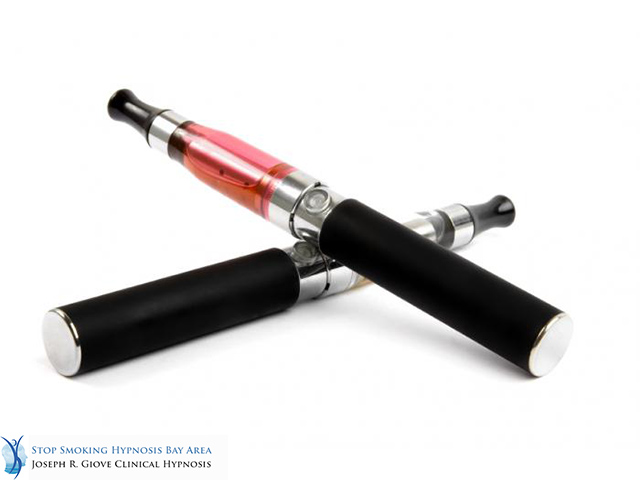
    E-cigarettes are a nicotine delivery system. They heat flavoured nicotine (and many of the other dangerous chemicals found in cigarettes) with a battery operated ignition. Puffing an e-cigarette activates the heating device which then vaporizes the flavored liquid, and the user then inhales. This process is called ‘vaping’, and although it is often touted as a safer alternative to smoking, it nevertheless makes use of the aforementioned chemicals also found in cigarettes.

    Studies from the Harvard School of Public Health found at least one of the most toxic chemicals found in regular cigarettes in over 50 flavors of e-cigarettes. These chemicals are diacetyl, acetoin and 2,3 pentanedione. In a quote from the report, author Joseph Allen says “the amount of diacetyl in 39 of the e-cigs exceeded the amount that was detectable by the laboratory.” This means the amount was too great to even measure, and as such we are unable to determine what effect such an unfathomable amount would have on a person’s health.

    The test results regarding e-cigarettes are only now becoming available to the public, and they are showing us that the risks associated with e-cigarettes are at least equivalent to, and in some cases greater than conventional cigarettes. Big tobacco companies have found a way push these products onto the public with the message that e-cigarettes are a ‘healthier’ alternative, or even an effective way to quit smoking. “Vaping”, which is what smoking an e- cigarette is called, may seem like a healthier alternative to a conventional cigarette, but they contain many of the same chemicals, as well as additional chemicals, often in significantly higher concentrations. One of these chemicals, found in the flavoring component of several e-cigarettes, is formaldehyde, and will therefore not only cause addiction but also severe lung damage.

    Secondhand Smoke and Our Youth

    The damaging health effects of smoking cigarettes by smokers aside, there is significant danger from secondhand smoke, particularly for children. Any time parents, teachers, babysitters, grandparents or anyone else smokes around children or youth, it is a tragedy. Children are not only susceptible to the horrific health risks that come from secondhand smoke, but are also influenced by behaviors of those around them, especially their parents.

    Youth are starting to take up smoking at younger and younger ages, due to peer pressure, advertising on TV, or because they have a parent who smoked. E-cigarettes are being offered in flavors such as cotton candy and fruit squirts, making smoking more appealing to those under the age of 18. Most wish later in life that they had not started smoking, and find it difficult to quit.

    Everyday, more than 1800 youth and adult casual smokers become daily smokers. Many of these people were one of the 3200 people who smoked their first cigarette before they were 18 years of age, or even younger. The addictive characteristics of cigarettes and other tobacco products means that nearly 7 out of 10 adults now want to quit smoking but only about 4 in 10 have made an attempt to quit.

    Smoking Around Children Can Kill Them

    Smoking Causes Many Forms of Cancer

    Smoking cigarettes can cause and exacerbate all forms of cancer. Some of the leading cancers that can come from prolonged smoking are cancer in the lungs, mouth, throat, kidney, liver, stomach and colon. Smoking can also cause acute myeloid leukemia. These are only a few of the disastrous long term cancerous effects of smoking.

    There Are No Safe Ways to Smoke

    Many people think there are safe ways to smoke. There are not. Smoking tobacco and nicotine will always be harmful to your health. Waterpipes, hookahs, pipes, bidis, and kreteks are all different ways of smoking tobacco. These methods use different methods to ingest the smoke by using water or other seemingly ‘natural’ products, but still have the same dangerous and cancerous effects that come with smoking conventional cigarettes.

    Health and Hypnotherapy

    Youth and adults alike are not receiving proper health information regarding the risks and dangerous effects of cigarettes, e-cigarettes and other tobacco products. Problems associated with smoking do not just affect the original smoker, secondhand smoke is passed on to other people, including people’s own children. Surely this is reason enough to make an attempt to quit.

    One of the most effective tools for those wishing to quit smoking is the proven method of Clinical Hypnosis. Certified Hypnotherapist Joseph R. Giove has over 25 years of experience working to help people of all ages leave cigarettes behind for good. His methods are unintrusive, and pose no additional risk factors such as increased carcinogen or chemical intake that come with other quitting smoking methods. Joseph R. Giove Clinical Hypnosis provides the tools to help rewire your brain so you are no longer dependent on cigarettes, allowing you to live a healthier, smoke-free lifestyle that benefits both you and everyone around you.

  • E-Cigarettes – One Million Times More Harmful Than Pollution?

    E-Cigarettes – One Million Times More Harmful Than Pollution?

    According to a recent study by the Hong Kong Baptist University, e-cigarettes are one million times more harmful than breathing Hong Kong’s renowned air pollution. Let’s think about that for a minute. Hong Kong is one of the most densely populated cities in the world with almost 7.2 million people in a city that is a little more than 1,100 square kilometers in size. The city frequently experiences extreme air pollution, and there are even travel advisories issued to tourists due to the severity.

    Now there is a report that the chemicals in e-cigarettes are one million times more harmful to your body than breathing the air in Hong Kong.

    Why Are E-Cigarettes So Popular?

    Hypnotherapist and smoking cessation expert Joseph R. Giove has 25 years of experience helping people quit smoking. He knows that people who are desperate to quit will look for any means necessary, including switching to e-cigarettes, which are often marketed as a safer alternative.

    In this article we will discuss the following topics related to the recent rise in e-cigarette popularity:

    • What are E-Cigarettes? Battery operated cigarettes that heat tobacco and other chemicals into a vapor which is then inhaled.


    • What the Report from the Hong Kong Baptist University Says about E-Cigarettes: One million times more harmful than world renowned Hong Kong air pollution.


    • The Chemicals Involved in Smoking E-Cigarettes, By the Numbers: Many of the same chemicals found in conventional cigarettes can be found in even higher concentrations in e-cigarettes.


    • E-Cigarettes and their Popularity amongst Youth: Young people are being targeted by aggressive e-cigarette marketing techniques.


    • Public Knowledge of E-Cigarette Dangers: E-cigarette research is in its infancy and accurate information is scarce a best.


    • Hypnotherapy and How It Will Help You quit smoking: How hypnotherapy and Joseph R Giove can help you quit e-cigarettes.

    What are E-Cigarettes?

    The ‘E’ in e-cigarettes stands for ‘Electronic’, and they are battery operated heating devices that deliver flavored nicotine and other chemicals to the smoker using vapor instead of smoke. In most e-cigarettes, puffing activates the heating device, thereby releasing the vaporized, flavored liquid. This process is called ‘vaping’.

    It is the chemicals that are added to the e-cigarettes that are now being studied, and there are some surprising findings. e-cigarettes have only been on the market for a short time, and as such, not much is known about their long term effects. There have been many conflicting reports about e-cigarettes, but as more studies are done it seems the health risks are significant and troublesome.

    What the Report from the Hong Kong Baptist University Says about E-Cigarettes

    The recent report from the Hong Kong Baptist University states that e-cigarettes are significantly more dangerous to your health than had been previously thought. More and more tests are being conducted to examine the health risks of using e-cigarettes, which are often marketed as a way to quit smoking conventional cigarettes.

    These studies have been yielding some troubling results. There is a significant amount of polycyclic aromatic hydrocarbons, or PAH’s, in the most common e-cigarettes. PAH’s are a byproduct of burning petroleum, which can be detected in the air alongside streets and highways and are measured as a way to determine a city’s pollution level. An assistant professor of biology at the Hong Kong Baptist University was quoted saying to the South China Morning Post: “(The Level of PAH’s) in e-cigarettes is at least one million times more than roadside air in Hong Kong.”

    The Chemicals Involved in E-Cigarettes: By the Numbers

    The health effects of e-cigarettes are only just now being studied, and because of their relative newness, their long term effects cannot be accurately projected. However, the studies that have been done are producing some alarming results. While “vaping” appears to make the smoke less concentrated, it is still full of nicotine and carcinogens.

    A recent study by the Hong Kong Council on Smoking and Health analyzed 13 different types of e-cigarettes and found an array of dangerous chemicals:

    • Levels of PAH’s ranging from 2.9 to 504.5 nanograms per milliliter
    • Benzo(a)pyrene, a carcinogenic substance found in PAH’s, which, among other things, is a promoter of cancer cells.
    • A chemical called polybrominated diphenyl ethers, or PBDE’s, which is a flame retardant.

    The addition of flame retardants to E-cigarettes is because they use heat to produce the vapor, and therefore need a flame retardant to keep them from catching fire or even exploding. PBDE’s are more commonly used in furniture and electronics for the purpose of inhibiting fire, and were detected in e-cigarettes in the range of 1.7 to 1,490 nanograms per milliliter.

    For comparison, conventional cigarettes were in the range of 5.6 to 6.3 nanograms per milliliter of PAH’s. This means that some brands of e-cigarettes have 250 times more of this chemical, which promotes toxicity of the reproductive system and disrupts the thyroid hormone, than conventional cigarettes.

    E-Cigarettes and their Popularity Amongst Youth

    One of the main attractions of e-cigarettes is that the consumer can choose one or even a combination of flavors. Some of these flavors include: Lazy Hammock, Afternoon Delight, Third Base and White Gold. If you have ever gone to a bakery or a cocktail bar you can imagine the amount of flavors there are to choose from. Because of the near endless combination of flavors with fun names, e-cigarette companies are able to market to much younger potential consumers than conventional cigarettes. Youth are able to choose from flavors such as: Cupcake, Cotton Candy and Fruit Squirts.

    Here we can see clearly that the big tobacco companies are targeting a youthful audience, possibly even younger than 18 years of age. The University of Hong Kong found that smokers aged 15-29 used e-cigarettes nearly 8{cb12661b2b7fd86e618703ac3a1bf5df9897d897450d7668a57e7745cc225577} of the time, which is significantly higher than users of any other age group.

    Public Knowledge of E-Cigarette Dangers

    In the same University of Hong Kong study, they found that 68{cb12661b2b7fd86e618703ac3a1bf5df9897d897450d7668a57e7745cc225577} of people surveyed in a six month study had absolutely no knowledge regarding the chemicals they were inhaling into their bodies. More research about the long term effects of e-cigarettes needs to be conducted, and more government regulations need to be enforced.

    So far 16 countries have banned the sale, advertising, distribution, import and manufacturing of e-cigarettes. Studies from the Harvard School of Public Health are now finding that e-cigarettes and their flavoring are causing severe respiratory diseases due to the harmful chemical diacetyl, which is found in 3 quarters of all e-cigarettes. Diacetyl is a flavoring chemical used in e-cigarettes and their refill cartridges whose purpose is to appeal to a broader audience by enhancing flavor.

    The fact of the matter is that e-cigarettes are still very new, and not enough is known about long or even short term health risks. Nevertheless, they are extremely popular, especially among youth despite their potential dangers.

    Hypnotherapy and How It Will Help You quit smoking

    There are many options on the market aimed at helping people quit smoking, but it has not yet been proven that e-cigarettes are a viable alternative to smoking, or that they provide any help for those wishing to quit.

    There are both psychological and pharmaceutical methods available to aid in this endeavor, but so far the method with the least side effects and highest efficacy is clinical hypnotherapy. Joseph R. Giove has been successfully practicing hypnotherapy for over 25 years, and knows that its power can help you quit smoking forever. It’s time to live a healthy, smoke-free life, and e-cigarettes are certainly not the way to accomplish this.

Call Now Button