Category: Nicotine

The nicotine in cigarettes is very addictive, and it’s hard to break the habit. Find support with hypnotherapy when you call Joseph Giove at 925-215-4017.

  • How Bad is Nicotine For You?

    How Bad is Nicotine For You?

    Smoking cigarettes is extremely dangerous to your health. More specifically, nicotine in general is bad for your health. Nicotine is found in all tobacco products including chewing tobacco, pipe smoking, and even nicotine replacement therapies such as patches and gums.

    Nicotine use will affect almost every part of the body, especially the heart, lungs, and brain. There are some (very few) scientifically proven positive effects of nicotine, but the consequences of prolonged use are not worth the cost.

    This article will discuss what nicotine is, how addictive it is, the possible health issues from long term use, the use in treating mental illness, other additives in cigarettes, and how Clinical Hypnosis and Hypnotherapy can help you quit smoking.

    What is Nicotine

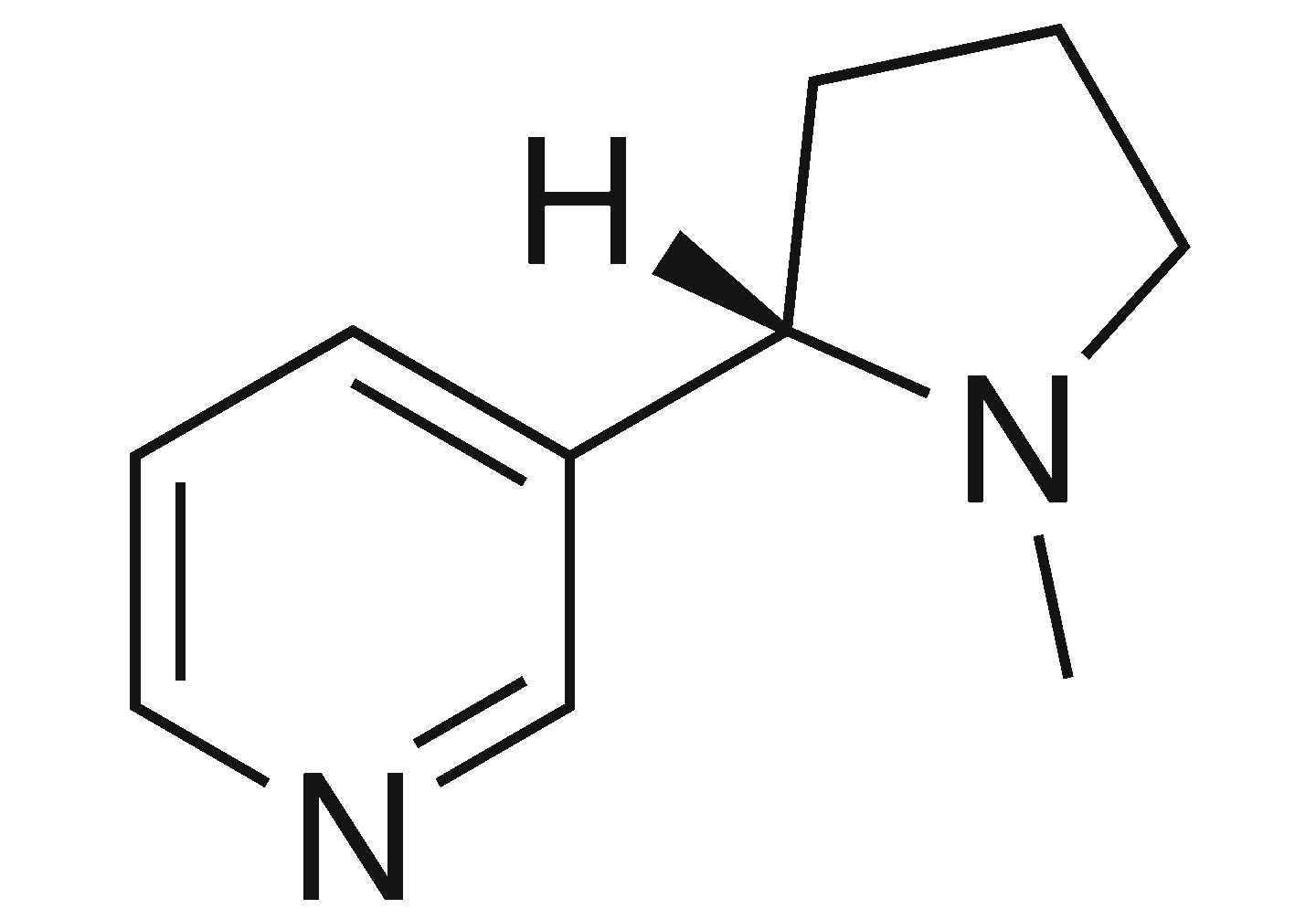
    Nicotine is defined as “a toxic colorless or yellowish oily liquid which is the chief active constituent of tobacco.” Nicotine is an alkaloid that is found in certain plants such as tobacco and is synthesized in the roots and leaves of the plant. It makes up to 3 {cb12661b2b7fd86e618703ac3a1bf5df9897d897450d7668a57e7745cc225577} of the dry weight of the tobacco plant. When tobacco is smoked, nicotine is absorbed through the lining of small air sacs in the lungs and when used in chewing tobacco, it is absorbed through the mucus membranes in the mouth. After it is absorbed it is then free to circulate to the entire body through the bloodstream. This is why nicotine can cause problems for just about any part of the body.

    How Addictive is Nicotine

    Nicotine is so addictive it has been compared to being addicted to heroin or cocaine. The American Heart Association has said it is one of the hardest addictions to break. So what is the science behind the addictiveness of nicotine?

    After nicotine is absorbed into the body it crosses the blood-brain barrier and enters into the brain. Once there, it binds to specific cholinergic receptors, which are activated by a neurotransmitter. These neurotransmitters normally maintain healthy actions by the body, such keeping the heart beating at a constant rate. Nicotine has a similar chemical make-up to these neurotransmitters, so it can activate these cholinergic receptors, but instead of the brain sending normal signals to the body, it sends out disruptive ones. After a period of smoking, the number of receptors in the brain increase in addition to developing a tolerance to the nicotine. This means that in order for a person to have normal brain function, they must continue to feed those receptors the nicotine they expect. When the nicotine level falls, the brain doesn’t function properly and people will begin to experience withdrawal symptoms. This means they need more nicotine to keep functioning. It also means they will have another cigarette. And then another. As you can see, this can end up being an endless cycle in order for a person to avoid the unpleasantries that come along with withdrawal symptoms.

    Health Issues From Long Term Use

    Nicotine is the active ingredient in tobacco and tobacco is the main ingredient in cigarettes, therefore the nicotine in cigarettes makes you crave more. Prolonged use of nicotine in cigarettes can cause serious health issues. Some of those issues are:

    • Increased heart rate and blood pressure
    • Eye degradation
    • Bone weakness
    • Dizziness
    • Fertility problems
    • Respiratory problems
    • Cancers
    • Death

    Smoking cigarettes will greatly reduce your life expectancy and increase your chances of getting cancer or other dangerous diseases.

    Treating Mental Illness With Nicotine

    While there are many negative side effects to prolonged nicotine use, there are a few positive uses for nicotine. One of those uses is for helping people with mental illnesses. Most mental illnesses involve schizophrenia, psychosis, or some other type of disorder that causes them to be agitated most of the time.

    Nicotine, as well as being a stimulant for the brain, is also a relaxant. Nicotine releases many chemicals into the brain, two of which are dopamine and serotonin which act as relaxants and affect the brain’s reward center. Some mentally ill patients find themselves calm, relaxed, and focused after smoking.

    Some patients that have alzheimer’s or schizophrenia self-medicate with cigarettes because they find that their minds are more focused. Nicotine has an interesting double effect with mentally ill patients. For someone who is agitated, it calms them. For someone who isn’t agitated, it increases awareness. These patients have debilitating diseases but smoking seems to alleviate some of their pain.

    A Mental Patient Smoking Nicotine

    Other Additives in Cigarettes

    There are over 4000 chemicals in cigarettes. They are all harmful to the body and most have long scientific names. For the sake of brevity, here are some of the more dangerous additives in cigarettes:

    • Cadmium – found in batteries
    • Stearic acid – candle wax
    • Butane – lighter fluid
    • Ammonia – cleaning fluids
    • Methanol – fuel
    • Arsenic – poison
    • Methane – sewer gas
    • Carbon Monoxide – car exhaust

    Clinical Hypnosis and Hypnotherapy

    How bad is nicotine for you? It is very bad. It is one of the most addictive substances on the planet. It alters your brain and body chemistry to make you want more and more all the time. Nicotine is so bad for you that it was used as an insecticide in the past.

    While some mentally ill patients find temporary solace in smoking a cigarette, smoking is still very dangerous to anyone’s health. Quitting smoking is the best way to avoid all the dangerous side effects that accompany prolonged nicotine use and Clinical Hypnosis and Hypnotherapy can help.

    Joseph R. Giove has over 30 years of experience helping people quit smoking using Clinical Hypnosis and Hypnotherapy. He is a certified Clinical Hypnotist who uses no chemicals or carcinogens, such as nicotine replacement therapies do, to help you quit smoking. Gently altering the brain patterns of a smoker helps them no longer crave cigarettes and nicotine. Giving up nicotine and smoking will allow you to live a longer and healthier life and Clinical Hypnosis and Hypnotherapy can help!

  • Where Does Nicotine Come From?

    Where Does Nicotine Come From?

    In today’s world, with health news and research being presented regularly and a newfound focus among most in the country towards healthier lifestyles, it’s no surprise that most of us are fully aware of how dangerous smoking can be. After all, studies constantly find that things like heart disease, cancer, and respiratory diseases are all linked directly to the use of cigarettes – there are more than 4,000 toxic chemicals in every puff you take.

    Among the various chemicals and compounds found in cigarettes is one that most are vaguely aware of – nicotine. But at Joseph R. Giove Clinical Hypnosis, I’ve noticed that nicotine itself is somewhat misunderstood. How it works, what its role in a smoker’s life is, and where it comes from are all things that aren’t often completely known by smokers. That’s something worth changing.

    What Is It?

    First, we need to understand the basics of nicotine in cigarettes and smokers. Nicotine is a type of compound that is now classified as a drug due to the impact it has on the brain’s natural chemistry. When it is smoked, the lungs absorb it through their mucus membranes and it passes through the bloodstream and into the brain within about seven seconds. Once in the brain it triggers the release of a variety of compounds such as dopamine that relax the user and elicit feelings of calm.

    It’s also incredibly addictive, having the same addictive qualities as drugs like heroin and cocaine. As such, smokers become dependent on the drug quickly.

    Where Does It Come From?

    Nicotine is actually a naturally occurring compound that is found within tobacco and within other plants within the nightshade family. It’s a type of alkaloid, which is a chemical containing nitrogen. While it generally occurs naturally in tobacco plants, some nicotine is artificially produced for certain uses.

    Today’s tobacco plants have been bred and genetically modified to produce higher levels of nicotine, primarily to help increase the addictive nature of the cigarettes. In certain products the nicotine will be artificial, such as electronic cigarettes and nicotine patches.

    While nicotine is commonly thought of as the primary component of tobacco, it’s important to remember that it’s also one of the most dangerous and deadly natural poisons found in the world. In fact, for years it was used widely as a type of insecticide due to the fact that it is an antiherbivore chemical – a compound that kills plant-eating insects. This natural defense mechanism is also a key part of why nicotine is so dangerous.

    The idea of nicotine being a natural ingredient can seem silly, but it’s very true – the key is to remember that natural doesn’t always mean ‘healthy’ and in this case it’s the exact opposite. Found naturally in the plant, nicotine is still very toxic and highly dangerous, not only because of its addictive nature.

    Where Do Nicotine Addicts Get Their Nicotine?

    It’s worth looking at the other side of the question of where does nicotine come from, too. You now know where the substance is originally found, but extending that question means understanding where it’s found in the retail world. In other words, where someone who is a nicotine user gets their nicotine ‘fix’ from. There are three primary sources of nicotine today:

    • Tobacco Products – The obvious answer is tobacco, in particular smoking. The mucus membranes of the lungs are very delicate and absorb nicotine quickly. A smoker will absorb plenty of the drug with each puff of a cigarette. Smokeless tobacco is absorbed through the mucus membranes of the mouth, where it is absorbed and enters the blood stream in a similar manner.
    • Smoking Cessation Aids – Things like stop-smoking gums and nicotine patches contain nicotine as well. These aids are designed to help smokers put down the cigarettes, but the fact is that users are still exposed to nicotine and the various risks associated with it. There are numerous health risks associated directly with nicotine use, and as such it’s important to understand that despite the fact that you may not be smoking, you’re still impacting your health.
    • Electronic Cigarettes – These are becoming incredibly popular due to the promise that they’re safer than smoking cigarettes. E-cigs, vape units, or whatever else you want to call them certainly do have fewer cancer causing chemicals in them, but the studies are finding that they aren’t entirely safe. And since you’re still ingesting nicotine, you’re still experiencing the negative health effects that can come with it.

    Nicotine Is Powerfully Addictive

    The Dangers Of Nicotine

    Now you know where nicotine comes from and where nicotine addicts obtain it. But what about the dangers? It’s true that the evidence currently doesn’t support the claims that nicotine can directly cause cancer like the other chemicals in cigarette smoke, but nicotine can have its own risks. These potential dangers range in severity from mild to severe and involve virtually every system within the body. Some examples of the health risks of nicotine include the following.

    • Nicotine narrows the arteries. This can lead to increased blood pressure and cardiovascular damage as well as reduced blood flow moving to various parts of the body.
    • It can lead to several gastrointestinal problems ranging from diarrhea to heartburn to nausea to ulcers.
    • Hormonal functions can be changed as well. In particular, insulin production is increased as is the body’s resistance to it.
    • Numerous heart related problems are linked to nicotine including blood pressure, irregular heartbeats, and more.
    • Dizziness, irritability, headaches, and other similar problems can occur as a result of using nicotine and as a result of stopping the use of it when addicted to it.
    • Pregnant women who ingest nicotine place their children at risk of numerous problems including obesity, diabetes, respiratory problems, and more.

    Simply put, nicotine is still a very dangerous drug that is as difficult to quit as heroin. As such, it’s important to take the right steps to stopping its use entirely. There are plenty of options for doing so, but just be sure that you understand that stopping smoking with nicotine-based aids isn’t reducing all of your health risks.

  • Nicotine Health Effects

    Nicotine Health Effects

    When you talk to most people about serious health risks, it’s almost a guarantee that smoking will be brought up. After all, stopping smoking is one of the single most important things one can do to reduce their risk of cancer and heart disease and start to feel better physically as a whole.

    But at Joseph R. Giove Clinical Hypnosis, I’ve noticed that a number of people don’t fully understand just what it is about smoking that keeps them coming back or what damages their health. While things like the tar and the various carcinogens within a cigarette are understood, the various health effects of nicotine aren’t as widely talked about.

    This is especially problematic since many people switch from smoking cigarettes to using electronic cigarettes or even nicotine gum or patches. They’re still getting their nicotine, but through method that doesn’t come with the tar and the more than 4,000 toxic chemicals found in cigarette smoke.

    However, what they don’t realize is that nicotine itself has a variety of impacts on the human body and its overall health and wellbeing. In other words, using any kind of nicotine product is something you should stop doing. Otherwise you’ll be putting yourself at risk for a variety of health issues.

    What Is Nicotine?

    First, it’s worth understanding the basics of what nicotine itself actually is. There are a few basic points that can help explain this to you clearly.

    • Nicotine is a type of compound known as a parasympathomimetic alkaloid.
    • It’s found in the leaves of the nightshade family of plants and heavily in tobacco plants.
    • It makes up between 0.6 and 3{cb12661b2b7fd86e618703ac3a1bf5df9897d897450d7668a57e7745cc225577} of the total dry weight of tobacco.

    In short, it’s a chemical compound found in plants. But beyond that, nicotine is a drug – just like the many illegal drugs available throughout the country. It acts as a stimulant, and also triggers various psychoactive effects on the user. This includes feelings of relaxation, appetite reduction, and mood elevation. It works as a stimulant and a relaxant and as such is a bit different from many other drugs out there.

    The Many Health Effects

    Now it’s time to get into the health effects of nicotine. When a cigarette is smoked, the nicotine is absorbed by the lungs and enters the blood, reaching the brain in about seven seconds in most cases. This triggers the release of a variety of different chemicals like dopamine and serotonin, which brings the calming effect with it. But that nicotine-rich blood is now moving throughout the body and can have a wide range of impacts on it. The various health effects of nicotine include the following.

    • A serious increase in blood pressure and heart rate, which can trigger angina and other heart related issues. This is especially true in patients already suffering from some form of heart related illness.
    • An increase in the chance of developing cardiovascular disease has been linked to nicotine use as well. This applies to nicotine no matter how it is used to enter the body, from patches to smoking and beyond.
    • Nicotine can trigger a variety of different gastrointestinal problems. This includes nausea, diarrhea, and peptic ulcers.
    • It also leads to dry mouth and heartburn.
    • Nicotine has been linked to headaches, dizziness, and abnormal sleeping patterns.
    • The impact of nicotine on the circulatory system is especially profound, and it has been linked to an increase in the chance of clots, an enlarged aorta, damaged vessels, and more.

    It’s true that currently there are only mild links between cancer and nicotine itself, though researchers disagree as to whether or not the use of nicotine will lead to cancer. Some studies have shown that it can occur, and that tumor growth is increased directly by nicotine. In other words, the risk of cancer from nicotine is something worth paying attention to – just because you’re not smoking doesn’t mean you’re not placing yourself at an added risk.

    Stop Smoking For Your Baby

    Pregnant Women, Fetuses, And Nicotine

    Pregnant women in particular need to avoid the use of nicotine. No matter how the chemical enters the body, it will find its way into the bloodstream and will then be passed to the unborn child. This has been connected to numerous health issues including:

    • Reduced brain development
    • Hypoxia – an issue where the fetus isn’t properly nourished
    • Reduced strength and performance of blood vessels leading to the child
    • Altered brain development
    • Abnormalities in muscle tone
    • Increased chance of facial clefts

    Nicotine is also present in breast milk of nursing mothers who smoke, highlighting yet another way that babies could be exposed to this drug.

    Nicotine Addiction

    Of course, we can’t talk about nicotine and your health without talking about the key reason that smoking is so hard to stop for millions – addiction. Nicotine is the substance within cigarettes that users become addicted to, due to the impact it has on the brain’s natural chemistry.

    By triggering the release of pleasure causing compounds within the brain, nicotine quickly develops into a chemical that users are addicted to. Some studies have suggested that it’s even more addictive than cocaine, and while it doesn’t have the same level of health effects that cocaine use will bring with it, the prevalence of nicotine use means that it’s just as large of a problem for society.

    Due to the highly addictive nature of the drug, users have a difficult time stopping its use and instead often stop smoking by using patches or e-cigarettes. However, this still doesn’t remove the health risks associated with nicotine itself. As a result, it’s important to find a way to completely stop using nicotine.

    Hypnosis can help. It’s a proven technique that has helped thousands in the Bay area put down the cigarettes and e-cigs, step away from the patches and gum, and live a completely nicotine-free life. Complete cessation is the only way to avoid the many health effects that nicotine can have on one’s life, and as such it’s well worth looking into all of your options for doing just that – including hypnosis.

  • The Nicotine Connection

    The Nicotine Connection

    Contrary to popular belief, nicotine is not a relaxant. It is a stimulant that actually makes the heart beat faster. It is also a poisonous alkaloid–so poisonous that a tiny part of a gram of nicotine will drop an elephant. Some people still use nicotine to kill animals.

    There are over 4,000 chemicals produced in the combustion of tobacco, and the chemical that gives you that “relaxed” feeling, is carbon monoxide–the stuff that pours out of motor vehicles. It over powers oxygen and deprives the blood cells and the brain of oxygen. Thus, smokers have slower mental reactions than non-smokers. The worst part is that oxygen and carbon monoxide together contribute to a hardening of the arteries, the underlying cause of heart attacks, strokes, and senility. Smokers also inhale hydrogen cyanide, arsenic, formaldehyde and tar, among others.

    Most programs fail because they cannot effectively deal with the patient’s belief that he or she is addicted to nicotine. The tremendous value of hypnosis is found in this respect. The power of hypnosis comes when the subconscious mind is redirected so that it no longer responds to the body’s signals for nicotine. When this is accomplished, problems related to the cessation of smoking are avoided.

    (more…)

Call Now Button