Blog

  • How to Get Someone to Quit Smoking

    How to Get Someone to Quit Smoking

    Smoking cigarettes is extremely addictive and hazardous to the health of not only the smoker, but to the people around them as well. The addictiveness of cigarettes can be compared to being addicted to heroin, so getting someone to quit is not going to be an easy task.

    There are several ways to try to get someone to quit smoking, all will take patience and understanding and most will likely take more than one try to be successful. This article will discuss several methods of trying to convince someone to quit smoking, including behavioral therapy, intervention, the response to the intervention, a quit plan and social factors such as public smoking restrictions.

    Cognitive Behavior Therapy

    Cognitive Behavior Therapy, or CBT, is a psychotherapy technique that focuses on negative thoughts and emotions towards smoking and developing new ways to think about them. For example; when someone says “I need a cigarette,” the habit can be altered to “I need some gum.”

    Some of the more negative thoughts that people have when trying to quit are related to the anxiety of relapse. CBT teaches the smoker to think of a relapse as a good first try on the way to the next attempt. This strategy basically takes the negative feelings about failing (relapse) and turns them into a positive.
    There are other techniques that use CBT in order to help change the ways that smoking is perceived in the mind.
    Some of these are:

    • Education – Being educated on the dangers of smoking and all of the methods available to quit can help the person realize their different options and how necessary quitting is.
    • Using a Diary – This action will allow people to remember when, where, or with whom they felt like having a cigarette and then avoid those situations in the future. The same can be done when they felt good and did not want a cigarette so those situations can be repeated.
    • Environments – Realizing the certain places and times when a cigarette is wanted can be helpful in avoiding them in the future.
    • Social Situations – By having friends and family that smoke, it makes it harder to quit. Being surrounded by nonsmokers in nonsmoking places greatly reduces the chances of a relapse
    • Exercise – Exercising can take the focus off of quitting smoking. Changing exercise into a positive will keep the mind busy and also helps cleanse the body of nicotine

    Keeping a positive attitude on the journey of quitting smoking is an integral part to leading a smokefree life permanently.

    Intervention

    Intervention involves “one on one” interview type sessions with a doctor or nurse. They will discuss the reasons for the person smoking, benefits of quitting, effects on friends and family, and other factors related to smoking cessation. This method is similar to CBT in that the smoker has the same options but can consult with a qualified medical professional. The doctor will make a series of decisions for the smoker based on how they are responding to group therapy, individual therapy, or starting Nicotine Replacement Therapies (NRT’s). A doctor can also prescribe medication if they see fit. The doctor will judge the best method to be used for each individual smoker based on their unique needs.

    Response to Intervention

    The response to intervention will depend on each individual. What happens after the intervention is up to the smoker. The individual must choose to follow the doctor’s instructions or risk relapse.

    The doctor will take every step to ensure that the individual will remain smoke-free. Some of these steps include:

    • Does the smoker want to quit? – The answer must be yes in order to proceed with a medical doctor’s consultation
    • Start with an intensive support program – Group or individual counselling sessions
    • Does the smoker want pharmacological assistance? – If no, continue with counseling. If yes, they can start on NRT treatments such as patches or gums
    • Are they remaining smoke-free? – If yes, periodical reviews with the doctor. If no, offer pharmaceutical options

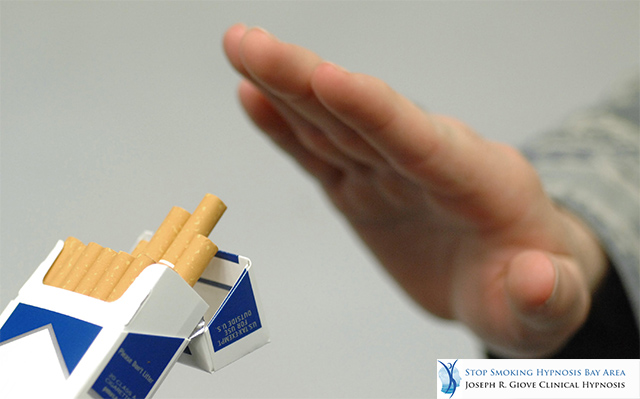
    Get Your Loved Ones to Stop Smoking

    Creating a Quit Plan

    For smokers who know they want to quit but are scared or just not sure how, creating a quit plan is a very useful tool to assist in quitting smoking. Some of the items that should be on a quit smoking plan include:

    • Quit Date – Setting a quit date is the first step in a quitting plan.
    • Cognitive Behaviour Therapy – Using CBT to change everyday habits of the smoker is an essential start to quitting smoking.
    • Support – Making a list or plan of people who will be supportive is also a great way to keep the individual focused on the end goal of being smoke-free for life.
    • Professional Help – Keeping an open mind about using a professional, such as Clinical Hypnosis and Hypnotherapy, should also be in the plan.
    • NRT – Using Nicotine Replacement Therapy is a very common way to quit smoking. NRT’s such as patches and gums gradually reduce the nicotine level ingested into the body with the hope that eventually none will be needed.

    Public Smoking Restrictions

    With all of the restrictions now in place on smoking in public places (bars, restaurants, casinos, and most public areas) there is no better time to convince people to quit smoking. Not being able to join in certain social situations or having to go outside several meters away from any door for a smoke break and miss out on conversation, is a motivation to smoking that can be used to get someone to quit.

    The same goes for the workplace. Productivity goes down if the employees have to go down 16 floors and stand outside for 10 minutes every 2 hours. Any or all of these factors can be used as an influence to help someone decide to quit smoking.

    Clinical Hypnosis and Hypnotherapy

    Getting someone to quit smoking can be an arduous task. Someone who has smoked cigarettes for some time will most likely be highly addicted to them and will have a hard time letting go of this dangerous habit. Using the techniques in this article, there will be a higher chance of getting someone to quit smoking.
    If that person does decide to quit smoking, Clinical Hypnosis and Hypnotherapy is one of the most effective ways to do it.

    Joseph R. Giove is a certified Clinical Hypnotist with over 30 years of experience in his field. He uses no chemicals or carcinogens to help quit smoking, only the power of the mind. By gently altering brain patterns, the individual will no longer crave cigarettes and may even come to despise them. After convincing someone to quit smoking, advise them that Clinical Hypnosis and Hypnotherapy is one of the safest and best options for a smoke-free life.

  • How Long Does It Take to Quit Smoking

    How Long Does It Take to Quit Smoking

    There are many factors in determining how long it takes for a person to quit smoking. The actual quitting part takes no time at all: simply, stop smoking cigarettes. The hard part is to not start smoking again. Many people fail at their first attempt at quitting, and some people never actually manage to. This being said, there is a general guideline to how long these withdrawal symptoms will last, and as long as you can get through this initial timeframe quitting will become much easier.
    In this article we will discuss this timeline as well as quitting cold turkey and the ways to fight anxiety and cravings that come with quitting smoking.

    Quitting Cold Turkey

    Quitting cold turkey simply means setting a date where a person will have their last cigarette and then sticking to that plan, hopefully forever. This method is one of the most popular quitting methods and of the people who do end up quitting for life, 80{cb12661b2b7fd86e618703ac3a1bf5df9897d897450d7668a57e7745cc225577} used the cold turkey method. Despite this success rate, this method also carries with it the burden of having to experience all of the nicotine withdrawal symptoms upfront, the timeline of which we will discuss in detail later on.

    These withdrawal symptoms can include:

    • Anxiety
    • Cravings
    • Fatigue
    • Hunger
    • Irritability
    • Trouble with sleep
    • Depression
    • Inability to concentrate
    • Hunger

    The cold turkey method may be effective to some degree but it does have drawbacks. These withdrawal symptoms can be mild for a lucky few, but most describe them as somewhere from unpleasant to unbearable.

    Ways to Fight Anxiety

    Anxiety is one of the first symptoms experienced after someone quits smoking. The overwhelming feeling that they might never smoke again can seem like a frightening prospect. They may feel like they will relapse and be a failure to those around them, or that quitting is such a daunting task they may as well give up now. Most people are too hard on themselves and the anxiety that comes with quitting smoking does not help matters. Anxiety causes stress and stress is one of the reasons people often revert back to smoking.

    Here are some ways to combat these stressful feelings:

    • Signs of Stress – Recognizing certain signs of stress such as headaches, sleeplessness, depression, and anger is key so that people can react accordingly to help combat such feelings
    • Enjoyment – Doing things a person enjoys can greatly reduce anxiety
    • Physical Activity – When many people, not just smokers trying to quit, feel anxiety and stress they do physical activity to relieve it
    • Relaxation Techniques – Yoga, deep breathing, and meditation are ways people can teach themselves to learn to relax more in times of stress
    • Caffeine – Reducing a person’s caffeine intake is a good way to reduce anxiety
    • Life Problems – Resolving short-term problems before quitting can be beneficial so there will be one less thing to worry about when quitting. After quitting, not worrying about long-term problems for the time being will also help

    Using these techniques can help combat one of the first and most powerful symptoms of nicotine withdrawals; anxiety. If a person gives themselves a break, realizes that the road is going to be tough, and uses some of these techniques they will have a better chance of quitting.

    How to Fight Cigarette Cravings

    Another of the most common symptoms of nicotine withdrawal are cravings. A person’s brain gets used to the nicotine and other chemicals it absorbs from years of smoking cigarettes. When these chemicals are cut off, the brain goes into withdrawals. One of strongest withdrawal symptoms is nicotine cravings.
    Many people revert back to smoking because the nicotine cravings are too much to handle. There are many ways to fight these cravings, and they typically only last 5-10 minutes, so here are some tips to get through that time:

    • Support – Having a support system is very helpful to managing cravings. A friend or family member, a help line, a counsellor, or even an app can be the difference between a cigarette and another smoke-free day
    • Environment – Ensuring that the first 2-4 weeks of quitting are spent in as many smoke-free places as possible will help keep the mind off of wanting a cigarette
    • Keep Your Mouth and Hands Busy – Chewing gum or lozenges will keep the mouth busy, while knitting, physical activity, or even puzzles can keep the hands busy.
    • Use NRT’s – Nicotine Replacement Therapies such as patches, gums, or pharmaceutical aids can help subdue the cravings gradually

    How to Fight Cravings when you Quite Cigarettes

    Quitting Timeline

    While the exact timeline will obviously be different for each individual, there is a general guideline for what happens to the body and mind when a person has their last cigarette.

    Here is a timeline for how long it takes to quit smoking:

    • 20 minutes – Blood pressure and heart rate return to normal levels
    • 12 hours – Blood oxygen and carbon monoxide levels return to normal
    • 24 hours – Anxiety levels are at their peak
    • 48 hours – Nerve endings have regrown and sense of smell and taste have returned
    • 72 hours – Withdrawal symptoms and cravings have peaked because the body is now nicotine free. Lungs are healing and breathing is easier
    • 5-10 days – The time that cravings last reduces from 5 minutes to 3 and the regularity of cravings also decrease
    • 2-4 weeks – Most, if not all, withdrawal symptoms have ceased and lung and heart function will return to that of a non-smoker

    For all intents and purposes, it takes the average person 2-4 weeks to get rid of the nicotine that has built up in the body and to no longer experience nicotine withdrawal symptoms. After this period the risk of coronary disease, lung cancer, heart attack, and stroke all will return to normal.

    Clinical Hypnosis and Hypnotherapy

    The length of time to quit smoking does vary with each person, but that is a secondary factor compared to the initial, life-changing decision to quit smoking. There are many methods to quitting smoking including Nicotine Replacement Therapies such as gums and patches, the cold turkey method, and even medical treatments. These all have about the same percentage of effectiveness and can often involve significant nicotine withdrawal symptoms. Clinical Hypnosis and Hypnotherapy is an option that uses no chemicals or carcinogens, and also helps with the relaxation of the mind and body when experiencing nicotine withdrawal symptoms.

    Joseph R Giove is a certified Clinical Hypnotist with over 30 years of experience at his clinic practising Clinical Hypnosis and Hypnotherapy. His techniques involve gently altering the brain patterns in order to make cigarettes unwanted and eventually disliked.

  • Dangerous Things People Smoke Weed Out Of

    Dangerous Things People Smoke Weed Out Of

    Smoking weed is becoming more and more popular, not just with youth but with people of all ages. Weed, or marijuana, is also on the verge of becoming legal in much of the United States, as well as other countries.

    That being said, the long term health effects of smoking weed have not been fully studied as most people who smoke weed either lie about it or greatly understate how much they smoke. This is because marijuana is still a schedule 1 narcotic in most places, alongside heroin and acid, and many states still have fairly harsh penalties for marijuana possession.

    This article will discuss marijuana risks, the dangerous paraphernalia that can be used to ingest weed, the effects of smoking weed everyday, and how long weed stays in your system.

    The Risks of Smoking Marijuana

    There are health risks to ingesting smoke of any kind, and weed is no different. The tar that is ingested when the resin in weed is smoked has the potential to build up in the lungs. This tar is similar to the tar produced by cigarettes.

    While the tar produced from weed smoke is less than that of cigarettes, there is still a risk that the same kinds of nicotine cancers could develop. Long term health effects studies are currently ongoing and becoming more accurate as marijuana gradually becomes legalized and more prevalent in our society.

    Personal safety and well being is also something to consider when smoking weed because it is still illegal in most of North America and many other countries around the world. Procuring weed could prove to be risky as ‘dealers’ can be shady individuals and could potentially be carrying weapons.

    Transactions to buy weed can be dangerous

    Additionally, different States have different laws affecting those who get caught with weed. Some might have no charges for a small amount, while others may have incredibly strict laws with mandatory jail time.

    Some people choose to combine tobacco with weed and smoke it that way. This is obviously dangerous to your health and lungs because of the many risks associated with tobacco and nicotine use.

    Dangerous Paraphernalia Used for Smoking Weed

    Weed can be smoked or ingested in a variety of ways. Some of these methods are more dangerous than others. While there is no scientifically proven “safe” way to smoke weed, there are some that are more hazardous than others.

    Marijuana can be smoked in a rolled cigarette-type paper, called a joint, which is obviously the most common, but also through constructed “bongs,” “spots,” and “hash oils.”

    Smoking weed in a joint form is one of the safer ways, however there is the risk of a lit joint falling onto a bed or couch and causing a fire. This is also common in instances where people fall asleep while smoking cigarettes in bed, and the same danger applies with weed.

    Smoking weed through a bong is another common form that has become more popular over the years. There is a perception that it is “cleaner” than smoking a joint, mainly because of the smoking of paper and that joints looks like a cigarette. However, smoking through a constructed bong can be dangerous depending on what it is constructed of. One form a bong is the use of a sideways tin can whereby holes are poked through the side and the weed is smoked through the mouth of the can. This means that there are potentially harmful chemicals being ingested from the burning of metal.

    “Spots,” “dabs,” “knives,” and “hot knives” are all synonyms for a way of smoking weed by rolling small amounts of resin-rich weed and placing them between two hot knives. The smoke that then comes from the ‘spot’ is inhaled by the user.

    Another way to smoke “spots” is by using a pipe, either glass or plastic, and heating it with a blowtorch to produce the smoke. The dangers of using a blowtorch indoors aside, the ultra hot smoke is much more harmful to the lungs. Putting ice in the bottom of the pipe cools the smoke but still has the inherent dangers.

    There is also the danger of smoking through a plastic pipe which could melt and then the chemicals in the plastic would be inhaled. This method has been referred to as the ‘smoking crack method’ of smoking weed.

    The Effects of Smoking Weed Everyday

    Smoking weed everyday is dangerous to your health. As stated, smoking weed produces a tar that can build up in the lungs similar to smoking cigarettes and prolonged, steady use will only increase health risks in the lungs. Other factors of heavy weed use include:

    • Shallow Breathing
    • Increased Appetite
    • Dizziness
    • Dry mouth
    • Red eyes
    • Dilated Pupils
    • Lower Testosterone Levels

    How Long Does Weed Stay In Your System

    Unfortunately there is no exact scientific way to determine how long weed, or more specifically THC, will stay in your system. THC is the active ingredient in marijuana that gives the user a “high.” Other factors depend on how long you’ve been smoking weed, the amount of times per week, the amount smoked per day, as well as the body type and its metabolism. Below is an approximation of how long weed can be medically detected in the body’s urine:

    • Occasional Users – 4 – 8 days
    • Frequent Users – 10 – 25 days
    • Daily Users – Up to 63 days

    Clinical Hypnosis and Hypnotherapy

    The effects of smoking marijuana are still being studied but the ones that have been completed suggest that there are connections to memory loss, dementia, and schizophrenia. Weed is also an addictive and dangerous drug, perhaps not as much so as cigarettes, but the two share similar properties.

    Quitting smoking weed is different than quitting smoking cigarettes in that there are fewer treatments such as gums and lozenges, but the cravings will still be there. The most effective way to quit smoking, and deal with the cravings is with Clinical Hypnosis and Hypnotherapy.

    Joseph R. Giove is a certified Clinical Hypnotist and has over 30 years of experience helping people quit smoking. His methods are not intrusive and use no chemicals or carcinogens, only the power of the mind. By gently altering the brain patterns, the cravings can be subsided and the behavior towards smoking weed can be changed.

    With Clinical Hypnosis and Hypnotherapy. Joseph R. Giove can help you get on your way to a smoke free life.

  • Why Do People Smoke Cigarettes?

    Why Do People Smoke Cigarettes?

    Everyone knows that cigarettes are nicotine filled, cancerous, disease causing sticks of tobacco. There are warning labels, educational films, pictures, stories, movies, lawsuits, and everything in between to tell the public that cigarettes are dangerous. So why do people smoke? This article will discuss the origin of cigarettes, the ways people start smoking cigarettes, why they continue to smoke cigarettes, and how hypnotherapist Joseph R. Giove provides the best way to quit smoking.

    How it All Started

    Tobacco was the first crop grown in North America for money in Jamestown, Virginia in 1612. The cash crop paid for the American Revolution and was even grown by George Washington himself. By the 1800’s people were chewing and smoking small amounts of tobacco, then, the first commercial cigarettes were sold in 1865. In 1881 the first cigarette making machine was invented and soon it was producing 1 billion cigarettes per year.

    Today, governments are restricting the smoking of cigarettes in every way that they can.

    With all these restrictions and warning labels, the public is still continues to smoke cigarettes. This begs the question, why?

    Peer Pressure to Smoke Cigarettes

    The most common reason for people to start smoking is peer pressure. By far, peer pressure is mostly focused on teenagers and their confused, hormone addled state of mind. Young people that are no longer dependant on their parents and starting out in the world on their own are ripe for being pressured into smoking.

    Some are looking to fit into a group that already has smokers, others are looking to try something new or rebellious, and others are looking to prove that they are not afraid to do something dangerous.

    Genetics

    The field of genetics can predict almost anything now days, but there is still not a clear link to a specific gene that leads to smoking. Rather, it is more like a number of factors such as ethnicity, and other health and social factors, plus genes that come together to make people susceptible to cigarettes.

    Parental influence is also a huge factor whether or not your child chooses to start smoking. Obviously, parents are the most influential part of a child’s life until they reach adolescence. A child with a smoking parent is twice as likely to start smoking than a nonsmoking parent.

    Other parental choices for their children are also factors such as having a relaxed attitude toward smoking instead of educating them on the dangers. Letting them watch movies and television that display smoking in a relaxed and ‘cool’ manner, will also contribute to the child pursuing smoking.

    Misinformation and Media

    People can easily be misled by advertising. In the past when tobacco companies were allowed to advertise on television and radio there would be ads depicting tobacco as giving people vitality, vigor and happiness. Even though those ads are long gone, the attempt to confuse the consumer remains.

    Cigarettes now have brands that say “light,” ”ultra light,” “low tar,” and “menthol.” These are designed to make people think they are somehow less harmful and will therefore decide to smoke those instead of “regular” cigarettes. This is a dangerous and misleading rationalization.

    The newest form of misinformation on the scene is the e-cigarette. This is a ‘vaping’ device that vaporizes a liquid and is inhaled. However, these liquids contain many chemicals including nicotine, glycerine, and other carcinogens found in cigarettes.

    The media, specifically television and film, have always been a major influence on the public in terms of smoking. If people, especially young people, see how actors, actresses, and models look when they are smoking, they are inclined to emulate the look. This has been going on since the advent of television in the 1950’s, when smoking was in its prime, and continues today.

    Personal Factors

    Everybody has stress in their lives. Some people decide to deal with their stress by smoking cigarettes. This is a tactic going back to the day of soldiers getting cigarette rations going off to war. While today’s stress levels are nowhere near the same, people with job or family stress often use cigarettes to “calm” themselves.

    Cigarettes are also used as a replacement for prescription medication that may not be available as needed. Anxiety, depression, and other mental illnesses are just some of the ailments that are perceived to be temporarily relieved by smoking cigarettes. This is because the nicotine ingested goes straight to the brain and releases endorphins.

    Quitting cigarettes can save your life

    Continuing To Smoke

    There are any number of ways that a person can start smoking but there is basically just one factor that keeps them coming back. Nicotine.

    Nicotine is a naturally occurring substance in tobacco and is the “active” ingredient in tobacco, much like THC is the “active” ingredient in marijuana. Small amounts of nicotine give the smoker positive feelings and takes away negative feelings. This is because the brain is being flooded with dopamine, and smokers will experience a small adrenaline rush.

    Nicotine reaches the brain very quickly after being inhaled but also wears off very quickly. This leads to the user wanting more and more and more.

    The body and brain then get used to the nicotine, which then requires more nicotine to feel the same effect as previously received. These are called cravings and they get more intense as the body gets used to the nicotine being ingested.

    Clinical Hypnosis and Hypnotherapy

    Though there are many factors that contribute to people’s decision to start to smoking and quit smoking; there are far many more reasons to quit smoking.

    Smoking cigarettes, or any other form of nicotine, is extremely hazardous to a person’s health. The chances of developing emphysema, bronchitis, disease, cancer, and heart disease increases significantly the longer a person smokes. Quitting smoking is the only way to stop the progression of these ailments and Clinical Hypnosis and Hypnotherapy is the best way to achieve this.

    Joseph R. Giove is a certified Clinical Hypnotist with over 30 years of experience helping people quit smoking, no matter how long they have been smoking for. His technique involves gently altering brain patterns so that a cigarette is no longer craved and eventually despised. There are no chemicals or carcinogens used as in other quitting methods, only the power of the mind. No matter if you have smoked for 30 days or 30 years, Joseph R. Giove and Clinical Hypnosis and Hypnotherapy can help you to achieve a smoke free life.

  • How to Quit Smoking Cold Turkey

    How to Quit Smoking Cold Turkey

    Smoking nicotine is very dangerous to a person’s health in a variety of ways. Cigarettes can cause emphysema, bronchitis, stroke, heart disease, many types of cancer, and other fatal diseases. They are also extremely addictive, comparable to being addicted to heroin. This makes quitting smoking very difficult, but it can be done.

    This article will discuss the origins of the phrase “cold turkey,” the side effects, tricks and tips for quitting, and how Joseph R. Giove and Clinical Hypnosis and Hypnotherapy is the best option to assist in quitting smoking cold turkey.

    Quitting Cold Turkey and Other Options

    There are many different options to quitting smoking. Most involve a means of slowly weaning the smoker off nicotine in incremental doses over a period of time. These products include patches, gums, lozenges, and prescribed pills. All of these products have a marginal success rates and are dependant on the individual and how hard they are willing to work. If a person believes they have this work ethic and strong will they might try a method called the ‘cold turkey’ method.

    The official definition of cold turkey is “the abrupt and complete cessation of taking a drug to which one is addicted.”

    This is one of the more popular methods of quitting smoking, at least for the first time quitters, because it is free and many people are certain they are able to simply stop.

    The Origin of “Cold Turkey”

    There have been a couple of people throughout history who have been credited with coining the phrase “cold turkey”.

    According to the Merriam-Webster Dictionary and the Thesaurus, the first use of the phrase ‘cold turkey’ was in 1921 in the Daily Columnist in British Columbia, Canada referring to ‘pitiful’ patients who voluntarily surrendered themselves to a doctor for an ailment and then “are given what is called the ‘cold turkey’ treatment.”

    Another reference to “cold turkey” comes from from a book published in 1978 called ‘Cop Speak: The Lingo of Law Enforcement and Crime’, using it to describe when a person goes through withdrawals their skin becomes cold and clammy like that of a refrigerated turkey.

    Whatever the actual etymology of the phrase, it has come to be known in the smoking and drug world as stopping a habit immediately and facing whatever consequences may come.

    Side Effects of Quitting Cold Turkey

    The cold turkey method is one of the most popular for quitting smoking. However, it can also be the most uncomfortable in terms of withdrawal symptoms. People give their brains a certain amount of nicotine when they smoke and if they decide to quit cold turkey, the sudden drop causes nicotine withdrawals. Depending on the person, these withdrawals can be mild to quite severe. Some of these symptoms include:

    • Depression
    • Fatigue
    • Headaches
    • Irritability
    • Constipation
    • Sweating
    • Coughing
    • Increased Appetite
    • Intense Tobacco Cravings

    Tips and Tricks to Quitting Cold Turkey

    While quitting smoking is hard using any method, the cold turkey method can be one one of the hardest and most uncomfortable in terms of withdrawals. That is the bad news. The good news is that these withdrawal symptoms are usually short lived. Even the longest lasting of all symptoms are shorter than when using other methods such as patches or gum.

    There are some tips and tricks that smokers trying the cold turkey method can use to make the journey less painful:

    • Pick an end date – Set a firm date and smoke up until then, then stop
    • Choosing a date – Try to pick a day such as the last day of work or school, any day before a break in a schedule
    • Avoid any place where people are smoking – The cravings will be starting to get more intense and avoiding smokers will be key
    • Keep the mind positive – Indulging in books, TV shows, etc will keep the mind off of smoking
    • Try to sleep more – Sleeping relaxes the mind and body, while also being a time when smoking is not an option
    • Keep the hands active – The hands are familiar with the action of putting a cigarette to the mouth. Keeping them active will help remove the need make the motion
    • Keep the mouth active – As with the hands, the mouth and lips are used in the repetitive action of smoking. Chewing gum is usually the most effective
    • Keep lots of non-alcoholic drinks around – Thirst is part of the withdrawal process and the more fluids consumed, the faster the nicotine is flushed from the system

    Get tips on <a href=quitting smoking cold turkey” width=”160″ height=”120″ />

    The reason that an end date for quitting smoking should be close to time off from work or school is that irritability is a large factor for smokers who quit cold turkey. Finding a place of comfort to spend some time away from frustrating situations and people is essential for the first few days.

    Many people find themselves getting upset and irrational at things that they normally would not be and projecting that anger on co-workers, friends, and family is not going to be good for anyone. However, a close friend who understands and that can be yelled at can be beneficial too!

    Clinical Hypnosis and Hypnotherapy

    The aforementioned tricks and tips act as guidelines to help smokers who quit cold turkey get through the withdrawal symptoms. However, it takes more than just a few things to play with and drinking water to quit smoking for life.

    Cravings will be the most difficult factor going through the first few weeks or months after that last cigarette. Changing behaviors that were used when smoking will also be key to achieve being smoke free. Clinical Hypnosis and Hypnotherapy can help with both.

    Joseph R. Giove is a certified Clinical Hypnotist who has more than 30 years of experience helping people quit smoking. Using Clinical Hypnosis and Hypnotherapy, the brain patterns are gently altered so that a person no longer craves, and even dislikes cigarettes, which will also change the behaviour towards smoking cigarettes. Clinical Hypnosis and Hypnotherapy is the perfect accompaniment to quitting smoking cold turkey and being smoke free forever.

  • How Many People Die From Smoking?

    How Many People Die From Smoking?

    Smoking causes more deaths per year than murder, suicides, AIDS, car accidents, and alcohol and drug use in the United States.

    This equates to more than 480,000 deaths per year. Most of these deaths are caused by the direct effects from smoking cigarettes. However, secondhand smoke is also a major factor in smoking related deaths and both will be discussed in this article.

    Another term for secondhand smoke is “passive smoke.” This is a term that has been created by the big tobacco companies in an attempt to soften the concept of “secondhand smoke.” Smoking related diseases such as cancer, lung disease (COPD) and heart disease are the major factors that contribute to this incredibly high number of deaths per year in the United States.

    This article will discuss these numbers, as well as worldwide statistics, secondhand smoke deaths, and how Clinical Hypnosis and Hypnotherapy can help decrease smoking related deaths.

    Smoking and Cancer

    Smoking cigarettes directly contributes to the development of cancer-causing cells. Nine out of ten instances of lung cancer are caused by smoking cigarettes.The damage done by smoking is two-fold, not only does cigarette smoke cause cancer, but it also weakens the immune system so the body cannot properly fight the damaged cells. The cancer can then spread freely throughout the body without being stopped by the body’s natural blocking systems.

    Over 7300 people die each year as a result of someone else’s smoking, whether by cancer or any number of other smoking related diseases. Secondhand smoke is an entirely preventable problem, and help to quit smoking is always available. Joseph R. Giove can help curb this epidemic using Clinical Hypnosis and Hypnotherapy, one of the most effective methods of smoking cessation.

    Smoking Deaths

    In the United States alone, 480,000 people die each year from smoking and smoking related illnesses. Despite the numerous warning labels, advertisements, public service announcements and disclaimers on cigarette packages, the death toll nevertheless continues to increase every year.

    The US government has put in place enhanced regulations to restrict cigarette advertising in television, movies and print, and they might have helped. However, these restrictions have forced the American tobacco companies to go overseas and prey on developing countries in order to sell their products.

    According to the American Cancer Society, approximately 6 million people worldwide will die this year due to tobacco use. By 2030, that number will be 8 million. These numbers are appalling in of themselves, but here is an even more appalling number: 83. That is the percentage of the 8 million people who will die that reside in low- and middle-income countries.

    Just because the advertising restrictions are working in the United States doesn’t mean it is being applied elsewhere. Tobacco companies are clearly preying on lower-class families around the world.

    Secondhand Smoke Deaths

    Of the 480,000 deaths in the United States, nearly 48,000 were caused by secondhand smoke. Merriam-Webster’s Dictionary and Thesaurus defines secondhand smoke as “tobacco smoke that is exhaled by smokers or is given off by burning tobacco and is inhaled by persons nearby.” According to the Center for Disease Control (CDC) when children are exposed to secondhand smoke they can experience the following conditions:

    • Ear infections
    • Increased risk of Sudden Infant Death Syndrome (SIDS)
    • Frequent and severe asthma attacks
    • Coughing and shortness of breath
    • Bronchitis and pneumonia

    The health effects from secondhand smoke in adults are equally catastrophic. They range in severity of the following symptoms:

    • Heart disease – Estimations of secondhand smoke related deaths reach 34,000 people per year in the United States.
    • Lung Cancer – Lung cancer in secondhand smokers causes 7,300 deaths each year in the United States.
    • Stroke – The risk of a stroke is very high for people who have been exposed to high amounts of secondhand smoke.

    Secondhand smoke is an extremely dangerous side effect of smoking nicotine, and one that nonsmokers have little control over. While children are the most susceptible, anyone can develop the serious conditions associated with secondhand smoke.

    A person smoking nicotine for their own personal abuse is one thing, but when it is affecting an innocent bystander, or worse, a child whose parents smoke, it is quite another. Children and others who unwittingly ingest secondhand smoke are victims of the people who smoke on a regular basis.

    COPD (Chronic Obstructive Pulmonary Disease)

    Chronic Obstructive Pulmonary Disease basically means that a person will have difficulty breathing normally. It is also a progressive disease, meaning that the more a person smokes, the worse this condition will get.

    People whose lungs are affected by COPD have trouble breathing due to the damaged air sacs in the lungs.

    Other symptoms of COPD include the following:

    • Coughing
    • Producing mucus when coughing
    • Shortness of breath
    • Tightness of the chest
    • Wheezing

    COPD is a deadly disease

    COPD is a disease caused by smoking nicotine for prolonged periods of time. The two main symptoms of COPD are emphysema and bronchitis. These diseases are incurable and can only be slowed by the cessation of smoking. COPD is the third leading cause of death in the United States and many people are not even aware they are afflicted with this disease.

    Quitting smoking with Clinical Hypnosis and Hypnotherapy is the most effective option to quit smoking for life.

    Clinical Hypnosis and Hypnotherapy

    It is no secret that smoking cigarettes and nicotine in any form will increase the likelihood that a person will contract heart disease, lung cancer, diabetes, and any number of fateful diseases associated with smoking.

    The numbers do not lie. When people start smoking cigarettes, their overall health decreases quickly. To stop or slow down these symptoms, people need to quit smoking all together. Joseph R.Giove can help people quit smoking using the power of the mind with Clinical Hypnosis and Hypnotherapy.

    Joseph R. Giove is a certified Clinical Hypnotist with over 30 years of experience in assisting people with their smoking cessation efforts. He uses no additional chemicals or carcinogens that other methods of quitting smoking utilize. If you do not wish to be part of these alarming statistics then Joseph R. Giove can help you quit smoking for life.

  • Why Do People Smoke Weed?

    Why Do People Smoke Weed?

    Marijuana, or weed, has been used for thousands of years by many different cultures around the world. However, its use has become controversial in modern society.

    The active ingredient in marijuana is THC (tetrahydrocannabinol), which gives the user a “high” that can last for minutes or hours, depending on the strain of weed being smoked. Marijuana is still a Schedule 1 narcotic substance in the United States and Canada, along with heroin and acid (LSD) among other drugs.

    Although marijuana is still in the process of being legalized, the penalties for possession and consumption can be severe in some states. Penalties can range from small fines, to time behind bars. Punishments such as these can have a detrimental effect on a person’s life, and the life of their family.

    So why do people smoke marijuana?

    This article will discuss some of the potential reasons for smoking weed including medical reasons, social situations, managing stress, and simply getting high.

    Medical Marijuana

    The use of cannabis (weed) is now being used to ease the pain of people that are suffering from diseases such as Multiple Sclerosis, HIV/AIDS and other ailments that require pain management. Basically, medical marijuana is used for pain relief, and can also help with symptoms such as nausea that often come along with chemotherapy treatments. These treatments can be very intense and people use marijuana to cure to their discomfort.

    While medical marijuana is legal in Canada and there is no legal penalty in 24 of the States in America, as well as the District of Columbia, it is basically being used as an opiate. There are no long term, scientific studies to prove that weed cures any diseases, however, it is most commonly used as a pain suppressant and not an actual treatment.

    While ingesting medical marijuana does relieve pain temporarily, there is no evidence that it is a cure for any underlying pain.

    Social Factors

    As with smoking cigarettes, there is often a social stigma that factors into why people may begin to smoke weed: they may feel pressured into it.

    For teenagers, smoking weed is seen as the “cool” thing to do and many are coerced to try smoking weed before they want to. Trying to fit into what society wants is the largest factor driving adolescents to start smoking weed, and they can then become addicted to it.

    Smoking marijuana is almost the same as smoking cigarettes in terms of risk factors. Nicotine in cigarettes is stronger that the THC that is found in marijuana, but both have the same chemicals that can make a person addicted.

    Smoking in general is now being outlawed in most public places in North America, and is gradually falling out of favor in many social scenes. Because of this, younger people will often smoke weed in closed social situations such as parties and other intimate social gatherings. Now that smoking weed is no longer a social norm, smoking away from the public eye is now what the younger people must do.

    Smoking Weed for Stress and Pain Management

    Smoking weed produces a “high” that comes in the form of relaxation and the feeling of positive emotions instead of negative ones, The injection of chemicals into the brain from smoking weed will naturally nullify certain pain receptors.

    In addition to pain management, smoking weed can also decreases stress in the same manner.
    Marijuana smoke can theoretically reduce the pain and suffering of people with anxiety disorders and seizures for a small amount of time.

    Smoking weed is also an effective tool to provide an increase in appetite and a reduction of nausea for people going through chemotherapy or other traumatic procedures. However, smoking too much weed can lead to paranoid behavior, the exact opposite of the intended effect of marijuana.

    This is an important factor to consider, and many people may want to quit smoking entirely. Clinical Hypnosis and Hypnotherapy is one of the most effective ways to quit, and hypnotherapist Joseph R.Giove has over 30 years of experience in the smoking cessation field.

    People smoke weed for stress and pain relief

    Just to Get High

    The governments of many countries around the world have certain misgivings about the legality of marijuana. It is still a Schedule 1 drug in the United States and it will be that way until Congress passes a law saying otherwise. Until that day, it is illegal to smoke weed in the United States. That being said, people still use weed just to get a high the same as using other Schedule 1 drugs like heroin and acid.

    There is the notion of getting a high is dangerous and exciting. Perhaps the most intriguing part of smoking weed, especially for young people, is the aspect of doing something dangerous.
    Getting a high is the most common reason for young adults to start smoking weed, and also to continue smoking weed. This is a dangerous habit to start and even harder to break. Joseph R Giove and Clinical Hypnosis and Hypnotherapy can help to break this cycle.

    Clinical Hypnosis and Hypnotherapy Can Help You Quit smoking Weed

    There is no long term scientific studies to determine the precise side effects of smoking weed for a long period of time. While some of these studies suggest that smoking marijuana when in pain helps ease a person’s suffering, the greater health effects to a person’s lungs and brain may be more dangerous. Joseph R. Giove can help you overcome your addiction to marijuana.

    Joseph R.Giove is a certified Clinical Hypnotist with over 30 years of experience in the field of helping people quit smoking. His methods are non-invasive and he uses no additional chemicals or carcinogens to help you quit smoking. The best way to quit smoking weed is to let Joseph R. Giove help you use the power of your own mind to help you quit smoking.

  • Is Smoking Weed Bad for You?

    Is Smoking Weed Bad for You?

    Marijuana, or weed as it is also called, has been making major news headlines recently as several states in the US and many other countries moving to legalize or decriminalize this otherwise Schedule 1 drug. This, coupled with the ongoing discussions and studies surrounding its use in the medical field, ascertaining whether smoking weed is bad for you can seem confusing.

    It is important to note that despite certain specific medical benefits for particular illnesses as administered by a medical professional, overall smoking marijuana is not ‘healthy’. It would be fair to say that weed is less damaging to your health than cigarettes, but it is still by no means healthy. Cigarettes contain over 4000 chemicals and many of them are carcinogenic. Many of these same chemicals are also found in marijuana if it is not grown certified as organic. Marijuana, more commonly known as weed, is a natural plant, as is tobacco. However, both of these natural plants are often then combined with thousands of chemicals.

    Unfortunately, there are certain social groups that are more likely to smoke weed when the time comes to make a healthy choice. Pregnant women, breastfeeding women, and young people are the most susceptible to this drug.

    The Chemicals in Marijuana

    While cigarettes bear the brunt of more than 4000 incredibly harmful chemicals, this is not to say that marijuana doesn’t also contain its fair share. Scientists have identified 483 different chemicals in marijuana including THC (delta-9-tetrahydrocannabinol), which is the active ingredient in weed that gives the user a ‘high’. However, many of the other chemicals found in marijuana can be harmful to the body as well. Some of these chemicals include:

    ● Nitrogenous compounds
    ● Amino acids
    ● Enzymes
    ● Simple alcohols
    ● Acids
    ● Fatty acids
    ● Steroids

    Particularly when purchasing weed ‘on the streets’, or from anywhere other than an official weed dispensary, there is no scientific way of accurately knowing what precise chemical components are contained therein. Different growing environments, planting methods, soils used and fertilizers can contribute their own chemical components to various strains and strengths of weed.

    Smoking Weed, Breastfeeding and Pregnancy

    The harmful effects of marijuana are amplified for certain segments of the population, particularly pregnant women and new mothers who are breastfeeding. While the effects of smoking weed while pregnant or breastfeeding are still being studied, it is certainly not recommended. Ingesting smoke of any kind is not recommended at any time in a life, and smoking marijuana while pregnant or breastfeeding could be harmful to your child’s development.

    Unfortunately, and perhaps do to the lack of studies on the subject, many women do smoke weed when they are pregnant. Often the motivation for this is due to the calming and pain reducing effect that marijuana can have. There are any number of pains that can come with pregnancy such as back pain, leg pain and headaches, to name a few. Smoking weed, specifically the active ingredient THC contained therein, gives the user a sense of pain relief from these sometimes excruciating pains. This being said, there are some studies that have concluded that babies born to mothers who smoked weed while pregnant were at higher risk of being born with the following issues:

    ● Stillbirth
    ● Low birth weight
    ● Smaller length
    ● Smaller head circumference

    When a woman is pregnant everything she puts into her body can be transferred to the baby through the amniotic sack. Likewise when a new mother is breastfeeding, chemicals from marijuana including the active ingredient THC can be transmitted through the breastmilk and ingested by her baby.

    Get Healthy and Quit Smoking Weed

    Marijuana Use in Adolescents

    Despite recent legislation in certain states and moves to decriminalize weed, marijuana remains illegal in most of the United States and Canada. Marijuana is still a Schedule 1 Drug along with Heroin and LSD and it is nevertheless by far the most widely used drug among young people. Its illegal status means that young people must interact with criminals and drug dealers in order to procure it, which can put them in dangerous situations. If they are caught with weed by the authorities, they can also face jail time. In fact, in the United States, about half of all people in federal prison are there due to drug possession charges.

    Smoking weed can also affect young people’s growth and development. Smoking weed for extended periods in a person’s youth can have the following health effects as they grow older:

    ● Memory loss
    ● Inability to think clearly
    ● Decrease in IQ
    ● Poor school performance
    ● Behavioral changes
    ● Increased risk of long term mental health issues

    Health Effects

    While smoking, inhaling, or ingesting weed may not be as dangerous as smoking and ingesting nicotine from cigarettes, they share many of the same attributes. While the quantities are lower, there are still several of the chemicals found in cigarettes that are in THC. These chemicals, when smoked, will produce a thick tar that eventually builds up in the lungs the same way nicotine does. Just as smoking cigarettes can lead to severe health problems stemming from problems with the lungs such as lung cancer, so can marijuana use.

    Clinical Hypnosis and Hypnotherapy

    Marijuana use can pose significant health risks to anyone who smokes it in addition to being disruptive to your daily life due in part to the ‘high’ achieved by its active ingredient, THC. More and more studies are being done every day to examine both long-term and short-term effects and just how much damage smoking marijuana is causing the human body. Being weed free and smoke free in general is by far the healthiest way for you and your loved ones to live happy, healthy lives.

    Joseph R. Giove uses Clinical Hypnosis and Hypnotherapy to gently reset your brain patterns in order to diminish your desire to smoke weed. He uses no outside chemicals or carcinogens as other ‘quit smoking’ techniques may use. Only the power of the mind, which in the end, is our most powerful tool.

  • Smoking and Lung Cancer

    Smoking and Lung Cancer

    The link to smoking tobacco, cigarettes in particular, and lung cancer is widely known and has been heavily researched. Smoking cigarettes means ingesting some 4000 chemicals in addition to tobacco, and causes close to 90{cb12661b2b7fd86e618703ac3a1bf5df9897d897450d7668a57e7745cc225577} of its users to develop some form of lung cancer in their lifetime.

    Doctors use a term called ‘pack-year smoking’. This term refers to how many packs of cigarettes are smoked per day multiplied by the amount of years smoked. For example, if a person smokes two packs per day for 10 years, then they would be a 20 pack-year smoker. One in seven people who smoke at least two packs per day will die from lung cancer. If you are a 30 pack-year smoker then your risk of lung cancer is even higher. Clearly we can see that the more you smoke, the higher your risk. However, it is important to note that smoking is dangerous at any pack-year level, and that there is actually no safe amount that you can smoke without increasing your risk of contracting lung cancer.

    Smoking cigarettes in any quantity means that you will be twenty five times more likely than nonsmokers to have lung cancer. The risks posed to those who smoke cigars or pipes can be less, but are nevertheless five times more likely to get lung cancer than a nonsmoker.

    Smoking and Chest Pain

    Smoking cigarettes is hands down one of the most dangerous things a person can do to their body. A common misconception is that smoking only affects the lungs In reality, it affects all muscles in the body including the biggest muscle: the heart. The lungs are in charge of taking in the oxygen the body needs in order to function, and muscles in particular rely heavily on this. Often times smokers will experience tightness, or even pain in their chest area after smoking a cigarette. Many smokers wonder why this is, and the answer is that your heart isn’t getting enough oxygen in order to function properly.

    Smoking cigarettes causes the following to happen to your heart:

    • Hardening of the arteries
    • Reduction of blood flow
    • Increased blood pressure
    • Buildup of cholesterol
    • Increased chance of blood clots
    • Increased chance of heart attack and stroke

    If chest pains are a common occurrence after smoking a cigarette, or anytime for that matter, then you should consult a physician. What the doctor will most likely tell you is to quit smoking immediately or be at significant risk for a heart attack. The most painless and chemical-free way to quit smoking is with Clinical Hypnosis and Hypnotherapy. Joseph R. Giove is a certified Clinical Hypnotist who can help you ease you into the life of a nonsmoker.

    The Types and Stages of Lung Cancer

    Lung Cancer is commonly broken down into two main categories:

    • Small Cell Lung Cancer (SCLC)
    • Non-Small Cell Lung Cancer (NSCLC)

    Small Cell Lung Cancer is found in about 15{cb12661b2b7fd86e618703ac3a1bf5df9897d897450d7668a57e7745cc225577} of all lung cancer patients in the United States. Small cell is categorized as a cancer that is only found in one side of the chest, usually just one lung and the lymph nodes around it. This is called the limited stage. The next stage is called the extensive stage which involves the spread of cancer to other areas of the body.

    Non-Small Cell Lung Cancer is the more commonly found form, and it is prevalent in the other 85{cb12661b2b7fd86e618703ac3a1bf5df9897d897450d7668a57e7745cc225577} of all lung cancer patients. This type breaks down into the following categories:

    • Adenocarcinoma – the most common form of lung cancer
    • Squamous Cell Carcinoma – second most common form of lung cancer
    • Large Cell Carcinoma – accounts for ten percent of all lung cancer cases

    These categories can be further broken down into four stages:

    1. Cancer is detected only in one lung
    2. The cancer has spread from the lung to the nearby lymph nodes
    3. The cancer has spread to the middle of the chest. This comes when the cancer has spread around the collarbone and the opposite side of the chest
    4. The cancer has spread to both lungs, the fluid around the lungs, and other vital organs. This is called the ‘Advanced Disease’ stage.

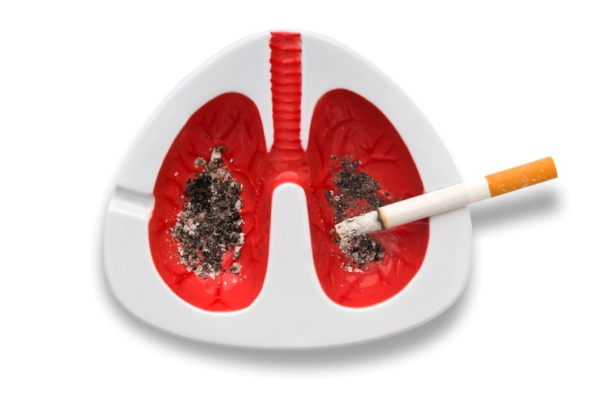
    Cigarette Smoke Can Cause Lung Cancer

    Symptoms of Lung Cancer

    While only an in-person checkup with your physician can tell you the extent of the damage caused by smoking cigarettes, there are some symptoms that could give you an indication that you should talk to your doctor sooner than later. Additionally, consulting with a professional smoking cessation professional such as Hypnotherapist Joseph R. Giove can help the transition to a smoke-free lifestyle.

    There are several symptoms that can be indicative of lung cancer, and any of these symptoms should prompt you to seek medical advice as soon as possible. Some of these symptoms include:

    • Intense and prolonged coughing
    • Shortness of breath
    • Chest pain
    • Harsh sounds when breathing or talking
    • Bronchitis
    • Pneumonia
    • Coughing blood

    These symptoms occur in the lungs but there are others that can occur in places other than the lungs. Fatigue, blood clots, and loss of weight and muscle are some of these symptoms.

    Clinical Hypnosis and Hypnotherapy

    There are many, many medical studies that clearly show the link between smoking nicotine and its effects on the body, particularly lung cancer. Lung cancer is one of the most frightening outcomes of smoking, and it affects an alarming percentage of all smokers, 90{cb12661b2b7fd86e618703ac3a1bf5df9897d897450d7668a57e7745cc225577}. Lung cancer can affect anyone who smokes cigarettes, but increases in probability the more cigarettes smoked per day and of course the length of time spent smoking. This means that you have a 90{cb12661b2b7fd86e618703ac3a1bf5df9897d897450d7668a57e7745cc225577} chance of contracting lung cancer if you smoke and a 1 in 7 chance of dying from it if you smoke heavily for an extended period of time.

    Joseph R. Giove is a certified Clinical Hypnotist with a proven track record of helping people quit smoking without any of the harmful chemicals and carcinogens that are often found in other ‘stop smoking’ methods. Quitting smoking today has been proven to add on average up to 17 years to your life, and Joseph R. Giove can help you achieve your goal.

  • What Happens When You Quit Smoking?

    What Happens When You Quit Smoking?

    Quitting smoking can be a very difficult habit to break. For anyone who make the decision of leaving cigarettes behind, they may encounter some physical and psychological changes but which are always a sign the body is recovering. Those who persevere will find themselves to be much healthier and happier than when they were smoking.

    This article will outline both the physical and the psychological challenges that may come along with quitting smoking, and how much healthier and happier people are when they are free.

    Physical Symptoms of Quitting smoking

    When a person quits smoking, the nicotine instantly begins leaving the body. As a former smoker gradually gets rid of the nicotine, the body can then start to heal itself and shows this adjustment as withdrawal symptoms. These effects are short term, often lasting less than a few days and are nothing compared to the long term health benefits of being smoke free. Some of the noticeable short-term physical effects for those wishing to quit smoking may include:

    Coughing

    • One of the most common side effects of smoking is having a cough because of the chemicals and smoke particles that come along with smoking.
    • When a person quits smoking, the lungs begin to heal themselves, getting rid of the buildup of mucus, irritants and other infectious materials.

    This is a positive thing, signaling that the body is expelling foreign matter. After a few days the cough subsides and regular breathing and exercise become much easier.

    Headaches

    • Headaches are caused by the body attempting to regain balance after sustained nicotine consumption.
    • Blood pressure, heart rate and blood sugar levels decrease and oxygen levels in the blood supply start to increase.

    This trifecta of factors often cause headaches, but which only last for short period of time. Once the headaches are gone, they should not return and you should feel far more clear-headed than before.

    Dizziness and Fatigue

    • Adrenaline is released into the brain when nicotine is consumed, and a person’s brain and body become used to this feeling.
    • When a person quits smoking and this artificially-triggered adrenaline diminishes, short-term fatigue or dizziness may be experienced.

    Within a week of being nicotine free, these symptoms will be replaced by an increased energy level and a feeling of clarity.

    Hunger Cravings When Quitting smoking

    • Nicotine is a natural appetite suppressant; as the body slowly eliminates nicotine buildups, appetite levels will return to normal.

    Within a few days to a few weeks a normal appetite will return.

    Get Healthy by Quitting Smoking

    Psychological Symptoms of Quitting smoking

    In addition to the many physical factors that can be experienced in the first few days of transitioning to a smoke-free life, quitting smoking also brings with it psychological symptoms, which can readily be mitigated using methods such as Clinical Hypnosis and Hypnotherapy. Some of these effects include:

    The Social Aspect

    Fewer people are smoking, and many who do are also looking to quit. As such, it is possible to find that after the initial period, there will be more social benefits to quitting.

    Mood Swings

    • When you quit smoking, your brain is being deprived of the nicotine that it has become accustomed to. This can cause symptoms such as extreme irritability, anger, panic, and depression.
    • Any of these can cause a person’s mood to fluctuate.

    After quitting smoking people find they are easier to get along with, generally happier, have a better dating prospects, and an overall heightened euphoria about life in general.

    Inattentiveness

    • Smoking is a habit, and it is also an activity that fills time. When a person quits smoking they can often feel like they are lost, or that there are blocks of empty time in the day what would have previously been filled by smoking.
    • People trying to quit may find themselves feeling like they have nothing to do.
    • Smoking is often used as a mechanism to deal with things like stress and boredom, and may now find it difficult to cope.

    After quitting smoking, a person’s mind will dwell less and less on smoking and the body will forget the inadvertent habit of physically putting a smoke to the lips. Finding something else to do with the hands and fingers is a key to breaking this habit. This symptom can be easily and significantly reduced with Hypnotherapy, which works by reprogramming the mind, allowing participants to focus on what is really important.

    Cravings

    The body doesn’t actually crave nicotine poison. What it is craving is acetylcholine, the neurotransmitter that nicotine simulates. Once your body’s production of acetylcholine returns to normal, the false craving for nicotine quickly passes.

    Hypnosis and Hypnotherapy

    Quitting smoking can feel like an uphill battle when you quit improperly. Quitting smoking greatly increases a person’s life expectancy and overall health throughout their lifetime. The obstacles to quitting are both physical and psychological and will affect the body and mind is various ways. Some of these effects can be quite drastic, and may feel like they will never pass. However, these hurdles are short-lived are a necessary step to getting back to a long and healthy life.

    Joseph R. Giove is a certified Hypnotist and Hypnotherapist and wants to help people quit smoking in the easiest, fastest and most painless way possible. Clinical Hypnosis and Hypnotherapy will help you cope with both the physical symptoms as well as the psychological issues that come along with quitting. This is because Clinical Hypnosis and Hypnotherapy has been proven as one of the most effective ways to quit smoking and also has the added benefit of not using harmful chemicals that are found in many other ways of quitting smoking. With over 25 years of proven experience helping long term and short term smokers of all ages, Joseph R. Giove can help people quit smoking at his certified clinic with proven results.

Call Now Button