Tag: Nicotine Addiction

Kick your nicotine addiction to the curb now! Call clinical hypnotherapist Joseph Giove at 925-215-4017. He will help you in your journey to quit smoking.

  • How Bad is Nicotine For You?

    How Bad is Nicotine For You?

    Smoking cigarettes is extremely dangerous to your health. More specifically, nicotine in general is bad for your health. Nicotine is found in all tobacco products including chewing tobacco, pipe smoking, and even nicotine replacement therapies such as patches and gums.

    Nicotine use will affect almost every part of the body, especially the heart, lungs, and brain. There are some (very few) scientifically proven positive effects of nicotine, but the consequences of prolonged use are not worth the cost.

    This article will discuss what nicotine is, how addictive it is, the possible health issues from long term use, the use in treating mental illness, other additives in cigarettes, and how Clinical Hypnosis and Hypnotherapy can help you quit smoking.

    What is Nicotine

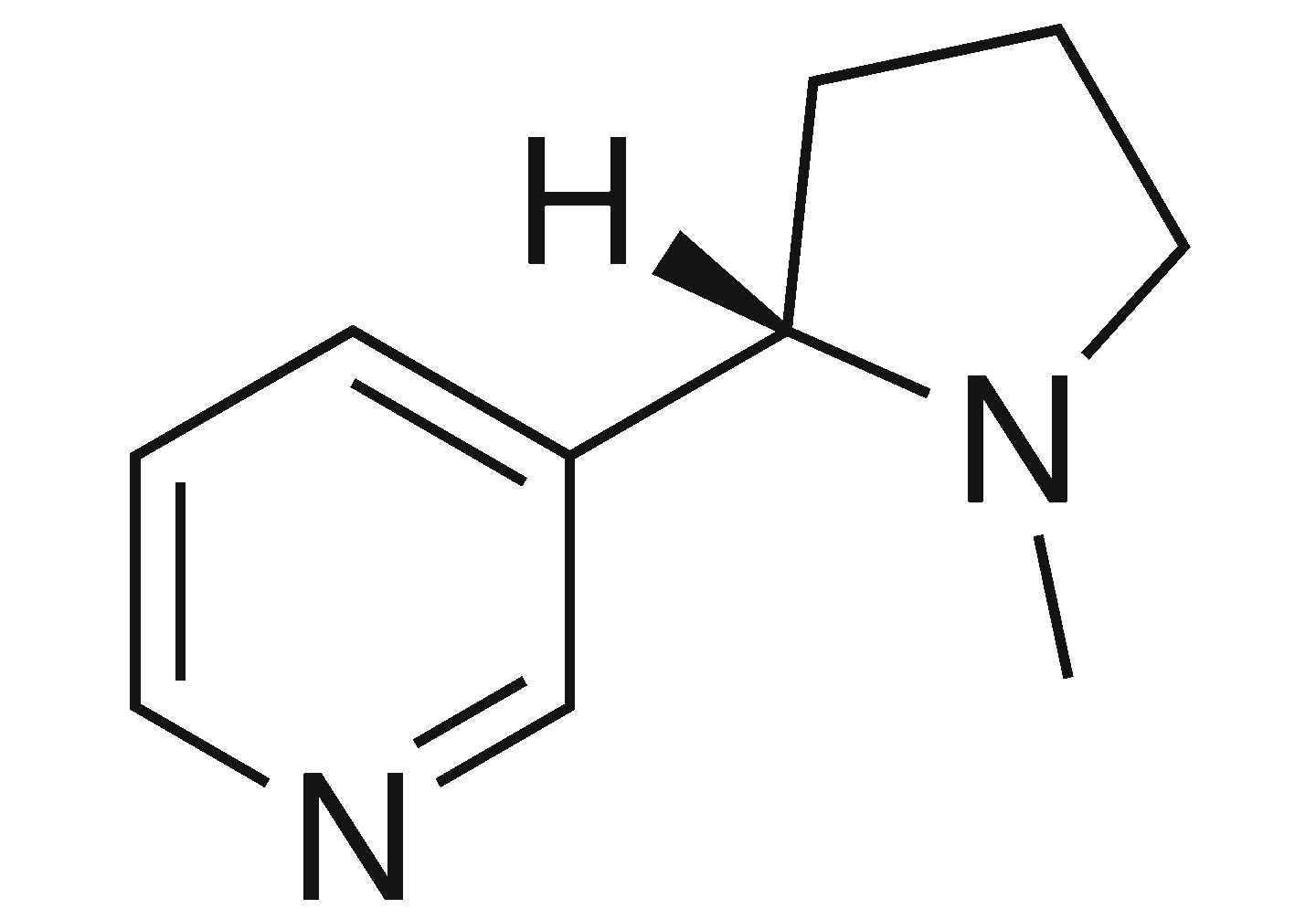
    Nicotine is defined as “a toxic colorless or yellowish oily liquid which is the chief active constituent of tobacco.” Nicotine is an alkaloid that is found in certain plants such as tobacco and is synthesized in the roots and leaves of the plant. It makes up to 3 {cb12661b2b7fd86e618703ac3a1bf5df9897d897450d7668a57e7745cc225577} of the dry weight of the tobacco plant. When tobacco is smoked, nicotine is absorbed through the lining of small air sacs in the lungs and when used in chewing tobacco, it is absorbed through the mucus membranes in the mouth. After it is absorbed it is then free to circulate to the entire body through the bloodstream. This is why nicotine can cause problems for just about any part of the body.

    How Addictive is Nicotine

    Nicotine is so addictive it has been compared to being addicted to heroin or cocaine. The American Heart Association has said it is one of the hardest addictions to break. So what is the science behind the addictiveness of nicotine?

    After nicotine is absorbed into the body it crosses the blood-brain barrier and enters into the brain. Once there, it binds to specific cholinergic receptors, which are activated by a neurotransmitter. These neurotransmitters normally maintain healthy actions by the body, such keeping the heart beating at a constant rate. Nicotine has a similar chemical make-up to these neurotransmitters, so it can activate these cholinergic receptors, but instead of the brain sending normal signals to the body, it sends out disruptive ones. After a period of smoking, the number of receptors in the brain increase in addition to developing a tolerance to the nicotine. This means that in order for a person to have normal brain function, they must continue to feed those receptors the nicotine they expect. When the nicotine level falls, the brain doesn’t function properly and people will begin to experience withdrawal symptoms. This means they need more nicotine to keep functioning. It also means they will have another cigarette. And then another. As you can see, this can end up being an endless cycle in order for a person to avoid the unpleasantries that come along with withdrawal symptoms.

    Health Issues From Long Term Use

    Nicotine is the active ingredient in tobacco and tobacco is the main ingredient in cigarettes, therefore the nicotine in cigarettes makes you crave more. Prolonged use of nicotine in cigarettes can cause serious health issues. Some of those issues are:

    • Increased heart rate and blood pressure
    • Eye degradation
    • Bone weakness
    • Dizziness
    • Fertility problems
    • Respiratory problems
    • Cancers
    • Death

    Smoking cigarettes will greatly reduce your life expectancy and increase your chances of getting cancer or other dangerous diseases.

    Treating Mental Illness With Nicotine

    While there are many negative side effects to prolonged nicotine use, there are a few positive uses for nicotine. One of those uses is for helping people with mental illnesses. Most mental illnesses involve schizophrenia, psychosis, or some other type of disorder that causes them to be agitated most of the time.

    Nicotine, as well as being a stimulant for the brain, is also a relaxant. Nicotine releases many chemicals into the brain, two of which are dopamine and serotonin which act as relaxants and affect the brain’s reward center. Some mentally ill patients find themselves calm, relaxed, and focused after smoking.

    Some patients that have alzheimer’s or schizophrenia self-medicate with cigarettes because they find that their minds are more focused. Nicotine has an interesting double effect with mentally ill patients. For someone who is agitated, it calms them. For someone who isn’t agitated, it increases awareness. These patients have debilitating diseases but smoking seems to alleviate some of their pain.

    A Mental Patient Smoking Nicotine

    Other Additives in Cigarettes

    There are over 4000 chemicals in cigarettes. They are all harmful to the body and most have long scientific names. For the sake of brevity, here are some of the more dangerous additives in cigarettes:

    • Cadmium – found in batteries
    • Stearic acid – candle wax
    • Butane – lighter fluid
    • Ammonia – cleaning fluids
    • Methanol – fuel
    • Arsenic – poison
    • Methane – sewer gas
    • Carbon Monoxide – car exhaust

    Clinical Hypnosis and Hypnotherapy

    How bad is nicotine for you? It is very bad. It is one of the most addictive substances on the planet. It alters your brain and body chemistry to make you want more and more all the time. Nicotine is so bad for you that it was used as an insecticide in the past.

    While some mentally ill patients find temporary solace in smoking a cigarette, smoking is still very dangerous to anyone’s health. Quitting smoking is the best way to avoid all the dangerous side effects that accompany prolonged nicotine use and Clinical Hypnosis and Hypnotherapy can help.

    Joseph R. Giove has over 30 years of experience helping people quit smoking using Clinical Hypnosis and Hypnotherapy. He is a certified Clinical Hypnotist who uses no chemicals or carcinogens, such as nicotine replacement therapies do, to help you quit smoking. Gently altering the brain patterns of a smoker helps them no longer crave cigarettes and nicotine. Giving up nicotine and smoking will allow you to live a longer and healthier life and Clinical Hypnosis and Hypnotherapy can help!

  • What Are the Effects of Nicotine on the Body

    What Are the Effects of Nicotine on the Body

    Nicotine is one of the most dangerous chemicals that can be ingested into the body. Whether you are chewing tobacco, smoking a pipe or cigarettes, or even using patches or gum for quitting smoking, the number of carcinogens that are in nicotine is alarming.

    Nicotine is severely addictive, which makes this drug even more dangerous to the body. Nicotine is so addictive, it has been likened to being addicted to heroin or cocaine. Quitting smoking is hard to do and trying to quit often takes several attempts, but the sooner you quit smoking, the less nicotine will affect your body in the end.

    Nicotine has many effects on the body. Obviously, most of them are adverse but there are a few that temporarily enhance some of the body’s functions. This article will look at all of the effects that nicotine will have on your body, and how Clinical Hypnosis and Hypnotherapy can help you quit smoking to avoid these effects.

    What Are the Physical Symptoms of Nicotine Use

    When nicotine is smoked or absorbed into the body, it can have many harmful side effects. Here are some of the symptoms you can expect after prolonged nicotine abuse and the parts of the body that will be affected.

    • The Heart – Nicotine causes the heart rate and blood pressure to increase. Eventually, you will be at a much greater risk of heart disease and stroke because the heart has to work much harder to clean the nicotine out of your system.
    • The Brain – Nicotine causes minor problems in the brain such as dizziness, tremors, and sleep disturbances. The major problem is that nicotine is highly addictive for the brain and therefore, in turn, affects all other parts of the body.
    • Metabolism – Nicotine increases the calories that the body burns, but that is only because the body is trying to get rid of the nicotine. This means that there will decreased endurance and breathing problems. Basically, the body may be alright for a sprint but will not make it for a mile.
    • The Reproductive System – Men are at risk to develop erectile dysfunction and impotence at a higher rate than non-smokers. Women increase their risk of infertility and miscarriage. There are also many risks to a baby that is exposed to nicotine from the mother.
    • The Eyes – Nicotine actually damages the eyes in many ways. It will degenerate the eyes so that there will be night vision problems, peripheral vision problems, as well as overall vision issues.
    • The Bones – Nicotine increases the risk of osteoporosis. People who smoke have been found to be at a greater risk for fractures due to the weakening of the bones.
    • The Stomach – Nicotine is depressant on the hunger sensation and makes the brain think it doesn’t want food. Anorexia is a common disease associated with smoking and is very dangerous to overall health.
    • The Lungs – Nicotine obviously has a negative effect on the lungs. It causes the lungs to be over-stimulated and increase the production of respiratory secretions. This means the lungs are working harder than they have to. Prolonged use of nicotine will cause the lungs to paralyze and could lead to respiratory failure.
    • The Rest – There are other side effects of prolonged nicotine use including: heartburn, diarrhea, dizziness, stomach acid, mouth pain, and fatigue.

    These are some of the serious negative effects that nicotine has on the body. The longer a person smokes cigarettes, the greater the risk of having one or all of these problems with their body.

    A Healthy Lung and a Nicotine Damaged Lung

    Positive Effects of Nicotine Use

    While the negative effects of nicotine on the body are plentiful, there are some positive effects. It should be noted that nicotine is very dangerous to a person’s long-term health and this article is simply depicting all of the effects that nicotine has on the body. These short-term positive effects are minor and will not outweigh the extremely dangerous adverse effects of nicotine use.

    Nicotine in cigarettes has been found to be a stimulant for cognition, focus, and alertness for a short time. It makes a person more aware and also stimulates memory, attention, and motor abilities. Nicotine acts as a stimulant in the brain that temporarily increases its activity.

    Reflexes are also increased with nicotine use. Research has shown that finger tapping speed increases with smoking cigarettes. Again, since nicotine is a stimulant for the brain, it causes faster muscle movement in the body.

    Clinical Hypnosis and Hypnotherapy

    While there are some “positive” short-term effects of nicotine on the body, the negative aspects are much greater. There is no doubt that nicotine is dangerous to the body and could have long-lasting or permanent effects.

    Clinical Hypnosis and Hypnotherapy is a non-intrusive method of helping you quit smoking and overcome the effects of nicotine. Joseph R. Giove is a certified Clinical Hypnotist with over 30 years of experience helping people quit smoking who doesn’t use chemicals or any other carcinogens. All he uses is the power of the mind to gently alter your brain patterns so that you lose your craving for cigarettes, and eventually despise them.

    Quitting smoking will add years to your life and result in a better quality of life. The sooner you can cut nicotine out of your life, the better off you and your loved ones will be!

  • How Long Does It Take to Quit Smoking

    How Long Does It Take to Quit Smoking

    There are many factors in determining how long it takes for a person to quit smoking. The actual quitting part takes no time at all: simply, stop smoking cigarettes. The hard part is to not start smoking again. Many people fail at their first attempt at quitting, and some people never actually manage to. This being said, there is a general guideline to how long these withdrawal symptoms will last, and as long as you can get through this initial timeframe quitting will become much easier.
    In this article we will discuss this timeline as well as quitting cold turkey and the ways to fight anxiety and cravings that come with quitting smoking.

    Quitting Cold Turkey

    Quitting cold turkey simply means setting a date where a person will have their last cigarette and then sticking to that plan, hopefully forever. This method is one of the most popular quitting methods and of the people who do end up quitting for life, 80{cb12661b2b7fd86e618703ac3a1bf5df9897d897450d7668a57e7745cc225577} used the cold turkey method. Despite this success rate, this method also carries with it the burden of having to experience all of the nicotine withdrawal symptoms upfront, the timeline of which we will discuss in detail later on.

    These withdrawal symptoms can include:

    • Anxiety
    • Cravings
    • Fatigue
    • Hunger
    • Irritability
    • Trouble with sleep
    • Depression
    • Inability to concentrate
    • Hunger

    The cold turkey method may be effective to some degree but it does have drawbacks. These withdrawal symptoms can be mild for a lucky few, but most describe them as somewhere from unpleasant to unbearable.

    Ways to Fight Anxiety

    Anxiety is one of the first symptoms experienced after someone quits smoking. The overwhelming feeling that they might never smoke again can seem like a frightening prospect. They may feel like they will relapse and be a failure to those around them, or that quitting is such a daunting task they may as well give up now. Most people are too hard on themselves and the anxiety that comes with quitting smoking does not help matters. Anxiety causes stress and stress is one of the reasons people often revert back to smoking.

    Here are some ways to combat these stressful feelings:

    • Signs of Stress – Recognizing certain signs of stress such as headaches, sleeplessness, depression, and anger is key so that people can react accordingly to help combat such feelings
    • Enjoyment – Doing things a person enjoys can greatly reduce anxiety
    • Physical Activity – When many people, not just smokers trying to quit, feel anxiety and stress they do physical activity to relieve it
    • Relaxation Techniques – Yoga, deep breathing, and meditation are ways people can teach themselves to learn to relax more in times of stress
    • Caffeine – Reducing a person’s caffeine intake is a good way to reduce anxiety
    • Life Problems – Resolving short-term problems before quitting can be beneficial so there will be one less thing to worry about when quitting. After quitting, not worrying about long-term problems for the time being will also help

    Using these techniques can help combat one of the first and most powerful symptoms of nicotine withdrawals; anxiety. If a person gives themselves a break, realizes that the road is going to be tough, and uses some of these techniques they will have a better chance of quitting.

    How to Fight Cigarette Cravings

    Another of the most common symptoms of nicotine withdrawal are cravings. A person’s brain gets used to the nicotine and other chemicals it absorbs from years of smoking cigarettes. When these chemicals are cut off, the brain goes into withdrawals. One of strongest withdrawal symptoms is nicotine cravings.
    Many people revert back to smoking because the nicotine cravings are too much to handle. There are many ways to fight these cravings, and they typically only last 5-10 minutes, so here are some tips to get through that time:

    • Support – Having a support system is very helpful to managing cravings. A friend or family member, a help line, a counsellor, or even an app can be the difference between a cigarette and another smoke-free day
    • Environment – Ensuring that the first 2-4 weeks of quitting are spent in as many smoke-free places as possible will help keep the mind off of wanting a cigarette
    • Keep Your Mouth and Hands Busy – Chewing gum or lozenges will keep the mouth busy, while knitting, physical activity, or even puzzles can keep the hands busy.
    • Use NRT’s – Nicotine Replacement Therapies such as patches, gums, or pharmaceutical aids can help subdue the cravings gradually

    How to Fight Cravings when you Quite Cigarettes

    Quitting Timeline

    While the exact timeline will obviously be different for each individual, there is a general guideline for what happens to the body and mind when a person has their last cigarette.

    Here is a timeline for how long it takes to quit smoking:

    • 20 minutes – Blood pressure and heart rate return to normal levels
    • 12 hours – Blood oxygen and carbon monoxide levels return to normal
    • 24 hours – Anxiety levels are at their peak
    • 48 hours – Nerve endings have regrown and sense of smell and taste have returned
    • 72 hours – Withdrawal symptoms and cravings have peaked because the body is now nicotine free. Lungs are healing and breathing is easier
    • 5-10 days – The time that cravings last reduces from 5 minutes to 3 and the regularity of cravings also decrease
    • 2-4 weeks – Most, if not all, withdrawal symptoms have ceased and lung and heart function will return to that of a non-smoker

    For all intents and purposes, it takes the average person 2-4 weeks to get rid of the nicotine that has built up in the body and to no longer experience nicotine withdrawal symptoms. After this period the risk of coronary disease, lung cancer, heart attack, and stroke all will return to normal.

    Clinical Hypnosis and Hypnotherapy

    The length of time to quit smoking does vary with each person, but that is a secondary factor compared to the initial, life-changing decision to quit smoking. There are many methods to quitting smoking including Nicotine Replacement Therapies such as gums and patches, the cold turkey method, and even medical treatments. These all have about the same percentage of effectiveness and can often involve significant nicotine withdrawal symptoms. Clinical Hypnosis and Hypnotherapy is an option that uses no chemicals or carcinogens, and also helps with the relaxation of the mind and body when experiencing nicotine withdrawal symptoms.

    Joseph R Giove is a certified Clinical Hypnotist with over 30 years of experience at his clinic practising Clinical Hypnosis and Hypnotherapy. His techniques involve gently altering the brain patterns in order to make cigarettes unwanted and eventually disliked.

  • Why Do People Smoke Cigarettes?

    Why Do People Smoke Cigarettes?

    Everyone knows that cigarettes are nicotine filled, cancerous, disease causing sticks of tobacco. There are warning labels, educational films, pictures, stories, movies, lawsuits, and everything in between to tell the public that cigarettes are dangerous. So why do people smoke? This article will discuss the origin of cigarettes, the ways people start smoking cigarettes, why they continue to smoke cigarettes, and how hypnotherapist Joseph R. Giove provides the best way to quit smoking.

    How it All Started

    Tobacco was the first crop grown in North America for money in Jamestown, Virginia in 1612. The cash crop paid for the American Revolution and was even grown by George Washington himself. By the 1800’s people were chewing and smoking small amounts of tobacco, then, the first commercial cigarettes were sold in 1865. In 1881 the first cigarette making machine was invented and soon it was producing 1 billion cigarettes per year.

    Today, governments are restricting the smoking of cigarettes in every way that they can.

    With all these restrictions and warning labels, the public is still continues to smoke cigarettes. This begs the question, why?

    Peer Pressure to Smoke Cigarettes

    The most common reason for people to start smoking is peer pressure. By far, peer pressure is mostly focused on teenagers and their confused, hormone addled state of mind. Young people that are no longer dependant on their parents and starting out in the world on their own are ripe for being pressured into smoking.

    Some are looking to fit into a group that already has smokers, others are looking to try something new or rebellious, and others are looking to prove that they are not afraid to do something dangerous.

    Genetics

    The field of genetics can predict almost anything now days, but there is still not a clear link to a specific gene that leads to smoking. Rather, it is more like a number of factors such as ethnicity, and other health and social factors, plus genes that come together to make people susceptible to cigarettes.

    Parental influence is also a huge factor whether or not your child chooses to start smoking. Obviously, parents are the most influential part of a child’s life until they reach adolescence. A child with a smoking parent is twice as likely to start smoking than a nonsmoking parent.

    Other parental choices for their children are also factors such as having a relaxed attitude toward smoking instead of educating them on the dangers. Letting them watch movies and television that display smoking in a relaxed and ‘cool’ manner, will also contribute to the child pursuing smoking.

    Misinformation and Media

    People can easily be misled by advertising. In the past when tobacco companies were allowed to advertise on television and radio there would be ads depicting tobacco as giving people vitality, vigor and happiness. Even though those ads are long gone, the attempt to confuse the consumer remains.

    Cigarettes now have brands that say “light,” ”ultra light,” “low tar,” and “menthol.” These are designed to make people think they are somehow less harmful and will therefore decide to smoke those instead of “regular” cigarettes. This is a dangerous and misleading rationalization.

    The newest form of misinformation on the scene is the e-cigarette. This is a ‘vaping’ device that vaporizes a liquid and is inhaled. However, these liquids contain many chemicals including nicotine, glycerine, and other carcinogens found in cigarettes.

    The media, specifically television and film, have always been a major influence on the public in terms of smoking. If people, especially young people, see how actors, actresses, and models look when they are smoking, they are inclined to emulate the look. This has been going on since the advent of television in the 1950’s, when smoking was in its prime, and continues today.

    Personal Factors

    Everybody has stress in their lives. Some people decide to deal with their stress by smoking cigarettes. This is a tactic going back to the day of soldiers getting cigarette rations going off to war. While today’s stress levels are nowhere near the same, people with job or family stress often use cigarettes to “calm” themselves.

    Cigarettes are also used as a replacement for prescription medication that may not be available as needed. Anxiety, depression, and other mental illnesses are just some of the ailments that are perceived to be temporarily relieved by smoking cigarettes. This is because the nicotine ingested goes straight to the brain and releases endorphins.

    Quitting cigarettes can save your life

    Continuing To Smoke

    There are any number of ways that a person can start smoking but there is basically just one factor that keeps them coming back. Nicotine.

    Nicotine is a naturally occurring substance in tobacco and is the “active” ingredient in tobacco, much like THC is the “active” ingredient in marijuana. Small amounts of nicotine give the smoker positive feelings and takes away negative feelings. This is because the brain is being flooded with dopamine, and smokers will experience a small adrenaline rush.

    Nicotine reaches the brain very quickly after being inhaled but also wears off very quickly. This leads to the user wanting more and more and more.

    The body and brain then get used to the nicotine, which then requires more nicotine to feel the same effect as previously received. These are called cravings and they get more intense as the body gets used to the nicotine being ingested.

    Clinical Hypnosis and Hypnotherapy

    Though there are many factors that contribute to people’s decision to start to smoking and quit smoking; there are far many more reasons to quit smoking.

    Smoking cigarettes, or any other form of nicotine, is extremely hazardous to a person’s health. The chances of developing emphysema, bronchitis, disease, cancer, and heart disease increases significantly the longer a person smokes. Quitting smoking is the only way to stop the progression of these ailments and Clinical Hypnosis and Hypnotherapy is the best way to achieve this.

    Joseph R. Giove is a certified Clinical Hypnotist with over 30 years of experience helping people quit smoking, no matter how long they have been smoking for. His technique involves gently altering brain patterns so that a cigarette is no longer craved and eventually despised. There are no chemicals or carcinogens used as in other quitting methods, only the power of the mind. No matter if you have smoked for 30 days or 30 years, Joseph R. Giove and Clinical Hypnosis and Hypnotherapy can help you to achieve a smoke free life.

  • E- Cigarettes – Not Such a Great Alternative?

    E- Cigarettes – Not Such a Great Alternative?

    Everyone knows the health risks of cigarettes. Stroke, blindness, cataracts, macular degeneration, periodontitis, aortic aneurysms, coronary heart disease, pneumonia, atherosclerotic peripheral vascular disease, chronic obstructive pulmonary disease, tuberculosis, asthma, diabetes, reproductive defects, hip fractures, ectopic pregnancy, erectile dysfunction, rheumatoid arthritis, immune dysfunction, overall diminished health and causes 15 types of cancer. OK, so you might not have known about all those risks, but these are the facts presented by the Centers for Disease Control and Prevention (CDC).

    As you can see, it is a long list of diseases, illnesses and cancers that have serious, life-threatening health effects. For the people that want to reduce, cut down or quit smoking there are a variety of options on the market aimed at helping you quit, such as nicotine patches or chewing gums, e-cigarettes or hypnotherapy, which has proven to be incredibly effective method.

    As a health professional who has been working in the field of smoking cessation for over 25 years, clinical hypnotherapist Joseph R. Giove is particularly concerned about the growing trend of e-cigarettes. He notes that he has seen a rise in clients coming to him for help after failed attempts at quitting smoking using methods such as switching to e-cigarettes.

    In this article we will discuss the following points related to e-cigarettes and the myth that they aid in efforts to quit smoking conventional cigarettes:


    • What are E-Cigarettes? Tobacco, flavor compounds and assorted chemicals that when heated become an inhalable vapor.


    • ‘‘Popcorn Lung’ and other diseases related to E-cigarettes: Several studies have linked e-cigarettes to serious lung trauma.


    • The Problem with E-Cigarette Flavors: Fun flavors such as ‘Cotton Candy’ attract a significantly younger audience than conventional cigarettes.


    • Chemicals in E-Cigarettes: Potentially significantly higher concentrations than conventional cigarettes.


    • Marketing E-Cigarettes: E-cigarette companies face few marketing restrictions.


    • Health and Hypnotherapy Information: Studies and why Joseph R. Giove and hypnotherapy is a very useful tool to quit smoking

    What are E-Cigarettes?

    E-cigarettes are a nicotine delivery system, and function by heating flavored nicotine and other chemicals electronically, just enough to vaporize. Puffing an e-cigarette activates the heating device which vaporizes flavored liquid which the user then inhales. This process is called ‘vaping’. It is the aforementioned chemicals that have been added to the nicotine that are now being investigated, and the results are shocking.

    The ‘Popcorn Lung’ Effect

    One of the more serious side-effects of E- Cigarettes is something called the “Popcorn Lung.” It gets its name from the effects that first appeared in workers in microwave popcorn factories. In these factories they also produced the artificial butter accompaniment, and it was chemicals from this which led to workers contracting what is now known as ‘Popcorn Lung’. The link between ‘Popcorn Lung’ (also called bronchiolitis obliterans) and e-cigarettes was recently discovered by the Harvard School of Public Health.

    Troublingly, e-cigarettes are perceived by many to be a safe alternative to cigarettes, and are gaining popularity. However, this Harvard School of Public Health report suggests that e-cigarettes are linked to the “Popcorn Lung” effect and are not actually a safe alternative to conventional cigarettes.

    Popcorn Lung is a debilitating and irreversible respiratory disease. As previously mentioned, this disease is similar to chronic obstructive pulmonary disease. This causes small scarring in tiny air sacs inside the lungs that lead to shortness of breath and intense coughing. Basically, the chemicals that are found in e-cigarettes are restricting the blood and oxygen flow in the lungs.

    The Problem with E-Cigarette Flavors

    Another troubling problem with e-cigarettes is that they are flavored, often with fun and tasty sounding names such as Cotton Candy, Fruit Squirts and Cupcake. This is troubling for the following reasons:

    • Big tobacco companies are targeting a younger market, perhaps even those under the age of 18.
    • A source from the CDC illustrates that since 2011, e-cigarette smoker rates have skyrocketed from 2{cb12661b2b7fd86e618703ac3a1bf5df9897d897450d7668a57e7745cc225577} of adolescents to nearly 15{cb12661b2b7fd86e618703ac3a1bf5df9897d897450d7668a57e7745cc225577} in 2014.
    • In that same time, conventional cigarette smokers decreased from 16{cb12661b2b7fd86e618703ac3a1bf5df9897d897450d7668a57e7745cc225577} to 9{cb12661b2b7fd86e618703ac3a1bf5df9897d897450d7668a57e7745cc225577} for the same age group.


    It is not hard to see that the big tobacco companies have found a new way to get the youth of a new generation addicted to their product.

    Dangers of Electronic Cigarettes

    Chemicals in E-Cigarettes

    The same Harvard study we previously referenced found at least one of the three extremely toxic chemicals found in regular cigarettes in over 50 flavors of e-cigarettes. The chemicals are diacetyl, acetoin and 2,3 pentanedione. In a quote from the report, author Joseph Allen says “the amount of diacetyl in 39 of the e-cigs exceeded the amount that was detectable by the laboratory.”

    This is definitely a troubling statistic. If the amount exceeds what we are even able to measure, than how much of these chemicals are actually in these e-cigarettes?

    The tests results regarding e-cigarettes are only just now becoming available, and they are showing the risks associated with e-cigarettes are at least equivalent, and in some cases worse than conventional cigarettes. Tobacco smoking is in fact less harmful than smoking e-cigarettes because of the additives that make their way into those e-cigarettes.

    “Vaping” an e- cigarette may seem like a healthier alternative to a conventional cigarette, but they contain many of the same chemicals, as well as additional chemicals. One of these, which is found in the flavoring component of e-cigarettes, is formaldehyde, and will therefore not only cause addiction but also severe lung damage.

    Marketing E-Cigarettes

    There has been an aggressive attempt by tobacco companies to get younger people to buy e-cigarettes. Since the government has not put many restrictions on the sale and production of e-cigarettes, they are taking this opportunity to target youth. Teen use alone has tripled since 2014, mostly due to the flavors that are offered by e-cigarette companies. In April 2014 the United States Food and Drug Administration proposed banning the sale of e-cigarettes to people under the age of 18.

    The problem is that because e-cigarettes are so new, there is insufficient data to sway lawmakers to take action at the federal level. At the state level, 46 States have enacted laws that will prevent the sale of e-cigarettes to minors and a further 12 now require childproof packaging.

    Despite recent attempts by the United States government to curb advertisement of e-cigarettes to minors, websites like YouTube still host them. YouTube claims that at least 90{cb12661b2b7fd86e618703ac3a1bf5df9897d897450d7668a57e7745cc225577} of e-cigarette ad viewers are over 18, and will not take down their advertising unless that number drops below 85{cb12661b2b7fd86e618703ac3a1bf5df9897d897450d7668a57e7745cc225577}. Considering how many people use sites like YouTube, we can see that there are still an enormous number of youth that are being actively marketed to.

    Health and Hypnotherapy Information

    Youth and adults alike are not receiving proper health information regarding the risks associated with e-cigarettes. They are clearly not a viable alternative to conventional cigarettes, nor are they a useful tool to quit smoking.

    One of the most effective tools for those wishing to quit smoking is the proven method of hypnotherapy. Posing no additional risk factors such as increased carcinogen or chemical intake, Joseph R. Giove and clinical hypnotherapist therapy gently rewire your brain so you are no longer falsely dependent on cigarettes, allowing you to live a healthier, smoke-free lifestyle.

  • What Are The Main Ingredients In Cigarettes? 

    What Are The Main Ingredients In Cigarettes? 

    It’s no big secret that smoking cigarettes is one of the most harmful things you can do to yourself. Even secondhand cigarette smoke can have a dramatic impact on your health, and smoking can directly lead to cancer, heart disease, respiratory disease, and even impotence. Simply put, smoking kills.

    Because of this, the use of cigarettes has fallen drastically over the last several years. As more research shows the dangers of smoking and more resources exist to help people put down the cigarettes for good, more and more citizens are finally giving up this habit.

    However, here at Joseph R. Giove Clinical Hypnosis I’ve noticed that many smokers out there who still smoke do so in part because they don’t fully understand everything that is actually in a cigarette. There’s a lot more to a cigarette than just some nicotine and tobacco, and when you stop to take a closer look at what’s in them you may see why it’s well worth taking the initiative to finally stop smoking.

    Nicotine And Tar

    Before we get into the surprising ingredients, let’s talk about the basic ones that you’re already aware of. In general, there are two main ingredients that form the foundation of cigarette ingredients – tar and nicotine.

    • Nicotine – Nicotine acts as a stimulant to the brain. Once it’s inhaled it reaches the brain in about 6 seconds and can trigger reduced stress levels and improved mood. It helps calm your mind and your body to some degree, and is also highly addictive. It’s the compound that keeps smokers smoking.
    • Tar – Tar is essentially a mixture of all the various substances within the smoke that form a sticky coating within your lungs and your body. This contains high levels of carbon monoxide and a variety of other chemicals and compounds that can destroy your health and wellbeing.

    These two ingredients are what most talk about when they talk about the ingredients in a cigarette. But there are many more you need to be aware of – including a lot that might surprise you.

    Additives

    Now we’ll talk about something many don’t realize – additives are a part of virtually every cigarette you smoke. While most assume that it’s just tobacco, nicotine, and tar, research has shown time and time again that cigarette companies add plenty of different compounds and chemicals to their tobacco products – in fact, about 600 additives are legal to add to tobacco products.

    What additives are we talking about? Here’s a partial list of a few examples of what is included in a cigarette:

    • Clove stem oil
    • Caramel
    • Cocoa
    • Menthol
    • Sugar
    • Vanilla

    Those sound tasty, right? But the reality is that while it might be great to eat cocoa or sugar, you don’t normally smoke it, do you? As ingredients burn they go through a chemical change, and that chemical change can negatively impact your health. For instance, chocolate is delicious, but when cocoa is burned it actually creates bromide gas – which you inhale.

    That bromide gas is added not for flavor, but because it dilates your airways. This in turn helps increase the amount of nicotine they can absorb. The same goes for menthol. Sure, it might seem like it’s just there for added flavor, but the reality is that it is placed in a cigarette to help numb the throat and make it easier for you to inhale.

    Are you seeing a trend? You should be – tobacco companies have spent decades and millions of dollars making sure that they deliver nicotine to the body perfectly to increase your addiction and in the process, boost their bottom line.

    The Purpose Of Added Ingredients

    Tobacco companies add various compounds for one simple reason – to make a more effective product. We mentioned menthol and cocoa above, but what about more dangerous-sounding compounds that people often don’t realize are in their cigarettes? Think about the following:

    • Ammonia based compounds are often included to help mask the measurements of tar and to increase the speed with which nicotine is delivered to the body.
    • Chemicals like pyridine and acetaldehyde are added to help increase the impact nicotine has on the nervous system – they increase mood and also heighten the addictive nature of the cigarette.
    • Burn enhancers are added to make sure cigarettes stay lit for extended periods of time, and can increase the chance of developing cancer and other health issues.

    In fact, there’s even evidence that the tobacco used in today’s cigarettes has been genetically modified to increase nicotine levels dramatically and ensure that you stay hooked on them.

    Many Ingredients In Cigarettes Are Harmful

    Artificial Flavoring Mysteries

    One of the biggest problems associated with what goes into cigarettes is that the sweeteners and other flavorings added to cigarettes haven’t been fully disclosed or understood for years. Flavoring chemicals are known as alkenyl benzenes, and they’re added to tobacco products to help increase the flavor profile and make them more ‘enjoyable’ to smokers.

    These flavoring chemicals are often added to foods and are completely safe in that form since the liver eliminates the toxins with relative ease. But smoke enters the lungs, and the chemicals spread through the body before the liver can do anything about them. When this occurs, the increased risk of cancer and lung damage is dramatic.

    Recent studies have found that 68 brands of cigarettes on the market today contain five different types of alkenyl benzenes, each in varying levels. In short, these chemicals are just now being understood and it’s highly likely that many smokers have exposed themselves to them without even realizing it.

    The Dangers Of Additives

    You likely already know how dangerous nicotine and tar can be. But when you consider the different ingredients that are added to a cigarette in relative secrecy, it becomes apparent that smoking is even more dangerous than you might think.

    Stopping smoking is one of the single most important things you can do to improve your health. The tobacco companies aren’t going to stop putting additives in their products, so the only option to protect yourself is to put down the smokes.

  • Does Nicotine Cause Vasoconstriction Or Vasodilation?

    Does Nicotine Cause Vasoconstriction Or Vasodilation?

    At this point, pretty much everyone can agree that smoking is incredibly bad for your health – even the cigarette companies themselves have resigned themselves to this indisputable truth. But a surprising number of people who visit me here at Joseph R. Giove Clinical Hypnosis don’t seem to fully understand just what the various chemicals and compounds in a cigarette do to their health.

    One perfect example is the primary reason that people smoke – nicotine. This highly addictive substance is what keeps people coming back to cigarettes, and is included in virtually any kind of retail level smoking cessation product, from electronic cigarettes to nicotine patches and beyond. Many people assume that this is the only danger associated with it – it hooks you on smoking so you keep coming back, and the tar and other compounds are what harm your health.

    But nicotine does indeed lead to some serious health issues, and one of the biggest is in its impact on the blood vessels and the circulatory system. This is something worth taking a closer look at so you can understand why nicotine is so dangerous to your health.

    Vasoconstriction or Vasodilation?

    The first thing to clear up what nicotine does to the vessels themselves. Nicotine is a vasoconstrictor that causes the blood vessels to shrink and tighten up. This in turn has a big impact on the blood pressure. Since vessels are smaller, blood pressure rises and brings with it a wide range of health risks.

    Left unchecked, high blood pressure can cause serious health problems, including damaged arteries, heart disease, metabolic syndrome, and more. Blood pressure alone is a major health risk, and enhancing its severity through the use of nicotine is something that should be avoided.

    As a vasoconstrictor, nicotine has this effect on the blood vessels no matter what form it’s ingested. In other words, whether you smoke, vape, or use a patch, the impact on your blood vessels and circulatory system as a whole is the same. Once the nicotine is in the bloodstream, it has this impact on your health.

    Smoking Restricts Blood Flow And Increases Blood Pressure

    What Will Vasoconstriction Do?

    I’ve already touched on the basic principle behind what a vasoconstrictor does in as much as it causes a narrowing of the blood vessels and an increase in blood pressure. But beyond that, what else will happen within the circulatory system when this occurs? Here are a few additional things to understand.

    • The heart must work harder now in order to pump blood through the body. As a result, your risk of developing heart and cardiovascular system related problems is dramatically increased due to nicotine use.
    • Nicotine also causes the body to release fat and cholesterol when it enters the blood stream. This means that you have an increased amount of cholesterol flowing through the circulatory system, which in turn means that there is an increased chance of your cholesterol levels building up.
    • That cholesterol problem is only made worse when you smoke. Carbon monoxide is found in every puff of a cigarette, and when you smoke and expose yourself to it, the carbon monoxide makes it easier for fat and cholesterol to attach themselves to your arteries.

    In short, when you use nicotine you’re not only causing the vessels to shrink directly, but also lead to long term damage caused by cholesterol.

    The Dangers Of Smaller Arteries

    Increased blood pressure is the obvious risk associated with narrowing of the arteries. However, it’s important to understand that when you shrink the size of your arteries you are in turn directly making it harder for your body to get the blood it needs.

    When a narrow artery leads to less blood flow through a particular body part, it means that the body part may not be able to work as it properly should. This is particular true of the brain. Narrowed arteries leading to the brain could restrict blood flow to it, and in the process may have a serious impact on your brain’s health. It can reduce mental function and even lead to permanent damage. This applies to any part of the body.

    Additionally, the heart must work harder to deal with the narrowed arteries and the increased blood pressure. In doing so, you increase the risk of a heart attack being caused by an overworked heart muscle. Simply put, using any kind of nicotine product can dramatically impact your health.

    Pregnant Women And Vasoconstriction

    It’s also very important to touch on the fact that pregnant women who smoke are placing their unborn child at very serious risk as well. The primary reason lies in the fact that a fetus gets all of its nourishment from blood vessels leading from mother to baby. When nicotine is used, those same blood vessels are narrowed just like any other in the body.

    This leads to fetal undernourishment and has been linked to a wide range of health problems for unborn children including:

    • Increased risk of obesity
    • Increased risk of diabetes
    • Increased risk of facial clefts
    • Brain development and metabolism abnormalities
    • Impaired orientation of the newborn
    • Increased chance of infertility later in life
    • Overall developmental toxicity

    In fact, for more than 20 years nicotine has been on the list of chemicals according to the state of California that has been proven to cause developmental problems in infants. As dangerous as smoking and nicotine use is for adults, it’s even more harmful to unborn children.

    Step Away From Nicotine

    Finally, I should point out that the damage done to the blood vessels is really only one part of what nicotine can do to your health. There are many other ways that it can damage your health and as such it’s important to take steps to free yourself from it entirely. Using e-cigs or patches can certainly help you stop smoking, but you need to get away from the nicotine entirely.

    It’s not always easy, but the power of hypnosis and your own willpower can certainly help. If you’re serious about improving your health and wellbeing, nicotine has to go.

  • Stop Smoking Hypnosis Facts

    Stop Smoking Hypnosis Facts

    The research for hypnosis to stop smoking is very vigorous. It shows a significantly increased success rate when using hypnosis to help you to stop smoking, and points to hypnosis as the most effective form of smoking cessation therapy, with a higher success rate than nicotine patches, nicotine gum, e-cigarettes, medicines, etc.

    Hypnosis is the most effective way of giving up smoking

    In 1992 the University of Iowa conducted a meta-analysis of studies using different methods to try and help people to quit smoking. This was the largest ever scientific comparison – looking at more than 600 studies which contained 72,000 people in total, from America and Europe.

    They found that on average, hypnosis was over three times as effective as nicotine patches or nicotine replacement methods and 15 times as effective as trying to quit alone, and concluded that hypnosis is by far the most effective way of giving up smoking.

    (more…)

  • The Nicotine Connection

    The Nicotine Connection

    Contrary to popular belief, nicotine is not a relaxant. It is a stimulant that actually makes the heart beat faster. It is also a poisonous alkaloid–so poisonous that a tiny part of a gram of nicotine will drop an elephant. Some people still use nicotine to kill animals.

    There are over 4,000 chemicals produced in the combustion of tobacco, and the chemical that gives you that “relaxed” feeling, is carbon monoxide–the stuff that pours out of motor vehicles. It over powers oxygen and deprives the blood cells and the brain of oxygen. Thus, smokers have slower mental reactions than non-smokers. The worst part is that oxygen and carbon monoxide together contribute to a hardening of the arteries, the underlying cause of heart attacks, strokes, and senility. Smokers also inhale hydrogen cyanide, arsenic, formaldehyde and tar, among others.

    Most programs fail because they cannot effectively deal with the patient’s belief that he or she is addicted to nicotine. The tremendous value of hypnosis is found in this respect. The power of hypnosis comes when the subconscious mind is redirected so that it no longer responds to the body’s signals for nicotine. When this is accomplished, problems related to the cessation of smoking are avoided.

    (more…)

Call Now Button