Tag: Cigarette Smoke

Cigarette smoke can kill you and even others around you. Get the facts, start your journey away from tobacco today with Joseph Giove. Call 925-215-4017.

  • How Bad is Nicotine For You?

    How Bad is Nicotine For You?

    Smoking cigarettes is extremely dangerous to your health. More specifically, nicotine in general is bad for your health. Nicotine is found in all tobacco products including chewing tobacco, pipe smoking, and even nicotine replacement therapies such as patches and gums.

    Nicotine use will affect almost every part of the body, especially the heart, lungs, and brain. There are some (very few) scientifically proven positive effects of nicotine, but the consequences of prolonged use are not worth the cost.

    This article will discuss what nicotine is, how addictive it is, the possible health issues from long term use, the use in treating mental illness, other additives in cigarettes, and how Clinical Hypnosis and Hypnotherapy can help you quit smoking.

    What is Nicotine

    Nicotine is defined as “a toxic colorless or yellowish oily liquid which is the chief active constituent of tobacco.” Nicotine is an alkaloid that is found in certain plants such as tobacco and is synthesized in the roots and leaves of the plant. It makes up to 3 {cb12661b2b7fd86e618703ac3a1bf5df9897d897450d7668a57e7745cc225577} of the dry weight of the tobacco plant. When tobacco is smoked, nicotine is absorbed through the lining of small air sacs in the lungs and when used in chewing tobacco, it is absorbed through the mucus membranes in the mouth. After it is absorbed it is then free to circulate to the entire body through the bloodstream. This is why nicotine can cause problems for just about any part of the body.

    How Addictive is Nicotine

    Nicotine is so addictive it has been compared to being addicted to heroin or cocaine. The American Heart Association has said it is one of the hardest addictions to break. So what is the science behind the addictiveness of nicotine?

    After nicotine is absorbed into the body it crosses the blood-brain barrier and enters into the brain. Once there, it binds to specific cholinergic receptors, which are activated by a neurotransmitter. These neurotransmitters normally maintain healthy actions by the body, such keeping the heart beating at a constant rate. Nicotine has a similar chemical make-up to these neurotransmitters, so it can activate these cholinergic receptors, but instead of the brain sending normal signals to the body, it sends out disruptive ones. After a period of smoking, the number of receptors in the brain increase in addition to developing a tolerance to the nicotine. This means that in order for a person to have normal brain function, they must continue to feed those receptors the nicotine they expect. When the nicotine level falls, the brain doesn’t function properly and people will begin to experience withdrawal symptoms. This means they need more nicotine to keep functioning. It also means they will have another cigarette. And then another. As you can see, this can end up being an endless cycle in order for a person to avoid the unpleasantries that come along with withdrawal symptoms.

    Health Issues From Long Term Use

    Nicotine is the active ingredient in tobacco and tobacco is the main ingredient in cigarettes, therefore the nicotine in cigarettes makes you crave more. Prolonged use of nicotine in cigarettes can cause serious health issues. Some of those issues are:

    • Increased heart rate and blood pressure
    • Eye degradation
    • Bone weakness
    • Dizziness
    • Fertility problems
    • Respiratory problems
    • Cancers
    • Death

    Smoking cigarettes will greatly reduce your life expectancy and increase your chances of getting cancer or other dangerous diseases.

    Treating Mental Illness With Nicotine

    While there are many negative side effects to prolonged nicotine use, there are a few positive uses for nicotine. One of those uses is for helping people with mental illnesses. Most mental illnesses involve schizophrenia, psychosis, or some other type of disorder that causes them to be agitated most of the time.

    Nicotine, as well as being a stimulant for the brain, is also a relaxant. Nicotine releases many chemicals into the brain, two of which are dopamine and serotonin which act as relaxants and affect the brain’s reward center. Some mentally ill patients find themselves calm, relaxed, and focused after smoking.

    Some patients that have alzheimer’s or schizophrenia self-medicate with cigarettes because they find that their minds are more focused. Nicotine has an interesting double effect with mentally ill patients. For someone who is agitated, it calms them. For someone who isn’t agitated, it increases awareness. These patients have debilitating diseases but smoking seems to alleviate some of their pain.

    A Mental Patient Smoking Nicotine

    Other Additives in Cigarettes

    There are over 4000 chemicals in cigarettes. They are all harmful to the body and most have long scientific names. For the sake of brevity, here are some of the more dangerous additives in cigarettes:

    • Cadmium – found in batteries
    • Stearic acid – candle wax
    • Butane – lighter fluid
    • Ammonia – cleaning fluids
    • Methanol – fuel
    • Arsenic – poison
    • Methane – sewer gas
    • Carbon Monoxide – car exhaust

    Clinical Hypnosis and Hypnotherapy

    How bad is nicotine for you? It is very bad. It is one of the most addictive substances on the planet. It alters your brain and body chemistry to make you want more and more all the time. Nicotine is so bad for you that it was used as an insecticide in the past.

    While some mentally ill patients find temporary solace in smoking a cigarette, smoking is still very dangerous to anyone’s health. Quitting smoking is the best way to avoid all the dangerous side effects that accompany prolonged nicotine use and Clinical Hypnosis and Hypnotherapy can help.

    Joseph R. Giove has over 30 years of experience helping people quit smoking using Clinical Hypnosis and Hypnotherapy. He is a certified Clinical Hypnotist who uses no chemicals or carcinogens, such as nicotine replacement therapies do, to help you quit smoking. Gently altering the brain patterns of a smoker helps them no longer crave cigarettes and nicotine. Giving up nicotine and smoking will allow you to live a longer and healthier life and Clinical Hypnosis and Hypnotherapy can help!

  • Quitting Smoking Makes Me Itchy – What’s Going On?

    Quitting Smoking Makes Me Itchy – What’s Going On?

    When people quit smoking, they begin to go through withdrawal symptoms that can range from quite mild to more severe. The body is going through these changes because it is trying to get rid of all the harmful chemicals put into it over the years from smoking cigarettes.

    This article will discuss why someone who is quitting smoking gets itchy, the most common places on the body that get itchy, ways to counteract some of the itchiness, and how Joseph R. Giove can help ease the itchiness symptoms with Clinical Hypnosis and Hypnotherapy.

    Why Does Quitting smoking Make Me Itchy?

    When a person has smoked for a long period of time their body gets used to the nicotine and other carcinogens that are inhaled from cigarette smoke. Once those chemicals are taken away, the body and mind have to compensate which then presents withdrawal systems.

    One of those symptoms is itching all over the body. The body is trying to revert itself back to normal and is drying out the skin in order to do so, causing topical skin discomfort. Fortunately, this symptom is temporary and will only last a few weeks. If the itching persists longer than a month, consult a doctor because that could mean a more serious condition, such as allergies or an underlying illness.

    The Most Common Places That Get Itchy

    As the body is ridding itself of the many years of poisons that came from smoking, some rashes, dry skin, and blotches may present themselves. While these skin irritations are annoying to say the least, they are temporary and will go away as long as you remain cigarette free.

    Some of the most common places that people get itchy are:

    • Face
    • Ears
    • Scalp
    • Arms
    • Legs
    • Feet

    The extremities are the most common places for itching because they have the weakest defence systems. They are the farthest away from your heart and other organs that fight off diseases.

    However, some people do experience an overall body itch that makes it feel like your skin is crawling. While some of this is caused by your dry skin, it is also in your mind. There are psychological factors associated with quitting smoking as well.

    While people can develop a rash anywhere, the extremities are the most common places and are easily treatable. Should a rash persist for more than a month, or is in a place that makes you really uncomfortable, see a doctor right away.

    Moisturizers Can Help Combat Itchiness

    Ways to Counteract Some of the Itchiness

    The best ways to counteract the itching from quitting smoking is to use the same methods that nonsmokers use for these problems. For example, when people get dry skin they use a moisturizing lotion to get the skin back to normal. Dry, itchy skin is common for people when they quit smoking so finding a really good moisturizing lotion is really going to help. The same goes for an itchy scalp. Try a stronger, moisturizing shampoo to get rid of the dry, itchy skin. Coconut oil can also help, and can be applied to all areas of the body, including the scalp.

    Some people often get blemishes or acne on their face or other areas. Revert back to your teenage years and use what worked for you then! The best way to clean your face is with regular soap and warm water because it doesn’t add any more oils to your skin than are needed.

    If you are itchy in more than one place, then a nice warm bath will help you to relax. Try adding some anti-itching scents or liquids such as honey and cinnamon. This will also help your mind relax so you won’t be thinking about itching.

    With the skin crawling issue, sometimes an antihistamine like Benadryl can help ease the itching. However, if it is more of a psychological problem than physical symptoms, then doing an activity to take your mind off the itching is the best way to go. Some good ways to keep busy are:

    • Exercise
    • Reading
    • Going out with a friend
    • Concentrate on a work project

    However you decide to counteract the itching that is happening from quitting smoking, make sure you stick with it and find the best way to stop the itch. If you stick with it, the itch will eventually subside and you will be much happier! And remember not to scratch!

    Clinical Hypnosis and Hypnotherapy

    Quitting smoking can be very difficult and stressful. The body goes through many stages of withdrawals, some are mild and some are more severe. One of these symptoms can be constant itching. If the itching is mild and manageable then simply prepare yourself with lotions, creams, and soaps and do the best you can. The itchiness will only last a few weeks. If the itching becomes too intense you might have to see a professional.

    Joseph R. Giove is a certified Clinical Hypnotist with over 30 years of experience helping people quit smoking. He uses the power of the mind to help people break the habit of smoking and help keep them smoke free. Using his techniques will help relax the mind and let you cope with withdrawal symptoms such as intense itching much easier!

  • The Easy Way to Quit Smoking

    The Easy Way to Quit Smoking

    Quitting smoking is not an easy task, no matter how strong-willed a person might be. Nicotine is one of the most highly addictive substances in the world, and is comparable to being addicted to heroin. There are many different ways to try to quit smoking. Nicotine patches, gums, lozenges, or even the cold turkey method can work. Statistically, however, using Clinical Hypnosis and Hypnotherapy has the best odds for people to quit smoking for life. This article will discuss the different ways of quitting smoking, how effective they can be, and which method is best for each individual.

    The Nicotine Patch

    The nicotine patch is one of the most commonly used methods to try to quit smoking. It is a small adhesive patch that sticks to the skin and releases an amount of nicotine into the body that helps with nicotine cravings. The idea behind the nicotine patch is to give the body a regulated amount of nicotine to suppress the need to smoke cigarettes, and then gradually decrease the amount until it is no longer needed. These patches are available in different quantities of released nicotine, depending on how much and how long a person has smoked.

    Gums and Lozenges

    Gums and Lozenges offer the same type of nicotine replacement as patches, only they are used when the person feels a craving for nicotine, rather than having a consistent supply. Chewing gum or having a lozenge also has the benefit of giving the mouth something to do, other than smoking a cigarette. This method helps with both the physical addiction as well as the psychological need the brain develops after years of repetitive smoking actions.

    Effectiveness

    These methods of gradually weaning off of nicotine are the most popular, so it could be argued that they are the most effective. They don’t allow for the smoking of cigarettes, but nicotine and other chemicals are still being transferred into the body. This means that these methods are not necessarily the safest way to quit smoking, but can be the easiest.

    Fentanyl Patch

    The fentanyl patch is a prescription pain reliever that is narcotic based and can be extremely habit forming and even dangerous if not used in the proper doses. They have many dangerous side effects to your health including overdose, fatal breathing problems, and is fatal to children and adults if ingested or not placed on the skin properly. Only a medical professional can tell you if this is the right method of quitting smoking due to the potentially dangerous side effects.

    Nicotine patches are not the easiest way to quit smoking

    Cold Turkey

    The method of quitting cold turkey means to simply pick a day to stop smoking and then cease smoking all cigarettes and nicotine products, hopefully permanently, after that day. This is a popular method of quitting smoking in that there are no other chemicals or potentially expensive products needed, making it very cost effective.

    The downside of the cold turkey method is that the withdrawal symptoms can be quite intense, which will be discussed later in this article. With other methods there is a gradual withdrawal of nicotine from the system. This is not the case with the cold turkey method, and the shock of a lack of nicotine and other chemicals to the brain can cause some discomfort. According to the American Cancer Society, more than 80{cb12661b2b7fd86e618703ac3a1bf5df9897d897450d7668a57e7745cc225577} of people who successfully quit smoking have done so using the cold turkey method. However, most experts do not recommend this method as it is quite a shock to the system. In order to achieve this high effectiveness rate the smoker will require a tremendous amount of support from friends, family, and others in their lives.

    Nicotine Withdrawal Symptoms

    Nicotine is smoked or absorbed into the body in many ways. It provides a small stimulant in the brain and increases dopamine levels, giving pleasure. When you quit smoking and the brain no longer receives the nicotine and other chemicals, withdrawal symptoms can occur.
    These symptoms include:

    • Nausea
    • Cravings
    • Headaches
    • Irritability
    • Fatigue
    • Diarrhea
    • Constipation
    • Drowsiness
    • Insomnia
    • Depression
    • Lack of concentration
    • Increased hunger

    These symptoms can have varying degrees of intensity and length. Some symptoms are decreased using some of the quitting smoking methods seen in this article.

    Smoking While Pregnant

    Smoking in general is hazardous to a person’s health, but at least for the most part smokers are only affecting themselves. Smoking while pregnant is particularly harmful and can have serious side effects, not only to the mother, but for the baby as well.

    So what happens when a mother is smoking and is pregnant with a child? Nicotine, carbon monoxide, hydrogen cyanide, arsenic and many other harmful chemicals are released into the bloodstream of the mother when smoking. These chemicals are then transferred to the baby through the placenta and blood.
    There are many risks to both the mother and baby:

    • Increased chance of miscarriage
    • Premature birth
    • Stillbirth
    • Increased heart rate
    • Risk of Sudden Infant Death Syndrome (SIDS)
    • Respiratory problems
    • Birth Defects

    The best way for a mother to protect her child before, during, and after pregnancy is to quit smoking immediately. This will greatly reduce the chances of many problems and illness that can have an impact on the baby’s life forever.
    Using one or more of these methods to quit smoking is extremely useful in ensuring the mother and child’s health.

    Clinical Hypnosis and Hypnotherapy

    One of the most successful ways to quit smoking is by using Clinical Hypnosis and Hypnotherapy. This technique is more successful than other methods because it harnesses the power of the mind by gently changing brain patterns to allow the smoker to no longer crave cigarettes, or even to despise them.

    Joseph R. Giove is a certified Clinical Hypnotist with over 30 years of experience in this field. He uses no chemicals or carcinogens in the cessation of smoking. Only the power of the mind. Nicotine withdrawals can be quite harsh to some people and one way to calm these symptoms is to use Clinical Hypnosis and Hypnotherapy. It helps ease the overall intensity of the symptoms and relaxes the mind and body as to be as stress-free as possible when going through this difficult time.

  • How to Get Someone to Quit Smoking

    How to Get Someone to Quit Smoking

    Smoking cigarettes is extremely addictive and hazardous to the health of not only the smoker, but to the people around them as well. The addictiveness of cigarettes can be compared to being addicted to heroin, so getting someone to quit is not going to be an easy task.

    There are several ways to try to get someone to quit smoking, all will take patience and understanding and most will likely take more than one try to be successful. This article will discuss several methods of trying to convince someone to quit smoking, including behavioral therapy, intervention, the response to the intervention, a quit plan and social factors such as public smoking restrictions.

    Cognitive Behavior Therapy

    Cognitive Behavior Therapy, or CBT, is a psychotherapy technique that focuses on negative thoughts and emotions towards smoking and developing new ways to think about them. For example; when someone says “I need a cigarette,” the habit can be altered to “I need some gum.”

    Some of the more negative thoughts that people have when trying to quit are related to the anxiety of relapse. CBT teaches the smoker to think of a relapse as a good first try on the way to the next attempt. This strategy basically takes the negative feelings about failing (relapse) and turns them into a positive.
    There are other techniques that use CBT in order to help change the ways that smoking is perceived in the mind.
    Some of these are:

    • Education – Being educated on the dangers of smoking and all of the methods available to quit can help the person realize their different options and how necessary quitting is.
    • Using a Diary – This action will allow people to remember when, where, or with whom they felt like having a cigarette and then avoid those situations in the future. The same can be done when they felt good and did not want a cigarette so those situations can be repeated.
    • Environments – Realizing the certain places and times when a cigarette is wanted can be helpful in avoiding them in the future.
    • Social Situations – By having friends and family that smoke, it makes it harder to quit. Being surrounded by nonsmokers in nonsmoking places greatly reduces the chances of a relapse
    • Exercise – Exercising can take the focus off of quitting smoking. Changing exercise into a positive will keep the mind busy and also helps cleanse the body of nicotine

    Keeping a positive attitude on the journey of quitting smoking is an integral part to leading a smokefree life permanently.

    Intervention

    Intervention involves “one on one” interview type sessions with a doctor or nurse. They will discuss the reasons for the person smoking, benefits of quitting, effects on friends and family, and other factors related to smoking cessation. This method is similar to CBT in that the smoker has the same options but can consult with a qualified medical professional. The doctor will make a series of decisions for the smoker based on how they are responding to group therapy, individual therapy, or starting Nicotine Replacement Therapies (NRT’s). A doctor can also prescribe medication if they see fit. The doctor will judge the best method to be used for each individual smoker based on their unique needs.

    Response to Intervention

    The response to intervention will depend on each individual. What happens after the intervention is up to the smoker. The individual must choose to follow the doctor’s instructions or risk relapse.

    The doctor will take every step to ensure that the individual will remain smoke-free. Some of these steps include:

    • Does the smoker want to quit? – The answer must be yes in order to proceed with a medical doctor’s consultation
    • Start with an intensive support program – Group or individual counselling sessions
    • Does the smoker want pharmacological assistance? – If no, continue with counseling. If yes, they can start on NRT treatments such as patches or gums
    • Are they remaining smoke-free? – If yes, periodical reviews with the doctor. If no, offer pharmaceutical options

    Get Your Loved Ones to Stop Smoking

    Creating a Quit Plan

    For smokers who know they want to quit but are scared or just not sure how, creating a quit plan is a very useful tool to assist in quitting smoking. Some of the items that should be on a quit smoking plan include:

    • Quit Date – Setting a quit date is the first step in a quitting plan.
    • Cognitive Behaviour Therapy – Using CBT to change everyday habits of the smoker is an essential start to quitting smoking.
    • Support – Making a list or plan of people who will be supportive is also a great way to keep the individual focused on the end goal of being smoke-free for life.
    • Professional Help – Keeping an open mind about using a professional, such as Clinical Hypnosis and Hypnotherapy, should also be in the plan.
    • NRT – Using Nicotine Replacement Therapy is a very common way to quit smoking. NRT’s such as patches and gums gradually reduce the nicotine level ingested into the body with the hope that eventually none will be needed.

    Public Smoking Restrictions

    With all of the restrictions now in place on smoking in public places (bars, restaurants, casinos, and most public areas) there is no better time to convince people to quit smoking. Not being able to join in certain social situations or having to go outside several meters away from any door for a smoke break and miss out on conversation, is a motivation to smoking that can be used to get someone to quit.

    The same goes for the workplace. Productivity goes down if the employees have to go down 16 floors and stand outside for 10 minutes every 2 hours. Any or all of these factors can be used as an influence to help someone decide to quit smoking.

    Clinical Hypnosis and Hypnotherapy

    Getting someone to quit smoking can be an arduous task. Someone who has smoked cigarettes for some time will most likely be highly addicted to them and will have a hard time letting go of this dangerous habit. Using the techniques in this article, there will be a higher chance of getting someone to quit smoking.
    If that person does decide to quit smoking, Clinical Hypnosis and Hypnotherapy is one of the most effective ways to do it.

    Joseph R. Giove is a certified Clinical Hypnotist with over 30 years of experience in his field. He uses no chemicals or carcinogens to help quit smoking, only the power of the mind. By gently altering brain patterns, the individual will no longer crave cigarettes and may even come to despise them. After convincing someone to quit smoking, advise them that Clinical Hypnosis and Hypnotherapy is one of the safest and best options for a smoke-free life.

  • E-Cigarettes – One Million Times More Harmful Than Pollution?

    E-Cigarettes – One Million Times More Harmful Than Pollution?

    According to a recent study by the Hong Kong Baptist University, e-cigarettes are one million times more harmful than breathing Hong Kong’s renowned air pollution. Let’s think about that for a minute. Hong Kong is one of the most densely populated cities in the world with almost 7.2 million people in a city that is a little more than 1,100 square kilometers in size. The city frequently experiences extreme air pollution, and there are even travel advisories issued to tourists due to the severity.

    Now there is a report that the chemicals in e-cigarettes are one million times more harmful to your body than breathing the air in Hong Kong.

    Why Are E-Cigarettes So Popular?

    Hypnotherapist and smoking cessation expert Joseph R. Giove has 25 years of experience helping people quit smoking. He knows that people who are desperate to quit will look for any means necessary, including switching to e-cigarettes, which are often marketed as a safer alternative.

    In this article we will discuss the following topics related to the recent rise in e-cigarette popularity:

    • What are E-Cigarettes? Battery operated cigarettes that heat tobacco and other chemicals into a vapor which is then inhaled.


    • What the Report from the Hong Kong Baptist University Says about E-Cigarettes: One million times more harmful than world renowned Hong Kong air pollution.


    • The Chemicals Involved in Smoking E-Cigarettes, By the Numbers: Many of the same chemicals found in conventional cigarettes can be found in even higher concentrations in e-cigarettes.


    • E-Cigarettes and their Popularity amongst Youth: Young people are being targeted by aggressive e-cigarette marketing techniques.


    • Public Knowledge of E-Cigarette Dangers: E-cigarette research is in its infancy and accurate information is scarce a best.


    • Hypnotherapy and How It Will Help You quit smoking: How hypnotherapy and Joseph R Giove can help you quit e-cigarettes.

    What are E-Cigarettes?

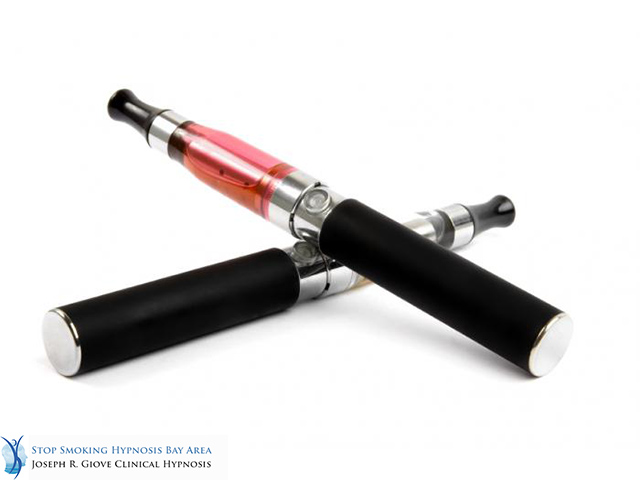
    The ‘E’ in e-cigarettes stands for ‘Electronic’, and they are battery operated heating devices that deliver flavored nicotine and other chemicals to the smoker using vapor instead of smoke. In most e-cigarettes, puffing activates the heating device, thereby releasing the vaporized, flavored liquid. This process is called ‘vaping’.

    It is the chemicals that are added to the e-cigarettes that are now being studied, and there are some surprising findings. e-cigarettes have only been on the market for a short time, and as such, not much is known about their long term effects. There have been many conflicting reports about e-cigarettes, but as more studies are done it seems the health risks are significant and troublesome.

    What the Report from the Hong Kong Baptist University Says about E-Cigarettes

    The recent report from the Hong Kong Baptist University states that e-cigarettes are significantly more dangerous to your health than had been previously thought. More and more tests are being conducted to examine the health risks of using e-cigarettes, which are often marketed as a way to quit smoking conventional cigarettes.

    These studies have been yielding some troubling results. There is a significant amount of polycyclic aromatic hydrocarbons, or PAH’s, in the most common e-cigarettes. PAH’s are a byproduct of burning petroleum, which can be detected in the air alongside streets and highways and are measured as a way to determine a city’s pollution level. An assistant professor of biology at the Hong Kong Baptist University was quoted saying to the South China Morning Post: “(The Level of PAH’s) in e-cigarettes is at least one million times more than roadside air in Hong Kong.”

    The Chemicals Involved in E-Cigarettes: By the Numbers

    The health effects of e-cigarettes are only just now being studied, and because of their relative newness, their long term effects cannot be accurately projected. However, the studies that have been done are producing some alarming results. While “vaping” appears to make the smoke less concentrated, it is still full of nicotine and carcinogens.

    A recent study by the Hong Kong Council on Smoking and Health analyzed 13 different types of e-cigarettes and found an array of dangerous chemicals:

    • Levels of PAH’s ranging from 2.9 to 504.5 nanograms per milliliter
    • Benzo(a)pyrene, a carcinogenic substance found in PAH’s, which, among other things, is a promoter of cancer cells.
    • A chemical called polybrominated diphenyl ethers, or PBDE’s, which is a flame retardant.

    The addition of flame retardants to E-cigarettes is because they use heat to produce the vapor, and therefore need a flame retardant to keep them from catching fire or even exploding. PBDE’s are more commonly used in furniture and electronics for the purpose of inhibiting fire, and were detected in e-cigarettes in the range of 1.7 to 1,490 nanograms per milliliter.

    For comparison, conventional cigarettes were in the range of 5.6 to 6.3 nanograms per milliliter of PAH’s. This means that some brands of e-cigarettes have 250 times more of this chemical, which promotes toxicity of the reproductive system and disrupts the thyroid hormone, than conventional cigarettes.

    E-Cigarettes and their Popularity Amongst Youth

    One of the main attractions of e-cigarettes is that the consumer can choose one or even a combination of flavors. Some of these flavors include: Lazy Hammock, Afternoon Delight, Third Base and White Gold. If you have ever gone to a bakery or a cocktail bar you can imagine the amount of flavors there are to choose from. Because of the near endless combination of flavors with fun names, e-cigarette companies are able to market to much younger potential consumers than conventional cigarettes. Youth are able to choose from flavors such as: Cupcake, Cotton Candy and Fruit Squirts.

    Here we can see clearly that the big tobacco companies are targeting a youthful audience, possibly even younger than 18 years of age. The University of Hong Kong found that smokers aged 15-29 used e-cigarettes nearly 8{cb12661b2b7fd86e618703ac3a1bf5df9897d897450d7668a57e7745cc225577} of the time, which is significantly higher than users of any other age group.

    Public Knowledge of E-Cigarette Dangers

    In the same University of Hong Kong study, they found that 68{cb12661b2b7fd86e618703ac3a1bf5df9897d897450d7668a57e7745cc225577} of people surveyed in a six month study had absolutely no knowledge regarding the chemicals they were inhaling into their bodies. More research about the long term effects of e-cigarettes needs to be conducted, and more government regulations need to be enforced.

    So far 16 countries have banned the sale, advertising, distribution, import and manufacturing of e-cigarettes. Studies from the Harvard School of Public Health are now finding that e-cigarettes and their flavoring are causing severe respiratory diseases due to the harmful chemical diacetyl, which is found in 3 quarters of all e-cigarettes. Diacetyl is a flavoring chemical used in e-cigarettes and their refill cartridges whose purpose is to appeal to a broader audience by enhancing flavor.

    The fact of the matter is that e-cigarettes are still very new, and not enough is known about long or even short term health risks. Nevertheless, they are extremely popular, especially among youth despite their potential dangers.

    Hypnotherapy and How It Will Help You quit smoking

    There are many options on the market aimed at helping people quit smoking, but it has not yet been proven that e-cigarettes are a viable alternative to smoking, or that they provide any help for those wishing to quit.

    There are both psychological and pharmaceutical methods available to aid in this endeavor, but so far the method with the least side effects and highest efficacy is clinical hypnotherapy. Joseph R. Giove has been successfully practicing hypnotherapy for over 25 years, and knows that its power can help you quit smoking forever. It’s time to live a healthy, smoke-free life, and e-cigarettes are certainly not the way to accomplish this.

  • Do Your Lungs Hurt When You Quit Smoking?

    For people who are trying to quit smoking, fear of coping and functioning without the addiction can be one of the greatest challenges to success. However, it is also important to note that the better a person’s health literacy and their understanding of the impacts of behaviors on the body, the better they are also able to make conscious choices for health and wellness.

    One thing that is very important to be aware of regarding smoking is that it presents psychological, physical, and physiological dependence for most people. As a result, overcoming all these challenges at once can be overwhelming, but that does not mean that success is impossible. The use of hypnosis when quitting smoking can address emotional and some physical factors that patients face, and calling 866-863-4669 or emailing Joseph R. Giove at Stop Smoking Hypnosis Bay Area can get smokers who want to quite get started with the process.

    The actual physiological changes that happen when a person quits smoking are a series of steps that the body will need to undergo as it returns to balance and health. To this end, there can be some factors of detoxing that smokers may not realize. However, the body is very efficient and effective in wanting to return to a natural state of wellness, and hypnosis with quitting smoking can even help to facilitate this factor.

    Getting Rid of the Sludge

    Perhaps the two most important points about physiological changes are also in regards to the specific types of toxins that are being eliminated. Obviously, differences in metabolism and overall health can impact how long it takes for the body to clean out, but as long as no more is consumed, nicotine will leave the system in an average of between 5 to 10 days. This also further indicates that while the physiological addiction to nicotine is as strong as that for opiates, it not only clears the system fairly quickly, but it also does not leave a lasting damage to the nerve receptors.

    Technically, this does indicate that if a person can make it through the first week of not smoking, then they are also no longer physiologically addicted. However, this is where the emotional and physical aspects come in as challenges. These can also be further exacerbated by the actual sensations of detoxing from nicotine, which can include:

    • Chills and aches
    • Flushing
    • Excessive sweating
    • Irritability
    • Erratic heart rate
    • Blood pressure variations

    What is very positive to note is that once nicotine is out of the body, these effects subside and eventually disappear once the body has regained balance. As cigarettes also contain a number of other chemicals, this detox period will also include their expulsion, usually through the skin. Some people will experience mild blemish break-outs or an acrid body odor as this happens, but this is also a temporary state on the path to health.

    The other major issue with detoxing from smoking is the smoke itself, or more specifically, the tar that it forms in the lungs. Once a person has stopped adding further toxins to the lungs, these organs will also begin get rid of the toxins that have built up there. While this process can feel exhausting and can even evoke fear, it is always important to remember:

    • The body has an innate ability to heal
    • The mind supports this process

    Bearing these concepts in mind can also help to support the overall process of quitting.

    Regardless of how long a person has smoked, tar will begin to build up in the lungs and this both impairs the cilia in the respiratory tract and also hardens and deflates the alveoli, which is what makes it so difficult to breathe when one is a smoker. This also means that the lungs are only functioning at partial capacity, even though they may be working much harder to do so.

    Once a person has quit cigarettes, the lungs will begin to heal, but there can be several steps to this. An initial experience that nearly all people who have quit will have is that coughing and the expulsion of sputum will increase considerably for up to several weeks. This is a combination of the lungs beginning to strengthen and rebuild capacity, as well as the cilia regaining mobility in order to move mucus and debris out of the respiratory tract.

    For some people, this part of the healing process can be uncomfortable, especially as increased coughing will create a sensation of soreness, throughout the chest and core region. More often, people will feel a greater amount of pain in the diaphragm than in the lungs, as this is a foundation for clearing the lungs. However, once this stage has passed, there can be other healing factors that will be felt.

    Once an excess of mucus and some of the tar has been expelled, the alveoli are also able to re-expand. What happens is that smokers have grown so used to shallow breathing that once the body begins to regain balance, and have the ability to expand the lungs more fully, a sensation of pain may be felt in the organs. Although this can be a disconcerting feeling, and can even leave people “feeling” that they are out of breath, these individuals are actually breathing better, getting more air, and expanding the lungs to their actual capacity.

    It can be helpful to think of the lungs hurting when you quit smoking in the same manner that you would regarding starting to work out after a period of inactivity. The muscles will hurt because they are actually being used, and this is the same for the lungs. This also means that the more you work your lungs out, the less the pain will be present.

    Knowing more about quitting and what to expect can greatly facilitate the ability to finally be able to stop smoking. Calling 866-863-4669 or emailing Joseph R. Giove at Stop Smoking Hypnosis Bay Area will also provide more information on healthy solutions, and can get you started on rebuilding your body from the inside out.

  • Tip-5: When You Quit Smoking Cigarettes

    My name is Joseph Giove. I’m a biomedical engineer and a clinical hypnotist. I’ve helped thousands of people stop smoking over the last twenty five years. I created this video series to help you become free of the habit an addiction of smoking cigarettes.

    So what happens when you quit smoking? On my website:

    You will find information from the American Cancer Society that shows what happens minute by minute, hour by hour, day by day, year by year, after you stop smoking.

    The good news is they say that within ten to fifteen years after you stop smoking your chances of chronic illness from smoking reverts back to as if you never smoked. I believe you can shorten that time period considerable by becoming proactive in your recovery.

    This is more noticeable in the first few days after you quit. Within two to three days your risk of heart attack or stroke drops tremendously. Your blood pressure drops, your breath smells better, your skin smells better, numerous things happens within a very short period of time. And of course, within two to three days all the nicotine leaves your system.

    So the next question becomes: “how do you become proactive in your recovery?” It is good to quit smoking but in my view it is only going half way. The other half is becoming active in detoxifying and helping your cardiovascular and respiratory system recover. How you do this is by very deliberately detoxing after you quit: drink lots of water, get lots of exercise, sweat, do a liver cleanse, do a cellular cleanse. Lose weight because toxins are storage in the fatty tissue of your body. Replenish your body nutritionally with a whole host of minerals and vitamins. Get on a good, solid, super nutritional diet. Eat the right foods and this will help shorten that recovery time considerably.

    Shoot for, let’s say, five to seven years, depending on how long you smoked and how much you smoked, to fully recover from cigarette smoking…and you can do it! The best way to do it is to begin now, get going right now.

    Take action now to be free. If you need assistance, I help people all over the world through phone sessions and private sessions at my clinic in Northern California. Feel free to call my office at 925-215-4017 or contact me here and get ready to enjoy your freedom.

    Watch this Video on YouTube

  • Tip-6: Why Stop Smoking Cigarettes

    My name is Joseph Giove. I’m a biomedical engineer and a clinical hypnotist. I’ve helped thousands of people stop smoking over the last twenty five years. I created this video series to help you become free of the habit an addiction of smoking cigarettes.

    “Why should I quit smoking cigarettes?” Most people understand that smoking cigarettes is not good for them and they really don’t want to look all the negative aspects of smoking cigarettes because they already know them. But it is worth it, right now, to spend about a minute just hearing what is in cigarette smoke. Not because you don’t already know it, but because the process of becoming addicted negatively influences the reward center in your brain.

    The bottom line with most addictions is they create a cross-wiring in the brain that causes us to feel reward for damaging or harming ourselves. That is a very risky proposition. So understand what is in cigarette smoke, the estimate is that there are over 4,000 poisonous chemicals in every puff of a cigarette.

    On my website there is a list of the six hundred legally allowed additives in a cigarette. There are processing chemicals; and flavoring enhancers, which make the cigarette burn better, smell better, taste better, burn longer. In addition to that you have herbicide and pesticide residues on the tobacco leaves, processing agents in the factory, bleaching agents for the paper, and then all this is wrapped together and then lighted on fire. This is what creates the smoke, and is how they come up with the estimate of 4,000 poisonous chemicals. Even if you smoke so called organic tobacco like American Spirit you are still getting probably over 2,000 poisonous chemicals instead of 4,000, still not good for you.

    You want to detoxify yourself that is why it is important to understand what you have been doing to yourself so the when you quit you can rapidly detoxify yourself, and revert, relatively quickly, back to as if you never smoked.

    Let’s stop separating the consequence of smoking from the action of smoking. Understand what it is that you are doing to yourself at a very deep level and then make the decision right now, today, to quit.

    Take action now to be free. If you need assistance, I help people all over the world through phone sessions and private sessions at my clinic in Northern California. Feel free to call my office at 925-215-4017 or contact me here and get ready to enjoy your freedom.

    Watch this Video on YouTube

Call Now Button