Tag: Cigarette Use

Cigarette use has many adversary effects. Find out what you can do to get healthier and live longer with hypnotherapist Joseph Giove. Call 925-215-4017 now.

  • Help! I Have Chest Pain After Quitting Smoking

    Help! I Have Chest Pain After Quitting Smoking

    There are many side effects that come along with quitting smoking. One of the side effects is having chest pain for a period of time after you have your last cigarette. The body goes through a wide range of changes when quitting smoking. These are known as nicotine withdrawals.

    When quitting smoking, your body will try to get back to the normal state it was in before it had to process the chemicals and carcinogens that the body absorbs when smoking. This means that the body will be trying to expel the toxins that have been building up inside it. One of these withdrawal symptoms comes in the form of chest pain.

    This article will discuss some of the symptoms related to quitting smoking such as chest pain. It will also discuss the potential severity of this pain and what you should do to treat it. Sometimes chest pain from quitting smoking can be very mild, but other times it could be quite severe, possibly indicating angina or even cancer.

    What is Causing the Chest Pain After Quitting Smoking

    When someone quits smoking, their body and mind sometimes go through very serious withdrawals. These withdrawals can include chest pain, coughing, and soreness of the lungs. Sometimes when people have been coughing a lot, their bodies are sore throughout the chest and back region.

    Some people can feel that their lungs are hurting. Depending on how long you have smoked cigarettes for, this pain could go on for months. However, this pain will most likely subside as long as you keep being smoke free.

    This pain is a result of your body trying to get rid of unnatural chemicals in it that were put there by smoking cigarettes. The lungs and heart have to work harder when you smoke cigarettes. They are now working even harder to clean themselves. This can be very distressing to the body and can cause chest pain.

    The lungs are also trying to get rid of mucus and other harmful bacteria that have been building up in the lungs, which is most likely a cause of any chest pain being felt. The body has a natural healing process but it does take time. Most smokers who quit abruptly will experience coughing, lung and chest discomfort, and other nicotine withdrawal symptoms. Once the lungs clean themselves of the toxins, the chest pain should subside.

    Another reason for chest pain immediately after quitting smoking can be attributed to the fact that your blood vessels are still constricted. This could certainly trigger chest pain because your heart is not pumping blood to all your organs properly. This is another withdrawal symptom that will clear itself over a short period of time being nicotine free. If you do have constant chest pain, see a doctor immediately because the pain could indicate a more severe health concern.

    Angina Pectoris

    Angina pectoris is most commonly known as angina. It means that there is an obstruction or spasm of the coronary arteries, causing the heart to not get enough oxygen to function properly. These episodes of angina do not normally last more than five minutes but they are still very serious, and can be scary.

    Smoking can cause the arteries in the chest and heart to constrict and limit blood and oxygen flow to the rest of the body. Smoking is the number two cause of angina. The first is age, and currently there is nothing we can do about that!

    There are many symptoms that can precede angina, and they can develop very quickly. If you feel you have chronic chest pain or exhibit any of the following symptoms consult a doctor right away. These symptoms include:

    • Chest discomfort – described as heaviness, pressure, tightness, squeezing, or a choking sensation in the chest
    • Back pain
    • Jaw pain
    • Shoulder pain
    • Neck pain

    Angina pectoris is a very serious condition and if you feel any of these symptoms you should go a doctor immediately. Quitting smoking will decrease your odds of getting angina pectoris dramatically.

    Chest Pain

    Cancer

    Cancer comes in as the most dangerous diagnosis for chest pain after quitting smoking. There are many forms of cancer that are caused by smoking cigarettes but the most common is lung cancer.

    Of diagnosed cases in the United States, 8 in 10 are people over the age of 60 and most of them are smokers. This means if you are older, have been smoking for a long time, and are having chest pain, you should speak to your doctor right away. The sooner the cancer is detected, the better chance it can be slowed or removed altogether.

    An early warning sign of lung cancer is lung, chest, or back pain. If the pain is persistent, and you are still coughing after 3 months, make sure to have your chest looked at by a doctor to rule out cancer.

    Clinical Hypnosis and Hypnotherapy

    There are many, many negative effects of smoking, with heart problems and cancer right at the top. If you are having any chest pain due to the fact you have quit smoking you should see your doctor immediately. Most of the time it is the body trying to clean itself from the toxins of smoking cigarettes, but it is always a good idea to make sure!

    Joseph R. Giove has over 30 years of experience helping people quit smoking using Clinical Hypnosis and Hypnotherapy. He uses no chemicals or carcinogens as some other quitting aids do, only the natural power of the mind. As a certified Clinical Hypnotist, he can help you cope with any temporary chest pains and relax your mind about any other withdrawal symptoms you may be experiencing.

    Quitting smoking will give you a longer and healthier life. There might be some discomfort as you go through the nicotine withdrawals but it will definitely be worth it in the end!

  • Quitting Smoking Makes Me Itchy – What’s Going On?

    Quitting Smoking Makes Me Itchy – What’s Going On?

    When people quit smoking, they begin to go through withdrawal symptoms that can range from quite mild to more severe. The body is going through these changes because it is trying to get rid of all the harmful chemicals put into it over the years from smoking cigarettes.

    This article will discuss why someone who is quitting smoking gets itchy, the most common places on the body that get itchy, ways to counteract some of the itchiness, and how Joseph R. Giove can help ease the itchiness symptoms with Clinical Hypnosis and Hypnotherapy.

    Why Does Quitting smoking Make Me Itchy?

    When a person has smoked for a long period of time their body gets used to the nicotine and other carcinogens that are inhaled from cigarette smoke. Once those chemicals are taken away, the body and mind have to compensate which then presents withdrawal systems.

    One of those symptoms is itching all over the body. The body is trying to revert itself back to normal and is drying out the skin in order to do so, causing topical skin discomfort. Fortunately, this symptom is temporary and will only last a few weeks. If the itching persists longer than a month, consult a doctor because that could mean a more serious condition, such as allergies or an underlying illness.

    The Most Common Places That Get Itchy

    As the body is ridding itself of the many years of poisons that came from smoking, some rashes, dry skin, and blotches may present themselves. While these skin irritations are annoying to say the least, they are temporary and will go away as long as you remain cigarette free.

    Some of the most common places that people get itchy are:

    • Face
    • Ears
    • Scalp
    • Arms
    • Legs
    • Feet

    The extremities are the most common places for itching because they have the weakest defence systems. They are the farthest away from your heart and other organs that fight off diseases.

    However, some people do experience an overall body itch that makes it feel like your skin is crawling. While some of this is caused by your dry skin, it is also in your mind. There are psychological factors associated with quitting smoking as well.

    While people can develop a rash anywhere, the extremities are the most common places and are easily treatable. Should a rash persist for more than a month, or is in a place that makes you really uncomfortable, see a doctor right away.

    Moisturizers Can Help Combat Itchiness

    Ways to Counteract Some of the Itchiness

    The best ways to counteract the itching from quitting smoking is to use the same methods that nonsmokers use for these problems. For example, when people get dry skin they use a moisturizing lotion to get the skin back to normal. Dry, itchy skin is common for people when they quit smoking so finding a really good moisturizing lotion is really going to help. The same goes for an itchy scalp. Try a stronger, moisturizing shampoo to get rid of the dry, itchy skin. Coconut oil can also help, and can be applied to all areas of the body, including the scalp.

    Some people often get blemishes or acne on their face or other areas. Revert back to your teenage years and use what worked for you then! The best way to clean your face is with regular soap and warm water because it doesn’t add any more oils to your skin than are needed.

    If you are itchy in more than one place, then a nice warm bath will help you to relax. Try adding some anti-itching scents or liquids such as honey and cinnamon. This will also help your mind relax so you won’t be thinking about itching.

    With the skin crawling issue, sometimes an antihistamine like Benadryl can help ease the itching. However, if it is more of a psychological problem than physical symptoms, then doing an activity to take your mind off the itching is the best way to go. Some good ways to keep busy are:

    • Exercise
    • Reading
    • Going out with a friend
    • Concentrate on a work project

    However you decide to counteract the itching that is happening from quitting smoking, make sure you stick with it and find the best way to stop the itch. If you stick with it, the itch will eventually subside and you will be much happier! And remember not to scratch!

    Clinical Hypnosis and Hypnotherapy

    Quitting smoking can be very difficult and stressful. The body goes through many stages of withdrawals, some are mild and some are more severe. One of these symptoms can be constant itching. If the itching is mild and manageable then simply prepare yourself with lotions, creams, and soaps and do the best you can. The itchiness will only last a few weeks. If the itching becomes too intense you might have to see a professional.

    Joseph R. Giove is a certified Clinical Hypnotist with over 30 years of experience helping people quit smoking. He uses the power of the mind to help people break the habit of smoking and help keep them smoke free. Using his techniques will help relax the mind and let you cope with withdrawal symptoms such as intense itching much easier!

  • Why Do People Smoke Cigarettes?

    Why Do People Smoke Cigarettes?

    Everyone knows that cigarettes are nicotine filled, cancerous, disease causing sticks of tobacco. There are warning labels, educational films, pictures, stories, movies, lawsuits, and everything in between to tell the public that cigarettes are dangerous. So why do people smoke? This article will discuss the origin of cigarettes, the ways people start smoking cigarettes, why they continue to smoke cigarettes, and how hypnotherapist Joseph R. Giove provides the best way to quit smoking.

    How it All Started

    Tobacco was the first crop grown in North America for money in Jamestown, Virginia in 1612. The cash crop paid for the American Revolution and was even grown by George Washington himself. By the 1800’s people were chewing and smoking small amounts of tobacco, then, the first commercial cigarettes were sold in 1865. In 1881 the first cigarette making machine was invented and soon it was producing 1 billion cigarettes per year.

    Today, governments are restricting the smoking of cigarettes in every way that they can.

    With all these restrictions and warning labels, the public is still continues to smoke cigarettes. This begs the question, why?

    Peer Pressure to Smoke Cigarettes

    The most common reason for people to start smoking is peer pressure. By far, peer pressure is mostly focused on teenagers and their confused, hormone addled state of mind. Young people that are no longer dependant on their parents and starting out in the world on their own are ripe for being pressured into smoking.

    Some are looking to fit into a group that already has smokers, others are looking to try something new or rebellious, and others are looking to prove that they are not afraid to do something dangerous.

    Genetics

    The field of genetics can predict almost anything now days, but there is still not a clear link to a specific gene that leads to smoking. Rather, it is more like a number of factors such as ethnicity, and other health and social factors, plus genes that come together to make people susceptible to cigarettes.

    Parental influence is also a huge factor whether or not your child chooses to start smoking. Obviously, parents are the most influential part of a child’s life until they reach adolescence. A child with a smoking parent is twice as likely to start smoking than a nonsmoking parent.

    Other parental choices for their children are also factors such as having a relaxed attitude toward smoking instead of educating them on the dangers. Letting them watch movies and television that display smoking in a relaxed and ‘cool’ manner, will also contribute to the child pursuing smoking.

    Misinformation and Media

    People can easily be misled by advertising. In the past when tobacco companies were allowed to advertise on television and radio there would be ads depicting tobacco as giving people vitality, vigor and happiness. Even though those ads are long gone, the attempt to confuse the consumer remains.

    Cigarettes now have brands that say “light,” ”ultra light,” “low tar,” and “menthol.” These are designed to make people think they are somehow less harmful and will therefore decide to smoke those instead of “regular” cigarettes. This is a dangerous and misleading rationalization.

    The newest form of misinformation on the scene is the e-cigarette. This is a ‘vaping’ device that vaporizes a liquid and is inhaled. However, these liquids contain many chemicals including nicotine, glycerine, and other carcinogens found in cigarettes.

    The media, specifically television and film, have always been a major influence on the public in terms of smoking. If people, especially young people, see how actors, actresses, and models look when they are smoking, they are inclined to emulate the look. This has been going on since the advent of television in the 1950’s, when smoking was in its prime, and continues today.

    Personal Factors

    Everybody has stress in their lives. Some people decide to deal with their stress by smoking cigarettes. This is a tactic going back to the day of soldiers getting cigarette rations going off to war. While today’s stress levels are nowhere near the same, people with job or family stress often use cigarettes to “calm” themselves.

    Cigarettes are also used as a replacement for prescription medication that may not be available as needed. Anxiety, depression, and other mental illnesses are just some of the ailments that are perceived to be temporarily relieved by smoking cigarettes. This is because the nicotine ingested goes straight to the brain and releases endorphins.

    Quitting cigarettes can save your life

    Continuing To Smoke

    There are any number of ways that a person can start smoking but there is basically just one factor that keeps them coming back. Nicotine.

    Nicotine is a naturally occurring substance in tobacco and is the “active” ingredient in tobacco, much like THC is the “active” ingredient in marijuana. Small amounts of nicotine give the smoker positive feelings and takes away negative feelings. This is because the brain is being flooded with dopamine, and smokers will experience a small adrenaline rush.

    Nicotine reaches the brain very quickly after being inhaled but also wears off very quickly. This leads to the user wanting more and more and more.

    The body and brain then get used to the nicotine, which then requires more nicotine to feel the same effect as previously received. These are called cravings and they get more intense as the body gets used to the nicotine being ingested.

    Clinical Hypnosis and Hypnotherapy

    Though there are many factors that contribute to people’s decision to start to smoking and quit smoking; there are far many more reasons to quit smoking.

    Smoking cigarettes, or any other form of nicotine, is extremely hazardous to a person’s health. The chances of developing emphysema, bronchitis, disease, cancer, and heart disease increases significantly the longer a person smokes. Quitting smoking is the only way to stop the progression of these ailments and Clinical Hypnosis and Hypnotherapy is the best way to achieve this.

    Joseph R. Giove is a certified Clinical Hypnotist with over 30 years of experience helping people quit smoking, no matter how long they have been smoking for. His technique involves gently altering brain patterns so that a cigarette is no longer craved and eventually despised. There are no chemicals or carcinogens used as in other quitting methods, only the power of the mind. No matter if you have smoked for 30 days or 30 years, Joseph R. Giove and Clinical Hypnosis and Hypnotherapy can help you to achieve a smoke free life.

  • Smoking and Lung Cancer

    Smoking and Lung Cancer

    The link to smoking tobacco, cigarettes in particular, and lung cancer is widely known and has been heavily researched. Smoking cigarettes means ingesting some 4000 chemicals in addition to tobacco, and causes close to 90{cb12661b2b7fd86e618703ac3a1bf5df9897d897450d7668a57e7745cc225577} of its users to develop some form of lung cancer in their lifetime.

    Doctors use a term called ‘pack-year smoking’. This term refers to how many packs of cigarettes are smoked per day multiplied by the amount of years smoked. For example, if a person smokes two packs per day for 10 years, then they would be a 20 pack-year smoker. One in seven people who smoke at least two packs per day will die from lung cancer. If you are a 30 pack-year smoker then your risk of lung cancer is even higher. Clearly we can see that the more you smoke, the higher your risk. However, it is important to note that smoking is dangerous at any pack-year level, and that there is actually no safe amount that you can smoke without increasing your risk of contracting lung cancer.

    Smoking cigarettes in any quantity means that you will be twenty five times more likely than nonsmokers to have lung cancer. The risks posed to those who smoke cigars or pipes can be less, but are nevertheless five times more likely to get lung cancer than a nonsmoker.

    Smoking and Chest Pain

    Smoking cigarettes is hands down one of the most dangerous things a person can do to their body. A common misconception is that smoking only affects the lungs In reality, it affects all muscles in the body including the biggest muscle: the heart. The lungs are in charge of taking in the oxygen the body needs in order to function, and muscles in particular rely heavily on this. Often times smokers will experience tightness, or even pain in their chest area after smoking a cigarette. Many smokers wonder why this is, and the answer is that your heart isn’t getting enough oxygen in order to function properly.

    Smoking cigarettes causes the following to happen to your heart:

    • Hardening of the arteries
    • Reduction of blood flow
    • Increased blood pressure
    • Buildup of cholesterol
    • Increased chance of blood clots
    • Increased chance of heart attack and stroke

    If chest pains are a common occurrence after smoking a cigarette, or anytime for that matter, then you should consult a physician. What the doctor will most likely tell you is to quit smoking immediately or be at significant risk for a heart attack. The most painless and chemical-free way to quit smoking is with Clinical Hypnosis and Hypnotherapy. Joseph R. Giove is a certified Clinical Hypnotist who can help you ease you into the life of a nonsmoker.

    The Types and Stages of Lung Cancer

    Lung Cancer is commonly broken down into two main categories:

    • Small Cell Lung Cancer (SCLC)
    • Non-Small Cell Lung Cancer (NSCLC)

    Small Cell Lung Cancer is found in about 15{cb12661b2b7fd86e618703ac3a1bf5df9897d897450d7668a57e7745cc225577} of all lung cancer patients in the United States. Small cell is categorized as a cancer that is only found in one side of the chest, usually just one lung and the lymph nodes around it. This is called the limited stage. The next stage is called the extensive stage which involves the spread of cancer to other areas of the body.

    Non-Small Cell Lung Cancer is the more commonly found form, and it is prevalent in the other 85{cb12661b2b7fd86e618703ac3a1bf5df9897d897450d7668a57e7745cc225577} of all lung cancer patients. This type breaks down into the following categories:

    • Adenocarcinoma – the most common form of lung cancer
    • Squamous Cell Carcinoma – second most common form of lung cancer
    • Large Cell Carcinoma – accounts for ten percent of all lung cancer cases

    These categories can be further broken down into four stages:

    1. Cancer is detected only in one lung
    2. The cancer has spread from the lung to the nearby lymph nodes
    3. The cancer has spread to the middle of the chest. This comes when the cancer has spread around the collarbone and the opposite side of the chest
    4. The cancer has spread to both lungs, the fluid around the lungs, and other vital organs. This is called the ‘Advanced Disease’ stage.

    Cigarette Smoke Can Cause Lung Cancer

    Symptoms of Lung Cancer

    While only an in-person checkup with your physician can tell you the extent of the damage caused by smoking cigarettes, there are some symptoms that could give you an indication that you should talk to your doctor sooner than later. Additionally, consulting with a professional smoking cessation professional such as Hypnotherapist Joseph R. Giove can help the transition to a smoke-free lifestyle.

    There are several symptoms that can be indicative of lung cancer, and any of these symptoms should prompt you to seek medical advice as soon as possible. Some of these symptoms include:

    • Intense and prolonged coughing
    • Shortness of breath
    • Chest pain
    • Harsh sounds when breathing or talking
    • Bronchitis
    • Pneumonia
    • Coughing blood

    These symptoms occur in the lungs but there are others that can occur in places other than the lungs. Fatigue, blood clots, and loss of weight and muscle are some of these symptoms.

    Clinical Hypnosis and Hypnotherapy

    There are many, many medical studies that clearly show the link between smoking nicotine and its effects on the body, particularly lung cancer. Lung cancer is one of the most frightening outcomes of smoking, and it affects an alarming percentage of all smokers, 90{cb12661b2b7fd86e618703ac3a1bf5df9897d897450d7668a57e7745cc225577}. Lung cancer can affect anyone who smokes cigarettes, but increases in probability the more cigarettes smoked per day and of course the length of time spent smoking. This means that you have a 90{cb12661b2b7fd86e618703ac3a1bf5df9897d897450d7668a57e7745cc225577} chance of contracting lung cancer if you smoke and a 1 in 7 chance of dying from it if you smoke heavily for an extended period of time.

    Joseph R. Giove is a certified Clinical Hypnotist with a proven track record of helping people quit smoking without any of the harmful chemicals and carcinogens that are often found in other ‘stop smoking’ methods. Quitting smoking today has been proven to add on average up to 17 years to your life, and Joseph R. Giove can help you achieve your goal.

  • Does Nicotine Cause Vasoconstriction Or Vasodilation?

    Does Nicotine Cause Vasoconstriction Or Vasodilation?

    At this point, pretty much everyone can agree that smoking is incredibly bad for your health – even the cigarette companies themselves have resigned themselves to this indisputable truth. But a surprising number of people who visit me here at Joseph R. Giove Clinical Hypnosis don’t seem to fully understand just what the various chemicals and compounds in a cigarette do to their health.

    One perfect example is the primary reason that people smoke – nicotine. This highly addictive substance is what keeps people coming back to cigarettes, and is included in virtually any kind of retail level smoking cessation product, from electronic cigarettes to nicotine patches and beyond. Many people assume that this is the only danger associated with it – it hooks you on smoking so you keep coming back, and the tar and other compounds are what harm your health.

    But nicotine does indeed lead to some serious health issues, and one of the biggest is in its impact on the blood vessels and the circulatory system. This is something worth taking a closer look at so you can understand why nicotine is so dangerous to your health.

    Vasoconstriction or Vasodilation?

    The first thing to clear up what nicotine does to the vessels themselves. Nicotine is a vasoconstrictor that causes the blood vessels to shrink and tighten up. This in turn has a big impact on the blood pressure. Since vessels are smaller, blood pressure rises and brings with it a wide range of health risks.

    Left unchecked, high blood pressure can cause serious health problems, including damaged arteries, heart disease, metabolic syndrome, and more. Blood pressure alone is a major health risk, and enhancing its severity through the use of nicotine is something that should be avoided.

    As a vasoconstrictor, nicotine has this effect on the blood vessels no matter what form it’s ingested. In other words, whether you smoke, vape, or use a patch, the impact on your blood vessels and circulatory system as a whole is the same. Once the nicotine is in the bloodstream, it has this impact on your health.

    Smoking Restricts Blood Flow And Increases Blood Pressure

    What Will Vasoconstriction Do?

    I’ve already touched on the basic principle behind what a vasoconstrictor does in as much as it causes a narrowing of the blood vessels and an increase in blood pressure. But beyond that, what else will happen within the circulatory system when this occurs? Here are a few additional things to understand.

    • The heart must work harder now in order to pump blood through the body. As a result, your risk of developing heart and cardiovascular system related problems is dramatically increased due to nicotine use.
    • Nicotine also causes the body to release fat and cholesterol when it enters the blood stream. This means that you have an increased amount of cholesterol flowing through the circulatory system, which in turn means that there is an increased chance of your cholesterol levels building up.
    • That cholesterol problem is only made worse when you smoke. Carbon monoxide is found in every puff of a cigarette, and when you smoke and expose yourself to it, the carbon monoxide makes it easier for fat and cholesterol to attach themselves to your arteries.

    In short, when you use nicotine you’re not only causing the vessels to shrink directly, but also lead to long term damage caused by cholesterol.

    The Dangers Of Smaller Arteries

    Increased blood pressure is the obvious risk associated with narrowing of the arteries. However, it’s important to understand that when you shrink the size of your arteries you are in turn directly making it harder for your body to get the blood it needs.

    When a narrow artery leads to less blood flow through a particular body part, it means that the body part may not be able to work as it properly should. This is particular true of the brain. Narrowed arteries leading to the brain could restrict blood flow to it, and in the process may have a serious impact on your brain’s health. It can reduce mental function and even lead to permanent damage. This applies to any part of the body.

    Additionally, the heart must work harder to deal with the narrowed arteries and the increased blood pressure. In doing so, you increase the risk of a heart attack being caused by an overworked heart muscle. Simply put, using any kind of nicotine product can dramatically impact your health.

    Pregnant Women And Vasoconstriction

    It’s also very important to touch on the fact that pregnant women who smoke are placing their unborn child at very serious risk as well. The primary reason lies in the fact that a fetus gets all of its nourishment from blood vessels leading from mother to baby. When nicotine is used, those same blood vessels are narrowed just like any other in the body.

    This leads to fetal undernourishment and has been linked to a wide range of health problems for unborn children including:

    • Increased risk of obesity
    • Increased risk of diabetes
    • Increased risk of facial clefts
    • Brain development and metabolism abnormalities
    • Impaired orientation of the newborn
    • Increased chance of infertility later in life
    • Overall developmental toxicity

    In fact, for more than 20 years nicotine has been on the list of chemicals according to the state of California that has been proven to cause developmental problems in infants. As dangerous as smoking and nicotine use is for adults, it’s even more harmful to unborn children.

    Step Away From Nicotine

    Finally, I should point out that the damage done to the blood vessels is really only one part of what nicotine can do to your health. There are many other ways that it can damage your health and as such it’s important to take steps to free yourself from it entirely. Using e-cigs or patches can certainly help you stop smoking, but you need to get away from the nicotine entirely.

    It’s not always easy, but the power of hypnosis and your own willpower can certainly help. If you’re serious about improving your health and wellbeing, nicotine has to go.

  • Tip-17: Can I Quit Smoking Cigarettes?

    My name is Joseph Giove. I’m a biomedical engineer and a clinical hypnotist. I’ve helped thousands of people stop smoking over the last twenty five years. I created this video series to help you become free of the habit an addiction of smoking cigarettes.

    Yes. And is not hard when you approach stopping smoking the proper way. I know you have probably tried over and over again to quit smoking and have failed. That is only because you have not approached it the proper way. The proper approach is given in this video series and let me tell you straight up that you have not failed because you lacked will power or you are trying to kill yourself and any of that nonsense. You have not succeeded because you have not approached quitting smoking the right way.

    You have not recognized the power of your sub-conscious mind and habit-contribution to the process of smoking cigarettes. Recognize that belief and expectation are physiological. Your belief about quitting smoking becomes part of the physiological process of quitting. So first, before even you pick your quit day, adjust your belief so that you do believe you can quit smoking. You can do that because not a cell in your body wants another hit of nicotine poison.

    Your body has been trying to make you a non-smoker between every cigarette you have ever smoked. Just get over the fear, get over the fear of losing a so-called friend. That is it. You are not losing a friend. If a cigarette was ever a friend it is the worst kind of friend you could possibly have. One that told you it could do all these good things for you: help you get going in the morning, help you deal with stress and anxiety, help you deal with boredom. All that is the lie of addiction. Those are false associations.

    Just make up your mind to do it, get over the fear, believe you can and do it.

    Take action now to be free. If you need assistance, I help people all over the world through phone sessions and private sessions at my clinic in Northern California.Feel free to call my office at 925-215-4017 or contact me here and get ready to enjoy your freedom.

    Watch this Video on YouTube

  • Tip-30: A Hypnosis Session to Stop Smoking Cigarettes

    My name is Joseph Giove. I’m a biomedical engineer and a clinical hypnotist. I’ve helped thousands of people stop smoking over the last twenty five years. I created this video series to help you become free of the habit an addiction of smoking cigarettes.

    (more…)

  • The Nicotine Connection

    The Nicotine Connection

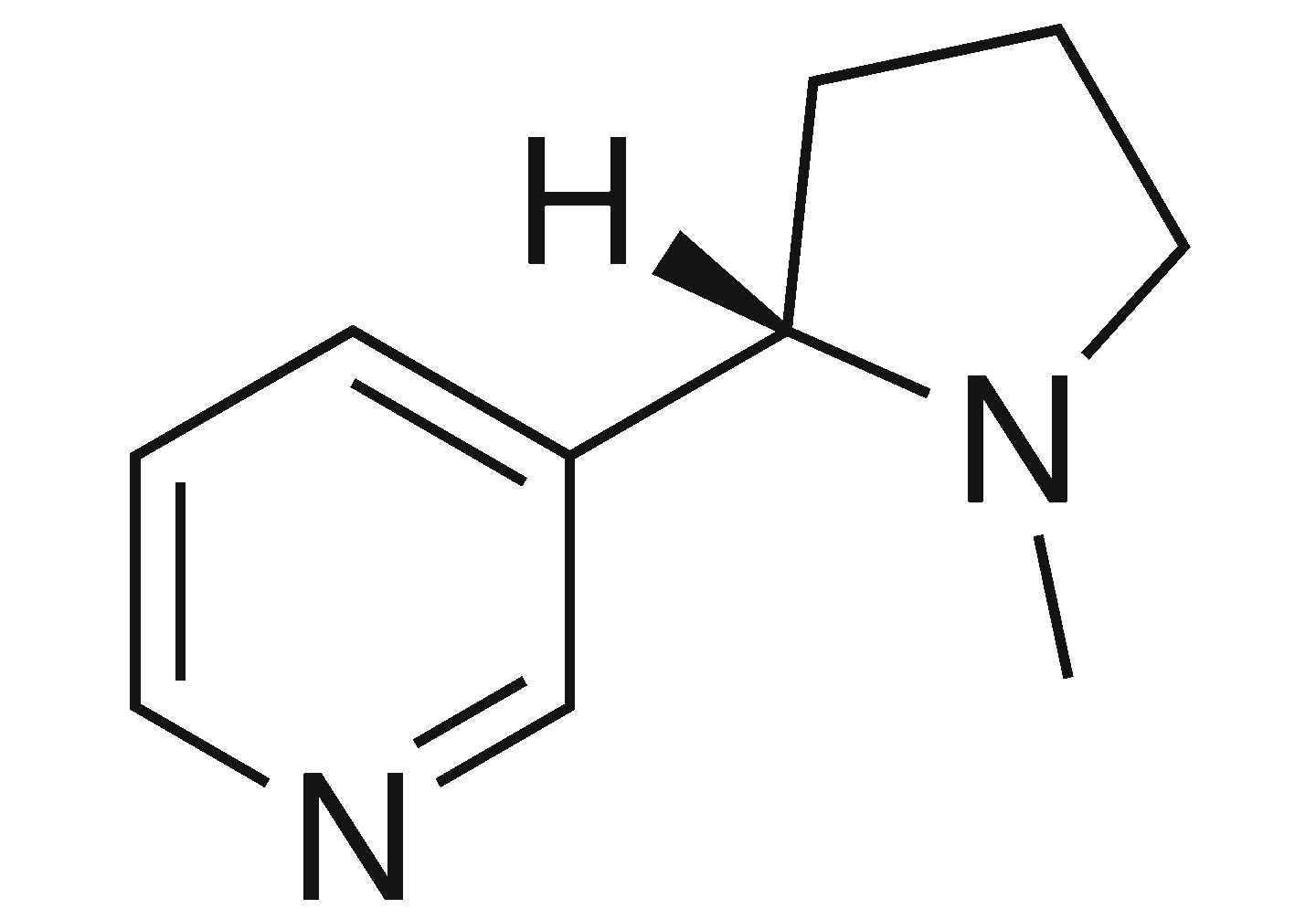
    Contrary to popular belief, nicotine is not a relaxant. It is a stimulant that actually makes the heart beat faster. It is also a poisonous alkaloid–so poisonous that a tiny part of a gram of nicotine will drop an elephant. Some people still use nicotine to kill animals.

    There are over 4,000 chemicals produced in the combustion of tobacco, and the chemical that gives you that “relaxed” feeling, is carbon monoxide–the stuff that pours out of motor vehicles. It over powers oxygen and deprives the blood cells and the brain of oxygen. Thus, smokers have slower mental reactions than non-smokers. The worst part is that oxygen and carbon monoxide together contribute to a hardening of the arteries, the underlying cause of heart attacks, strokes, and senility. Smokers also inhale hydrogen cyanide, arsenic, formaldehyde and tar, among others.

    Most programs fail because they cannot effectively deal with the patient’s belief that he or she is addicted to nicotine. The tremendous value of hypnosis is found in this respect. The power of hypnosis comes when the subconscious mind is redirected so that it no longer responds to the body’s signals for nicotine. When this is accomplished, problems related to the cessation of smoking are avoided.

    (more…)

Call Now Button