Tag: Health Quit Smoking

Improve your health, quit smoking. Clinical hypnotist Joseph Giove can help you down the road to a tobacco free life. Call his office at 925-215-4017.

  • Help! I Have Chest Pain After Quitting Smoking

    Help! I Have Chest Pain After Quitting Smoking

    There are many side effects that come along with quitting smoking. One of the side effects is having chest pain for a period of time after you have your last cigarette. The body goes through a wide range of changes when quitting smoking. These are known as nicotine withdrawals.

    When quitting smoking, your body will try to get back to the normal state it was in before it had to process the chemicals and carcinogens that the body absorbs when smoking. This means that the body will be trying to expel the toxins that have been building up inside it. One of these withdrawal symptoms comes in the form of chest pain.

    This article will discuss some of the symptoms related to quitting smoking such as chest pain. It will also discuss the potential severity of this pain and what you should do to treat it. Sometimes chest pain from quitting smoking can be very mild, but other times it could be quite severe, possibly indicating angina or even cancer.

    What is Causing the Chest Pain After Quitting Smoking

    When someone quits smoking, their body and mind sometimes go through very serious withdrawals. These withdrawals can include chest pain, coughing, and soreness of the lungs. Sometimes when people have been coughing a lot, their bodies are sore throughout the chest and back region.

    Some people can feel that their lungs are hurting. Depending on how long you have smoked cigarettes for, this pain could go on for months. However, this pain will most likely subside as long as you keep being smoke free.

    This pain is a result of your body trying to get rid of unnatural chemicals in it that were put there by smoking cigarettes. The lungs and heart have to work harder when you smoke cigarettes. They are now working even harder to clean themselves. This can be very distressing to the body and can cause chest pain.

    The lungs are also trying to get rid of mucus and other harmful bacteria that have been building up in the lungs, which is most likely a cause of any chest pain being felt. The body has a natural healing process but it does take time. Most smokers who quit abruptly will experience coughing, lung and chest discomfort, and other nicotine withdrawal symptoms. Once the lungs clean themselves of the toxins, the chest pain should subside.

    Another reason for chest pain immediately after quitting smoking can be attributed to the fact that your blood vessels are still constricted. This could certainly trigger chest pain because your heart is not pumping blood to all your organs properly. This is another withdrawal symptom that will clear itself over a short period of time being nicotine free. If you do have constant chest pain, see a doctor immediately because the pain could indicate a more severe health concern.

    Angina Pectoris

    Angina pectoris is most commonly known as angina. It means that there is an obstruction or spasm of the coronary arteries, causing the heart to not get enough oxygen to function properly. These episodes of angina do not normally last more than five minutes but they are still very serious, and can be scary.

    Smoking can cause the arteries in the chest and heart to constrict and limit blood and oxygen flow to the rest of the body. Smoking is the number two cause of angina. The first is age, and currently there is nothing we can do about that!

    There are many symptoms that can precede angina, and they can develop very quickly. If you feel you have chronic chest pain or exhibit any of the following symptoms consult a doctor right away. These symptoms include:

    • Chest discomfort – described as heaviness, pressure, tightness, squeezing, or a choking sensation in the chest
    • Back pain
    • Jaw pain
    • Shoulder pain
    • Neck pain

    Angina pectoris is a very serious condition and if you feel any of these symptoms you should go a doctor immediately. Quitting smoking will decrease your odds of getting angina pectoris dramatically.

    Chest Pain

    Cancer

    Cancer comes in as the most dangerous diagnosis for chest pain after quitting smoking. There are many forms of cancer that are caused by smoking cigarettes but the most common is lung cancer.

    Of diagnosed cases in the United States, 8 in 10 are people over the age of 60 and most of them are smokers. This means if you are older, have been smoking for a long time, and are having chest pain, you should speak to your doctor right away. The sooner the cancer is detected, the better chance it can be slowed or removed altogether.

    An early warning sign of lung cancer is lung, chest, or back pain. If the pain is persistent, and you are still coughing after 3 months, make sure to have your chest looked at by a doctor to rule out cancer.

    Clinical Hypnosis and Hypnotherapy

    There are many, many negative effects of smoking, with heart problems and cancer right at the top. If you are having any chest pain due to the fact you have quit smoking you should see your doctor immediately. Most of the time it is the body trying to clean itself from the toxins of smoking cigarettes, but it is always a good idea to make sure!

    Joseph R. Giove has over 30 years of experience helping people quit smoking using Clinical Hypnosis and Hypnotherapy. He uses no chemicals or carcinogens as some other quitting aids do, only the natural power of the mind. As a certified Clinical Hypnotist, he can help you cope with any temporary chest pains and relax your mind about any other withdrawal symptoms you may be experiencing.

    Quitting smoking will give you a longer and healthier life. There might be some discomfort as you go through the nicotine withdrawals but it will definitely be worth it in the end!

  • The Easy Way to Quit Smoking

    The Easy Way to Quit Smoking

    Quitting smoking is not an easy task, no matter how strong-willed a person might be. Nicotine is one of the most highly addictive substances in the world, and is comparable to being addicted to heroin. There are many different ways to try to quit smoking. Nicotine patches, gums, lozenges, or even the cold turkey method can work. Statistically, however, using Clinical Hypnosis and Hypnotherapy has the best odds for people to quit smoking for life. This article will discuss the different ways of quitting smoking, how effective they can be, and which method is best for each individual.

    The Nicotine Patch

    The nicotine patch is one of the most commonly used methods to try to quit smoking. It is a small adhesive patch that sticks to the skin and releases an amount of nicotine into the body that helps with nicotine cravings. The idea behind the nicotine patch is to give the body a regulated amount of nicotine to suppress the need to smoke cigarettes, and then gradually decrease the amount until it is no longer needed. These patches are available in different quantities of released nicotine, depending on how much and how long a person has smoked.

    Gums and Lozenges

    Gums and Lozenges offer the same type of nicotine replacement as patches, only they are used when the person feels a craving for nicotine, rather than having a consistent supply. Chewing gum or having a lozenge also has the benefit of giving the mouth something to do, other than smoking a cigarette. This method helps with both the physical addiction as well as the psychological need the brain develops after years of repetitive smoking actions.

    Effectiveness

    These methods of gradually weaning off of nicotine are the most popular, so it could be argued that they are the most effective. They don’t allow for the smoking of cigarettes, but nicotine and other chemicals are still being transferred into the body. This means that these methods are not necessarily the safest way to quit smoking, but can be the easiest.

    Fentanyl Patch

    The fentanyl patch is a prescription pain reliever that is narcotic based and can be extremely habit forming and even dangerous if not used in the proper doses. They have many dangerous side effects to your health including overdose, fatal breathing problems, and is fatal to children and adults if ingested or not placed on the skin properly. Only a medical professional can tell you if this is the right method of quitting smoking due to the potentially dangerous side effects.

    Nicotine patches are not the easiest way to quit smoking

    Cold Turkey

    The method of quitting cold turkey means to simply pick a day to stop smoking and then cease smoking all cigarettes and nicotine products, hopefully permanently, after that day. This is a popular method of quitting smoking in that there are no other chemicals or potentially expensive products needed, making it very cost effective.

    The downside of the cold turkey method is that the withdrawal symptoms can be quite intense, which will be discussed later in this article. With other methods there is a gradual withdrawal of nicotine from the system. This is not the case with the cold turkey method, and the shock of a lack of nicotine and other chemicals to the brain can cause some discomfort. According to the American Cancer Society, more than 80{cb12661b2b7fd86e618703ac3a1bf5df9897d897450d7668a57e7745cc225577} of people who successfully quit smoking have done so using the cold turkey method. However, most experts do not recommend this method as it is quite a shock to the system. In order to achieve this high effectiveness rate the smoker will require a tremendous amount of support from friends, family, and others in their lives.

    Nicotine Withdrawal Symptoms

    Nicotine is smoked or absorbed into the body in many ways. It provides a small stimulant in the brain and increases dopamine levels, giving pleasure. When you quit smoking and the brain no longer receives the nicotine and other chemicals, withdrawal symptoms can occur.
    These symptoms include:

    • Nausea
    • Cravings
    • Headaches
    • Irritability
    • Fatigue
    • Diarrhea
    • Constipation
    • Drowsiness
    • Insomnia
    • Depression
    • Lack of concentration
    • Increased hunger

    These symptoms can have varying degrees of intensity and length. Some symptoms are decreased using some of the quitting smoking methods seen in this article.

    Smoking While Pregnant

    Smoking in general is hazardous to a person’s health, but at least for the most part smokers are only affecting themselves. Smoking while pregnant is particularly harmful and can have serious side effects, not only to the mother, but for the baby as well.

    So what happens when a mother is smoking and is pregnant with a child? Nicotine, carbon monoxide, hydrogen cyanide, arsenic and many other harmful chemicals are released into the bloodstream of the mother when smoking. These chemicals are then transferred to the baby through the placenta and blood.
    There are many risks to both the mother and baby:

    • Increased chance of miscarriage
    • Premature birth
    • Stillbirth
    • Increased heart rate
    • Risk of Sudden Infant Death Syndrome (SIDS)
    • Respiratory problems
    • Birth Defects

    The best way for a mother to protect her child before, during, and after pregnancy is to quit smoking immediately. This will greatly reduce the chances of many problems and illness that can have an impact on the baby’s life forever.
    Using one or more of these methods to quit smoking is extremely useful in ensuring the mother and child’s health.

    Clinical Hypnosis and Hypnotherapy

    One of the most successful ways to quit smoking is by using Clinical Hypnosis and Hypnotherapy. This technique is more successful than other methods because it harnesses the power of the mind by gently changing brain patterns to allow the smoker to no longer crave cigarettes, or even to despise them.

    Joseph R. Giove is a certified Clinical Hypnotist with over 30 years of experience in this field. He uses no chemicals or carcinogens in the cessation of smoking. Only the power of the mind. Nicotine withdrawals can be quite harsh to some people and one way to calm these symptoms is to use Clinical Hypnosis and Hypnotherapy. It helps ease the overall intensity of the symptoms and relaxes the mind and body as to be as stress-free as possible when going through this difficult time.

  • Dangerous Things People Smoke Weed Out Of

    Dangerous Things People Smoke Weed Out Of

    Smoking weed is becoming more and more popular, not just with youth but with people of all ages. Weed, or marijuana, is also on the verge of becoming legal in much of the United States, as well as other countries.

    That being said, the long term health effects of smoking weed have not been fully studied as most people who smoke weed either lie about it or greatly understate how much they smoke. This is because marijuana is still a schedule 1 narcotic in most places, alongside heroin and acid, and many states still have fairly harsh penalties for marijuana possession.

    This article will discuss marijuana risks, the dangerous paraphernalia that can be used to ingest weed, the effects of smoking weed everyday, and how long weed stays in your system.

    The Risks of Smoking Marijuana

    There are health risks to ingesting smoke of any kind, and weed is no different. The tar that is ingested when the resin in weed is smoked has the potential to build up in the lungs. This tar is similar to the tar produced by cigarettes.

    While the tar produced from weed smoke is less than that of cigarettes, there is still a risk that the same kinds of nicotine cancers could develop. Long term health effects studies are currently ongoing and becoming more accurate as marijuana gradually becomes legalized and more prevalent in our society.

    Personal safety and well being is also something to consider when smoking weed because it is still illegal in most of North America and many other countries around the world. Procuring weed could prove to be risky as ‘dealers’ can be shady individuals and could potentially be carrying weapons.

    Transactions to buy weed can be dangerous

    Additionally, different States have different laws affecting those who get caught with weed. Some might have no charges for a small amount, while others may have incredibly strict laws with mandatory jail time.

    Some people choose to combine tobacco with weed and smoke it that way. This is obviously dangerous to your health and lungs because of the many risks associated with tobacco and nicotine use.

    Dangerous Paraphernalia Used for Smoking Weed

    Weed can be smoked or ingested in a variety of ways. Some of these methods are more dangerous than others. While there is no scientifically proven “safe” way to smoke weed, there are some that are more hazardous than others.

    Marijuana can be smoked in a rolled cigarette-type paper, called a joint, which is obviously the most common, but also through constructed “bongs,” “spots,” and “hash oils.”

    Smoking weed in a joint form is one of the safer ways, however there is the risk of a lit joint falling onto a bed or couch and causing a fire. This is also common in instances where people fall asleep while smoking cigarettes in bed, and the same danger applies with weed.

    Smoking weed through a bong is another common form that has become more popular over the years. There is a perception that it is “cleaner” than smoking a joint, mainly because of the smoking of paper and that joints looks like a cigarette. However, smoking through a constructed bong can be dangerous depending on what it is constructed of. One form a bong is the use of a sideways tin can whereby holes are poked through the side and the weed is smoked through the mouth of the can. This means that there are potentially harmful chemicals being ingested from the burning of metal.

    “Spots,” “dabs,” “knives,” and “hot knives” are all synonyms for a way of smoking weed by rolling small amounts of resin-rich weed and placing them between two hot knives. The smoke that then comes from the ‘spot’ is inhaled by the user.

    Another way to smoke “spots” is by using a pipe, either glass or plastic, and heating it with a blowtorch to produce the smoke. The dangers of using a blowtorch indoors aside, the ultra hot smoke is much more harmful to the lungs. Putting ice in the bottom of the pipe cools the smoke but still has the inherent dangers.

    There is also the danger of smoking through a plastic pipe which could melt and then the chemicals in the plastic would be inhaled. This method has been referred to as the ‘smoking crack method’ of smoking weed.

    The Effects of Smoking Weed Everyday

    Smoking weed everyday is dangerous to your health. As stated, smoking weed produces a tar that can build up in the lungs similar to smoking cigarettes and prolonged, steady use will only increase health risks in the lungs. Other factors of heavy weed use include:

    • Shallow Breathing
    • Increased Appetite
    • Dizziness
    • Dry mouth
    • Red eyes
    • Dilated Pupils
    • Lower Testosterone Levels

    How Long Does Weed Stay In Your System

    Unfortunately there is no exact scientific way to determine how long weed, or more specifically THC, will stay in your system. THC is the active ingredient in marijuana that gives the user a “high.” Other factors depend on how long you’ve been smoking weed, the amount of times per week, the amount smoked per day, as well as the body type and its metabolism. Below is an approximation of how long weed can be medically detected in the body’s urine:

    • Occasional Users – 4 – 8 days
    • Frequent Users – 10 – 25 days
    • Daily Users – Up to 63 days

    Clinical Hypnosis and Hypnotherapy

    The effects of smoking marijuana are still being studied but the ones that have been completed suggest that there are connections to memory loss, dementia, and schizophrenia. Weed is also an addictive and dangerous drug, perhaps not as much so as cigarettes, but the two share similar properties.

    Quitting smoking weed is different than quitting smoking cigarettes in that there are fewer treatments such as gums and lozenges, but the cravings will still be there. The most effective way to quit smoking, and deal with the cravings is with Clinical Hypnosis and Hypnotherapy.

    Joseph R. Giove is a certified Clinical Hypnotist and has over 30 years of experience helping people quit smoking. His methods are not intrusive and use no chemicals or carcinogens, only the power of the mind. By gently altering the brain patterns, the cravings can be subsided and the behavior towards smoking weed can be changed.

    With Clinical Hypnosis and Hypnotherapy. Joseph R. Giove can help you get on your way to a smoke free life.

  • How Many People Die From Smoking?

    How Many People Die From Smoking?

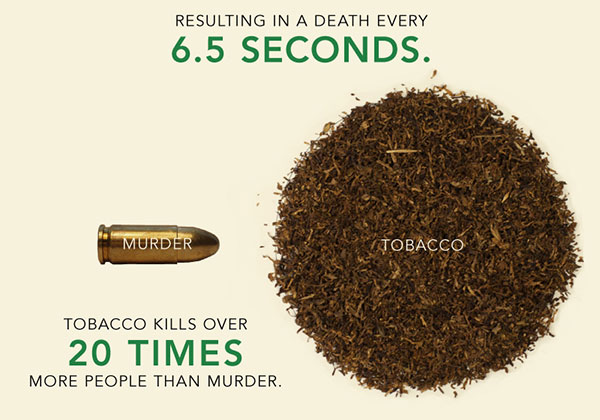
    Smoking causes more deaths per year than murder, suicides, AIDS, car accidents, and alcohol and drug use in the United States.

    This equates to more than 480,000 deaths per year. Most of these deaths are caused by the direct effects from smoking cigarettes. However, secondhand smoke is also a major factor in smoking related deaths and both will be discussed in this article.

    Another term for secondhand smoke is “passive smoke.” This is a term that has been created by the big tobacco companies in an attempt to soften the concept of “secondhand smoke.” Smoking related diseases such as cancer, lung disease (COPD) and heart disease are the major factors that contribute to this incredibly high number of deaths per year in the United States.

    This article will discuss these numbers, as well as worldwide statistics, secondhand smoke deaths, and how Clinical Hypnosis and Hypnotherapy can help decrease smoking related deaths.

    Smoking and Cancer

    Smoking cigarettes directly contributes to the development of cancer-causing cells. Nine out of ten instances of lung cancer are caused by smoking cigarettes.The damage done by smoking is two-fold, not only does cigarette smoke cause cancer, but it also weakens the immune system so the body cannot properly fight the damaged cells. The cancer can then spread freely throughout the body without being stopped by the body’s natural blocking systems.

    Over 7300 people die each year as a result of someone else’s smoking, whether by cancer or any number of other smoking related diseases. Secondhand smoke is an entirely preventable problem, and help to quit smoking is always available. Joseph R. Giove can help curb this epidemic using Clinical Hypnosis and Hypnotherapy, one of the most effective methods of smoking cessation.

    Smoking Deaths

    In the United States alone, 480,000 people die each year from smoking and smoking related illnesses. Despite the numerous warning labels, advertisements, public service announcements and disclaimers on cigarette packages, the death toll nevertheless continues to increase every year.

    The US government has put in place enhanced regulations to restrict cigarette advertising in television, movies and print, and they might have helped. However, these restrictions have forced the American tobacco companies to go overseas and prey on developing countries in order to sell their products.

    According to the American Cancer Society, approximately 6 million people worldwide will die this year due to tobacco use. By 2030, that number will be 8 million. These numbers are appalling in of themselves, but here is an even more appalling number: 83. That is the percentage of the 8 million people who will die that reside in low- and middle-income countries.

    Just because the advertising restrictions are working in the United States doesn’t mean it is being applied elsewhere. Tobacco companies are clearly preying on lower-class families around the world.

    Secondhand Smoke Deaths

    Of the 480,000 deaths in the United States, nearly 48,000 were caused by secondhand smoke. Merriam-Webster’s Dictionary and Thesaurus defines secondhand smoke as “tobacco smoke that is exhaled by smokers or is given off by burning tobacco and is inhaled by persons nearby.” According to the Center for Disease Control (CDC) when children are exposed to secondhand smoke they can experience the following conditions:

    • Ear infections
    • Increased risk of Sudden Infant Death Syndrome (SIDS)
    • Frequent and severe asthma attacks
    • Coughing and shortness of breath
    • Bronchitis and pneumonia

    The health effects from secondhand smoke in adults are equally catastrophic. They range in severity of the following symptoms:

    • Heart disease – Estimations of secondhand smoke related deaths reach 34,000 people per year in the United States.
    • Lung Cancer – Lung cancer in secondhand smokers causes 7,300 deaths each year in the United States.
    • Stroke – The risk of a stroke is very high for people who have been exposed to high amounts of secondhand smoke.

    Secondhand smoke is an extremely dangerous side effect of smoking nicotine, and one that nonsmokers have little control over. While children are the most susceptible, anyone can develop the serious conditions associated with secondhand smoke.

    A person smoking nicotine for their own personal abuse is one thing, but when it is affecting an innocent bystander, or worse, a child whose parents smoke, it is quite another. Children and others who unwittingly ingest secondhand smoke are victims of the people who smoke on a regular basis.

    COPD (Chronic Obstructive Pulmonary Disease)

    Chronic Obstructive Pulmonary Disease basically means that a person will have difficulty breathing normally. It is also a progressive disease, meaning that the more a person smokes, the worse this condition will get.

    People whose lungs are affected by COPD have trouble breathing due to the damaged air sacs in the lungs.

    Other symptoms of COPD include the following:

    • Coughing
    • Producing mucus when coughing
    • Shortness of breath
    • Tightness of the chest
    • Wheezing

    COPD is a deadly disease

    COPD is a disease caused by smoking nicotine for prolonged periods of time. The two main symptoms of COPD are emphysema and bronchitis. These diseases are incurable and can only be slowed by the cessation of smoking. COPD is the third leading cause of death in the United States and many people are not even aware they are afflicted with this disease.

    Quitting smoking with Clinical Hypnosis and Hypnotherapy is the most effective option to quit smoking for life.

    Clinical Hypnosis and Hypnotherapy

    It is no secret that smoking cigarettes and nicotine in any form will increase the likelihood that a person will contract heart disease, lung cancer, diabetes, and any number of fateful diseases associated with smoking.

    The numbers do not lie. When people start smoking cigarettes, their overall health decreases quickly. To stop or slow down these symptoms, people need to quit smoking all together. Joseph R.Giove can help people quit smoking using the power of the mind with Clinical Hypnosis and Hypnotherapy.

    Joseph R. Giove is a certified Clinical Hypnotist with over 30 years of experience in assisting people with their smoking cessation efforts. He uses no additional chemicals or carcinogens that other methods of quitting smoking utilize. If you do not wish to be part of these alarming statistics then Joseph R. Giove can help you quit smoking for life.

  • Do Your Lungs Hurt When You Quit Smoking?

    For people who are trying to quit smoking, fear of coping and functioning without the addiction can be one of the greatest challenges to success. However, it is also important to note that the better a person’s health literacy and their understanding of the impacts of behaviors on the body, the better they are also able to make conscious choices for health and wellness.

    One thing that is very important to be aware of regarding smoking is that it presents psychological, physical, and physiological dependence for most people. As a result, overcoming all these challenges at once can be overwhelming, but that does not mean that success is impossible. The use of hypnosis when quitting smoking can address emotional and some physical factors that patients face, and calling 866-863-4669 or emailing Joseph R. Giove at Stop Smoking Hypnosis Bay Area can get smokers who want to quite get started with the process.

    The actual physiological changes that happen when a person quits smoking are a series of steps that the body will need to undergo as it returns to balance and health. To this end, there can be some factors of detoxing that smokers may not realize. However, the body is very efficient and effective in wanting to return to a natural state of wellness, and hypnosis with quitting smoking can even help to facilitate this factor.

    Getting Rid of the Sludge

    Perhaps the two most important points about physiological changes are also in regards to the specific types of toxins that are being eliminated. Obviously, differences in metabolism and overall health can impact how long it takes for the body to clean out, but as long as no more is consumed, nicotine will leave the system in an average of between 5 to 10 days. This also further indicates that while the physiological addiction to nicotine is as strong as that for opiates, it not only clears the system fairly quickly, but it also does not leave a lasting damage to the nerve receptors.

    Technically, this does indicate that if a person can make it through the first week of not smoking, then they are also no longer physiologically addicted. However, this is where the emotional and physical aspects come in as challenges. These can also be further exacerbated by the actual sensations of detoxing from nicotine, which can include:

    • Chills and aches
    • Flushing
    • Excessive sweating
    • Irritability
    • Erratic heart rate
    • Blood pressure variations

    What is very positive to note is that once nicotine is out of the body, these effects subside and eventually disappear once the body has regained balance. As cigarettes also contain a number of other chemicals, this detox period will also include their expulsion, usually through the skin. Some people will experience mild blemish break-outs or an acrid body odor as this happens, but this is also a temporary state on the path to health.

    The other major issue with detoxing from smoking is the smoke itself, or more specifically, the tar that it forms in the lungs. Once a person has stopped adding further toxins to the lungs, these organs will also begin get rid of the toxins that have built up there. While this process can feel exhausting and can even evoke fear, it is always important to remember:

    • The body has an innate ability to heal
    • The mind supports this process

    Bearing these concepts in mind can also help to support the overall process of quitting.

    Regardless of how long a person has smoked, tar will begin to build up in the lungs and this both impairs the cilia in the respiratory tract and also hardens and deflates the alveoli, which is what makes it so difficult to breathe when one is a smoker. This also means that the lungs are only functioning at partial capacity, even though they may be working much harder to do so.

    Once a person has quit cigarettes, the lungs will begin to heal, but there can be several steps to this. An initial experience that nearly all people who have quit will have is that coughing and the expulsion of sputum will increase considerably for up to several weeks. This is a combination of the lungs beginning to strengthen and rebuild capacity, as well as the cilia regaining mobility in order to move mucus and debris out of the respiratory tract.

    For some people, this part of the healing process can be uncomfortable, especially as increased coughing will create a sensation of soreness, throughout the chest and core region. More often, people will feel a greater amount of pain in the diaphragm than in the lungs, as this is a foundation for clearing the lungs. However, once this stage has passed, there can be other healing factors that will be felt.

    Once an excess of mucus and some of the tar has been expelled, the alveoli are also able to re-expand. What happens is that smokers have grown so used to shallow breathing that once the body begins to regain balance, and have the ability to expand the lungs more fully, a sensation of pain may be felt in the organs. Although this can be a disconcerting feeling, and can even leave people “feeling” that they are out of breath, these individuals are actually breathing better, getting more air, and expanding the lungs to their actual capacity.

    It can be helpful to think of the lungs hurting when you quit smoking in the same manner that you would regarding starting to work out after a period of inactivity. The muscles will hurt because they are actually being used, and this is the same for the lungs. This also means that the more you work your lungs out, the less the pain will be present.

    Knowing more about quitting and what to expect can greatly facilitate the ability to finally be able to stop smoking. Calling 866-863-4669 or emailing Joseph R. Giove at Stop Smoking Hypnosis Bay Area will also provide more information on healthy solutions, and can get you started on rebuilding your body from the inside out.

  • Tip-5: When You Quit Smoking Cigarettes

    My name is Joseph Giove. I’m a biomedical engineer and a clinical hypnotist. I’ve helped thousands of people stop smoking over the last twenty five years. I created this video series to help you become free of the habit an addiction of smoking cigarettes.

    So what happens when you quit smoking? On my website:

    You will find information from the American Cancer Society that shows what happens minute by minute, hour by hour, day by day, year by year, after you stop smoking.

    The good news is they say that within ten to fifteen years after you stop smoking your chances of chronic illness from smoking reverts back to as if you never smoked. I believe you can shorten that time period considerable by becoming proactive in your recovery.

    This is more noticeable in the first few days after you quit. Within two to three days your risk of heart attack or stroke drops tremendously. Your blood pressure drops, your breath smells better, your skin smells better, numerous things happens within a very short period of time. And of course, within two to three days all the nicotine leaves your system.

    So the next question becomes: “how do you become proactive in your recovery?” It is good to quit smoking but in my view it is only going half way. The other half is becoming active in detoxifying and helping your cardiovascular and respiratory system recover. How you do this is by very deliberately detoxing after you quit: drink lots of water, get lots of exercise, sweat, do a liver cleanse, do a cellular cleanse. Lose weight because toxins are storage in the fatty tissue of your body. Replenish your body nutritionally with a whole host of minerals and vitamins. Get on a good, solid, super nutritional diet. Eat the right foods and this will help shorten that recovery time considerably.

    Shoot for, let’s say, five to seven years, depending on how long you smoked and how much you smoked, to fully recover from cigarette smoking…and you can do it! The best way to do it is to begin now, get going right now.

    Take action now to be free. If you need assistance, I help people all over the world through phone sessions and private sessions at my clinic in Northern California. Feel free to call my office at 925-215-4017 or contact me here and get ready to enjoy your freedom.

    Watch this Video on YouTube

  • Tip-7: Will I Crave Cigarettes after I Stop Smoking?

    My name is Joseph Giove. I’m a biomedical engineer and a clinical hypnotist. I’ve helped thousands of people stop smoking over the last twenty five years. I created this video series to help you become free of the habit an addiction of smoking cigarettes.

    Will I crave cigarettes after I quit? I get asked this all the time and the really short answer is “no.” I can say this confidently because you never have, you never will ever crave cigarettes. I know that is a bold statement but you do not crave POISON and you are not craving nicotine poison any more than you would crave arsenic or gasoline or turpentine.

    You are not craving these other things and you are not craving nicotine poison. Your body does not crave nor does it want another hit of 4000 poisonous chemicals. What your body is actually wanting, what it is actually giving you an urge on impulse for is what nicotine has stolen from your body or more accurately it is what your body had to spend to get rid of or to push out poisons from your blood stream. That is what your body is craving. And what those things are specifically you need to give your body, and what they are you will find out in other videos in this series.

    The bottom line is you never have, you never will ever crave a cigarette. You are craving something else, find out what that is and start giving your body that other thing or those other things

    Take action now to be free. If you need assistance, I help people all over the world through phone sessions and private sessions at my clinic in Northern California. Feel free to call my office at 925-215-4017 or contact me here and get ready to enjoy your freedom.

    Watch this Video on YouTube

  • Tip-24: Stop Smoking Cigarettes and Wound or Bone Healing

    My name is Joseph Giove. I’m a biomedical engineer and a clinical hypnotist. I’ve helped thousands of people stop smoking over the last twenty five years. I created this video series to help you become free of the habit an addiction of smoking cigarettes.

    Smoking cigarettes and wound and bond healing. I see many people who need to quit smoking because they have a broken bone or an open wound that is not healing. They quit smoking and the bones and the wounds heal.

    So it is very important for you to quit smoking if you have a broken bone or an open wound that is not healing. This really does highlight the significant adverse effects that smoking has: if you don’t heal wounds naturally or heal a broken bone you can imagine what smoking is doing to the rest of your nervous system, immune system and other areas. So don’t just quit smoking so your bone heals or for your surgery so the wounds heal. quit smoking because it is a healthier thing to do overall, and so you can avoid the complications and possibility of infection and other consequences of wounds and bones not healing.

    Take action now to be free. If you need assistance, I help people all over the world through phone sessions and private sessions at my clinic in Northern California.Feel free to call my office at 925-215-4017 or contact me here and get ready to enjoy your freedom.

    Watch this Video on YouTube

  • Facts About When You Quit Smoking

    Facts About When You Quit Smoking

    Source: American Cancer Society


    Within 8 Hours…
    Smoker’s breath disappears.
    Carbon monoxide level in blood drops to normal.
    Oxygen level in blood increases to normal.
    Blood pressure and pulse rate drops to normal.
    Temperature of hands and feet increase to normal.

    (more…)

Call Now Button