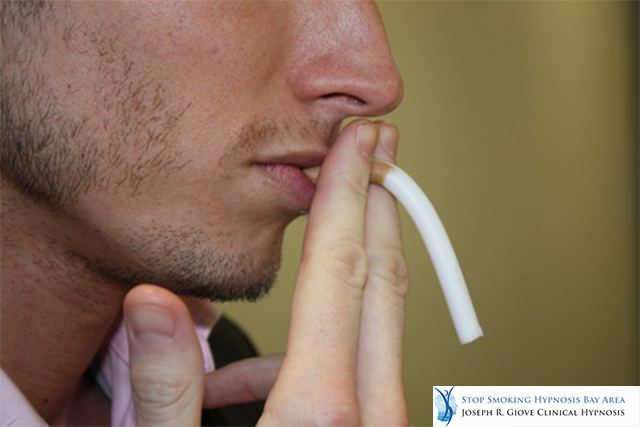
Tag: Addiction to Smoking

Are you ready to break your addiction to smoking? Call hypnotherapist Joseph Giove for help at his Bay Area office. Dial 925-215-4017 for an appointment.

  • Why Some People Experience Severe Anxiety After Quitting Smoking

    Why Some People Experience Severe Anxiety After Quitting Smoking

    Quitting smoking is one of the hardest things to do because of the toll it can take on the mind as well as the body. Being addicted to cigarettes has been likened to heroin or cocaine addiction. It is very difficult to quit and there are withdrawal symptoms that come along with quitting. Some people are able to get through the withdrawal symptoms with ease. Others have a more difficult time.

    Some people have more difficulty quitting smoking than others and this can lead to some people experiencing severe anxiety. There is a fear that they are doing something wrong, will have a relapse, or fail outright.

    This article will discuss some coping tips for to reduce stress when you are quitting, depression, and reducing anxiety, and how Clinical Hypnosis and Hypnotherapy can help.

    Coping Tips to Reduce Stress When You Are Quitting

    • Do things you like doing
      • Keeping a positive mindset will go a long way to reach your goal of quitting smoking. One way to do that is to keep doing the things you enjoy. Whether it’s exercising, watching tv, or reading, doing the things you like to do will keep your stress and anxiety levels down, and your mind off smoking.
    • Give yourself a break
      • Optimism is key to quitting smoking. Don’t get down on yourself because quitting smoking is very hard to do. If you are convinced that you can navigate this difficult path then your journey will have a much greater chance of success.
    • Exercise
      • Exercise is not only good for the body, it is good for the mind. Doing some exercises will greatly reduce the stresses that come along with quitting smoking. This does not mean you have to go to the gym everyday. An exercise as simple as walking will go along way to reduce stress.
    • Resolve problems quickly
      • In order to minimize your stress levels right when you quit smoking and the tough months that follow, make sure you put your affairs in order. Solving your short term problems before you start to quit smoking will save you a lot of headaches that would previously be on top of the pressures of quitting smoking.
    • Know the signs of stress
      • Recognizing situations you know will stress you out, and then avoiding them, will go a long way to reducing stress and anxiety when you are quitting smoking. Signs of stress include headaches, sleeplessness, and feeling angry. When you feel these symptoms coming on, try to relax right away.
    • Practise yoga
      • Yoga is really good reducing stress because it relaxes the muscles and teaches you to control your breathing. Controlling your breathing when you get in stressful situations will help you calm yourself, and not make you want to reach for a cigarette.
    • Have a friend
      • Having someone around will allow you to vent out some of the things that are stressing you out and causing anxiety. Quitting smoking means that you may get agitated, angry and frustrated more easily. By having a friend to talk to you will be able to get rid of some stress. This will be helpful in your quitting process.
    • Have patience
      • Quitting smoking is a difficult task and there may be times you feel like you want to give up. It might even take you a few tries to do it. The main thing is to stay positive and stay with it. There will be good days and bad days, but patience with the process will alleviate some of that stress and anxiety that comes with quitting smoking.

    Crush Your Cigarette Habit with Clinical Hypnotherapy

    Depression

    Depression usually occurs right after someone quits smoking. The severity of the sadness can vary for each individual but overall, it tends to be minor and not last very long. If your depression does not go away after a month, you may have a more severe case of depression and you should consult a doctor.

    Mild depression can be alleviated by doing simple things such as:

    • Exercising
    • Doing something fun with a friend
    • Breathing deeply
    • Making a list of annoyances and try to fix them

    Reduce Your Depression and Anxiety

    Depression and anxiety are the most common side effects experienced when quitting smoking. These effects are natural and can range from mild to severe. If they last too long though, make sure you consult a doctor.

    By using some of the techniques mentioned in this article you can manage the stress and anxiety. While a good support system is great and will definitely help you quit smoking, it will be up to you to reach your goal.

    Clinical Hypnosis and Hypnotherapy

    Quitting smoking is a difficult task, some have a harder time than others. If you are not one of the lucky ones that have an easy time quitting, you might experience severe anxiety after your last cigarette.

    For some people it is as simple as knowing that would be their last cigarette. They will get depressed that they don’t get to do the thing they love anymore and then possible relapse. We are all human and depression and anxiety after quitting smoking is normal.

    If you are experiencing severe depression or anxiety, Joseph R. Giove can help. Using the power of the mind and Clinical Hypnosis and Hypnotherapy, he can help you manage these symptoms. Joseph R. Giove is a certified Clinical Hypnotist and has over 30 years of experience helping people quit smoking and manage their withdrawal symptoms, particularly anxiety and depression.

  • Why Do People Smoke Weed?

    Why Do People Smoke Weed?

    Marijuana, or weed, has been used for thousands of years by many different cultures around the world. However, its use has become controversial in modern society.

    The active ingredient in marijuana is THC (tetrahydrocannabinol), which gives the user a “high” that can last for minutes or hours, depending on the strain of weed being smoked. Marijuana is still a Schedule 1 narcotic substance in the United States and Canada, along with heroin and acid (LSD) among other drugs.

    Although marijuana is still in the process of being legalized, the penalties for possession and consumption can be severe in some states. Penalties can range from small fines, to time behind bars. Punishments such as these can have a detrimental effect on a person’s life, and the life of their family.

    So why do people smoke marijuana?

    This article will discuss some of the potential reasons for smoking weed including medical reasons, social situations, managing stress, and simply getting high.

    Medical Marijuana

    The use of cannabis (weed) is now being used to ease the pain of people that are suffering from diseases such as Multiple Sclerosis, HIV/AIDS and other ailments that require pain management. Basically, medical marijuana is used for pain relief, and can also help with symptoms such as nausea that often come along with chemotherapy treatments. These treatments can be very intense and people use marijuana to cure to their discomfort.

    While medical marijuana is legal in Canada and there is no legal penalty in 24 of the States in America, as well as the District of Columbia, it is basically being used as an opiate. There are no long term, scientific studies to prove that weed cures any diseases, however, it is most commonly used as a pain suppressant and not an actual treatment.

    While ingesting medical marijuana does relieve pain temporarily, there is no evidence that it is a cure for any underlying pain.

    Social Factors

    As with smoking cigarettes, there is often a social stigma that factors into why people may begin to smoke weed: they may feel pressured into it.

    For teenagers, smoking weed is seen as the “cool” thing to do and many are coerced to try smoking weed before they want to. Trying to fit into what society wants is the largest factor driving adolescents to start smoking weed, and they can then become addicted to it.

    Smoking marijuana is almost the same as smoking cigarettes in terms of risk factors. Nicotine in cigarettes is stronger that the THC that is found in marijuana, but both have the same chemicals that can make a person addicted.

    Smoking in general is now being outlawed in most public places in North America, and is gradually falling out of favor in many social scenes. Because of this, younger people will often smoke weed in closed social situations such as parties and other intimate social gatherings. Now that smoking weed is no longer a social norm, smoking away from the public eye is now what the younger people must do.

    Smoking Weed for Stress and Pain Management

    Smoking weed produces a “high” that comes in the form of relaxation and the feeling of positive emotions instead of negative ones, The injection of chemicals into the brain from smoking weed will naturally nullify certain pain receptors.

    In addition to pain management, smoking weed can also decreases stress in the same manner.
    Marijuana smoke can theoretically reduce the pain and suffering of people with anxiety disorders and seizures for a small amount of time.

    Smoking weed is also an effective tool to provide an increase in appetite and a reduction of nausea for people going through chemotherapy or other traumatic procedures. However, smoking too much weed can lead to paranoid behavior, the exact opposite of the intended effect of marijuana.

    This is an important factor to consider, and many people may want to quit smoking entirely. Clinical Hypnosis and Hypnotherapy is one of the most effective ways to quit, and hypnotherapist Joseph R.Giove has over 30 years of experience in the smoking cessation field.

    People smoke weed for stress and pain relief

    Just to Get High

    The governments of many countries around the world have certain misgivings about the legality of marijuana. It is still a Schedule 1 drug in the United States and it will be that way until Congress passes a law saying otherwise. Until that day, it is illegal to smoke weed in the United States. That being said, people still use weed just to get a high the same as using other Schedule 1 drugs like heroin and acid.

    There is the notion of getting a high is dangerous and exciting. Perhaps the most intriguing part of smoking weed, especially for young people, is the aspect of doing something dangerous.
    Getting a high is the most common reason for young adults to start smoking weed, and also to continue smoking weed. This is a dangerous habit to start and even harder to break. Joseph R Giove and Clinical Hypnosis and Hypnotherapy can help to break this cycle.

    Clinical Hypnosis and Hypnotherapy Can Help You Quit smoking Weed

    There is no long term scientific studies to determine the precise side effects of smoking weed for a long period of time. While some of these studies suggest that smoking marijuana when in pain helps ease a person’s suffering, the greater health effects to a person’s lungs and brain may be more dangerous. Joseph R. Giove can help you overcome your addiction to marijuana.

    Joseph R.Giove is a certified Clinical Hypnotist with over 30 years of experience in the field of helping people quit smoking. His methods are non-invasive and he uses no additional chemicals or carcinogens to help you quit smoking. The best way to quit smoking weed is to let Joseph R. Giove help you use the power of your own mind to help you quit smoking.

  • Cigarette Smoking And Impotence 

    Cigarette Smoking And Impotence 

    Medical science regularly focuses on finding the information needed to keep us as healthy as possible. And along with cures for diseases and illnesses, a lot of that research focuses instead on prevention. It makes sense – preventing problems is much easier than correcting them, after all. To do so, we need to identify, understand, and avoid health risks.

    One of the biggest health risks in history is certainly smoking cigarettes. This habit has been proven to directly cause or lead to heart disease, cancer, and a variety of other health issues. But at Joseph R. Giove Clinical Hypnosis, I’m surprised at how many people don’t realize the full extent of smoking and how it can impact other parts of their health.

    For many, there are certain health issues that are linked to smoking that can come as a surprise. A perfect example of this is in impotence and sexual dysfunction, and it’s important to take a closer look at this problem and how smoking can impact it.

    The Hard Data

    First, it’s worth taking a look at the numbers related to this issue. A recent study involving over 4,700 men looked at sexual relationships and lifestyle choices. Here’s what the survey found.

    • Current and former smokers were roughly 30{cb12661b2b7fd86e618703ac3a1bf5df9897d897450d7668a57e7745cc225577} more likely to be dealing with impotence of some kind than those who had never smoked.
    • Heavy smokers – those who smoke more than a pack a day – have a 60{cb12661b2b7fd86e618703ac3a1bf5df9897d897450d7668a57e7745cc225577} higher chance of impotence, in particular erectile dysfunction.
    • 15{cb12661b2b7fd86e618703ac3a1bf5df9897d897450d7668a57e7745cc225577} of those who smoke or have smoked in the past reported that they have experienced erectile dysfunction at least once.
    • About 12{cb12661b2b7fd86e618703ac3a1bf5df9897d897450d7668a57e7745cc225577} of non-smokers reported experiencing erectile dysfunction.

    But that’s just one study. Another program actually examined things like erection strength throughout the course of the study. Here’s a look at some of the numbers from that study.

    • At the beginning of the study, about 20{cb12661b2b7fd86e618703ac3a1bf5df9897d897450d7668a57e7745cc225577} of participants stated that they suffered from erectile dysfunction.
    • When the study concluded, 75{cb12661b2b7fd86e618703ac3a1bf5df9897d897450d7668a57e7745cc225577} of those who had quit smoking reported experiencing no more problems with impotence
    • Those who avoided nicotine altogether developed larger and firmer erections – but these changes only came upon stopping all nicotine, not just smoking in general.

    In other words, the evidence is overwhelming – smoking directly causes and worsens impotence and other sexual dysfunction problems. In addition to impacting your health in a dramatic way, it may also be hurting your sex life.

    Smoking Cigarettes Can Lead To Impotence

    Why Does Smoking Impact Impotence?

    The next thing you probably want to understand is how this happens and why smoking causes impotence at all. This isn’t difficult to understand if you take a closer look at how smoking works and how it can impact your life.

    First, you’ll need to understand erectile dysfunction itself. Basically, this is a problem wherein the penis fails to fill completely with blood. When the arteries within the penis fill with blood, they expand and create an erection. Poor arterial blood supply means that an erection is difficult to attain – the more blood, the better.

    But smoking impedes the blood flow within your body. The chemicals in cigarette smoke damage the blood vessels significantly. This in turn can restrict blood flow moving through them, which in turn means that there isn’t as much blood moving to the penis when there should be. Add to this the fact that smoking can weaken or damage the heart, reducing its ability to pump blood throughout the body effectively, and it isn’t hard to see just how smoking impacts impotence.

    Additionally, it’s worth remembering that the blood flow moving throughout the body is dictated by the nervous system. Research shows that smoking can directly impact the nervous system as well, and as a result it can be much harder to get or maintain an erection – the brain isn’t able to properly control the blood flow, and even when it does the damaged arteries make it harder to get the erection.

    Additional Health Risks

    Along with outright impotence, it’s important to pay attention to the fact that smoking can impact a lot of other aspects of your health that may directly relate to sexual performance. Things like respiratory health, cardiovascular health, and more can all impact your sexual health due to their potential influence on health overall. In short, your smoking will not only directly influence your sex life, but indirectly as well.

    And many of the health problems that smoking causes will also have an influence on sex. For example, something like heart disease could trigger fatigue which in turn can reduce your overall desire for sex. This is just one example.

    All in all, it’s important to understand that your body is a finely tuned machine, and introducing any chemicals to it that shouldn’t be part of it will undoubtedly impact your health and the way the body performs. This includes your sexual performance.

    Overcoming The Problem

    Luckily, if you’re experiencing impotence as a result of smoking, there’s hope. The studies show that after smoking, impotence issues lessen dramatically and the strength of erections increase significantly. Just putting down the cigarettes is enough to start moving back towards a healthier you overall and a healthier you in the bedroom.

    But, with that said, remember that the data shows that it’s not just smoking that can impact an erection – it’s nicotine itself. In other words, if you’re looking to improve your sexual performance you can’t just stop smoking by using patches, gum, or those electronic cigarettes. Instead, you need to stop nicotine use entirely.

    Hypnosis is a perfect way to do so, and offers a way to stop smoking without the use of supporting nicotine. This lets you put down the smokes and start moving towards a healthier you – and a healthier sex life – naturally. Science has proven that it’s highly effective, and that it’s one of the absolute best ways to stop smoking for good.

    If you’re a smoker who is dealing with erection problems it might be time to stop smoking. The impact on your life can’t be overstated, and it’s something that you can’t afford to ignore any longer.

  • Trying to Quit Smoking

    Trying to Quit Smoking

    Although there are many times when people lack the necessary awareness to make the decision that will be the most beneficial to wellness and health. This is not uncommon, and can often depend upon a number of demographic factors as well as personal experiences. In these cases, the hoped for outcome is always one that will lead to greater clarity and the ability to make a more educated choice in the future.

    However, there are also many times when people already have a sense of the healthier behavior, but they still choose to follow a path that may be familiar, but far less safe. This can frequently be seen as the case with smoking, especially when what is thought to be a choice is actually a negative habit that has been learned and reinforced over time.

    Knowing the Consequences

    The above pattern is common to anyone who smokes, and it is unlikely that any smoker does not realize the risks they may be causing to health. This also means that non-smoking friends of the smoker can sometimes have a very difficult time in understanding why their loved one “will not” quit. Unfortunately, this attitude is not one of support, and can actually be detrimental to the person who is trying to quit.

    The fact that foreknowledge of consequences is not sufficient to keep people from picking up a cigarette in the first place also gives some further insight into the nature of the addiction and why it can be so difficult to quit. Exploring these regions of motivation can also help smokers release their attachment, especially through the use of hypnosis. Smokers can call 866-863-4669 or email Joseph R. Giove at Stop Smoking Hypnosis Bay Area to take that step in the direction of the informed choice, instead of the habit.

    Quitting Makes You Want to Smoke?

    It is also important to realize that people who are trying to quit smoking can also be under extreme pressure regarding the endeavor. This can apply to loved ones or friends who are trying to be supportive, but to the person who is trying to quit, this care can sometimes feel like a burden of expectations. Should the person who is trying to quit smoking have a slip up, it can feel as though that individual has let others down, and the stress and anxiety then further triggers a craving.

    This pressure can still be true for individuals who are trying to quit smoking for their own personal motivations. Internal evaluations can often be harder on the self than external ones, and in these cases as well, the stress of trying to quit can actually generate less successful outcomes. However, understanding that this pressure is being placed on an individual who is already searching for coping tools can also allow for a better means of trying to quit smoking.

    Accepting the Process

    Perhaps one of the most beneficial means of trying to quit smoking with any approach is that smokers understand that they are going through a process of unlearning what could be decades of habitually learned behaviors. In this way, smokers can also understand their initial motivations for smoking much better, and this can also lead to a more streamlined process of re-framing these motivations.

    Another important thing for people who are trying to quit smoking to think about is their actual goals, both in quitting and in long-term lifestyle changes for health and wellness. The more inherent motivation that an individual is able to tap into, the more they will be able to sustain their better behavioral choices. Thus, in starting with goals that are specifically related to smoking, the person can truly evaluate their own rationale in quitting. With the inclusion of long-term health goals, people can also start to see how their choices and their health are interrelated.

    The personal goals list can also provide the person who is trying to quit with insights into how the behavioral pattern became reinforced initially. This allows individuals to begin to work the actual process of letting go of their attachment to smoking and to the initial behavioral reinforcement that led to addiction in the first place. Further, it gives people who are trying to quit smoking positive tools that are based in personal goals as a means to truly connect the intent to quit with the motivation.

    Taking the First Steps of the Journey

    Along with setting long and short term goals when trying to quit smoking, it can also be helpful for individuals to go through a pre-quitting phase in order to prepare for life as a non-smoker. This can also be helpful because it allows the person to begin to visualize a life without cigarettes, and this can be particularly beneficial with hypnosis to stop smoking. Essentially, before actually going through the actions, people can still prepare themselves in a way that makes success likely.

    Plan On Quitting Smoking

    Part of the pre-quitting phase should also be having a plan. This can include:

    • Looking into resources to try to quit smoking
    • Deciding an approach to quitting
    • Setting a timeline for quitting goals
    • Having healthy alternatives in place for behavioral adjustment
    • Finding a positive support network, which can include groups of other non-smokers

    Although each of these factors can greatly contribute to facilitating trying to quit smoking, they can also become synergistically supportive, especially when hypnosis is used for smoking cessation. This is mainly due to the fact that the above points are considering the removal of blockages to success in a manifest way, while the hypnosis provides a means of releasing blockages in an emotional and mental way.

    The result is that trying to quit smoking can become a more streamlined and easier process when people take the proper measures to enact this change. Emailing or calling Joseph R. Giove at Stop Smoking Hypnosis Bay Area is an ideal first step, as it will also begin to get people who are trying to quit smoking in the right mental, and even physical, space for the pre-quitting phase.

  • Best Way to Quit Smoking

    Best Way to Quit Smoking

    One of the truly impressive and beneficial outcomes of new health care trends is the raising of health literacy for the nation. Several decades prior, an initial shift in the health care system moved people into what had been the prevalent trend of personal disempowerment in wellness based on deference to medical professionals. Unfortunately, the reason that so many people have given away their own say in health is because less questions are asked about care protocols and preventive measures, which can also lessen the understanding of the actual impact of risk factors on health.

    However, the current shift is not only back to education and raising awareness, but also to regaining personal power over health matters. An understandable result of this is also a greater focus on smoking cessation in communities and organizations, which also means that individuals are beginning to adopt this focus more strongly. Another result is that there are many resources a person can consider when choosing to take control of health and quit smoking.

    As a result of both the better wellness awareness and the intent to make positive health changes, people will often further research options to find the best way to quit smoking. Accessing Joseph R. Giove’s Quit Smoking Online Virtual Clinic can provide a very strong option for success, and many individuals do find that using hypnosis to quit smoking can achieve goals, even when other methods have failed.

    This does also bring up a pertinent point regarding perspectives on the best way to quit smoking, and the truth is that there is not necessarily a definitive answer. Just as every individual has their own reasons for initially starting to smoke and wanting to quit, every person will also have a different response to a variety of interventions. This can also make it important to look at several methods to quit smoking and compare benefits and response in order to achieve the best fit.

    Quitting Cold Turkey

    Although this is possibly the most difficult manner of quitting, it does not mean that it is not effective. This is partially due to the simplicity of the method, which is simply to no longer smoke. The reason that this can be a more difficult method for success is because there is no transition time, especially on a psychological level, to adjust to the change in behavior. Unfortunately, for many people who try to quit cold turkey, positive results may only last as long as a few days to a week.

    However, it should be noted that there are a fair number of former smokers who have permanently quit simply by getting up one morning and making the choice to not have a cigarette. For certain personalities, this determination is sufficient to quit, but the majority of people feel extreme pressure with the cold turkey method, since it is a distinct all or nothing approach.

    The Reduction Method

    This approach to quitting smoking has fair success, and a number of former smokers find that it is effective, so long as individuals stay regimented in their process. With this form of quitting smoking, the person basically reduces the number of cigarettes that they smoke each day by a set amount, until they are no longer smoking. What is positive about this method is that it does give a span of time for physical and emotional detoxing, which can make the final transition into not smoking easier.

    The negative points to this approach are usually regarding motivation and will power, which can also represent emotional blockages that are interfering with success. Further, it can be easier to “cheat” on the reduction method, as many people can begin to rationalize that they need a longer transition, especially as actual quitting draws nearer. Just as with the cold turkey method, this can be smoking cessation approach that may only be ideal for certain personalities.

    Medications to Quit smoking

    The use of drugs to quit smoking has become quite popular, and just like other methods, there are positives and negatives that are associated with this. First, it is important to note that smoking cessation drugs can be either nicotine or non-nicotine based. Nicotine based drugs are often just acting as cigarettes that are not being inhaled, and there can be some concern that the addiction is still present, just in a different form. Some nicotine drugs will use a step-down system to actually wean the person physically, but these drugs can become dangerous if the person decides to still have a cigarette, and they do not really address actual behaviors.

    Non-nicotine drugs reduce the urge to smoke by interfering with the receptors in the brain that crave the nicotine. This can be more positive for breaking the actual addiction, but there can be unpleasant side effects for these drugs, including mood changes and dissociative events. However, there is success with these medications, although many people who are choosing to quit may not wish to add further chemicals to their body. These medications do at least take transitioning into consideration, and that can be a vital point for many people trying to enact behavioral change.

    Hypnosis Can Help You Stop Smoking

    Hypnosis to Quit smoking

    For some smokers, this choice is a last resort, while others may find that it is an ideal fit from the start. One of the big draws for many individuals is that hypnosis is non-invasive and non-medication, as this already supports lifestyle choices for wellness, which helps to further generate inherent motivation. With hypnosis for quitting smoking, the practitioner works with the client in order to release the mental and emotional constructs that lead to the continuation of smoking. The result is that the aspect of addiction becomes more fully addressed, but also that the individual gains better self-knowledge and empowerment in the process.

    Taking the Quit Smoking Vulnerability Quiz will not only give smokers who want to quit a better picture of what hypnosis can do for them, but it can also be the first step towards a smoke-free life of wellness.

  • Tip-3: Is Smoking Cigarettes Habit or Addiction?

    My name is Joseph Giove. I’m a biomedical engineer and a clinical hypnotist. I’ve helped thousands of people stop smoking over the last twenty five years. I created this video series to help you become free of the habit an addiction of smoking cigarettes.

    Is smoking cigarettes a habit or an addiction? The short answer is: it is both. Many people who smoke cigarettes do not believe they are actually addicted and the reality is that they are. You are a social smoker, of course, if you can pick up a cigarette and smoke one, then not smoke one for another 2-3 weeks, then you are not addicted. But nicotine is clearly an addicted substance, and because the process of smoking is both a habit and an addiction, you have to address both in your process of quitting smoking.

    A habit requires habit change; nicotine addiction requires detoxification. There are different approaches to an addiction versus a habit but because cigarette smoking is both you have to address both. The failures of other methods in particular nicotine replacements, the most trendy and popular ones now are E-cigarettes, perpetuate the addictive process. The addiction can trigger the habit; the habit can trigger the addiction. That is why in my practice almost everyone I see, and I mean 95{cb12661b2b7fd86e618703ac3a1bf5df9897d897450d7668a57e7745cc225577} of the people I see, have tried nicotine replacements and they are either still smoking or they have become addicted to the E-cigarette or the patch, the gum and so on.

    Let’s be straight about what it is, address it: the process of smoking and the process of quitting smoking as both a habit and an addiction, and you will greatly improve your chances of becoming free forever.

    Take action now to be free. If you need assistance, I help people all over the world through phone sessions and private sessions at my clinic in Northern California. Feel free to call my office at 925-215-4017 or contact me here and get ready to enjoy your freedom.

    Watch this Video on YouTube

  • Tip-7: Will I Crave Cigarettes after I Stop Smoking?

    My name is Joseph Giove. I’m a biomedical engineer and a clinical hypnotist. I’ve helped thousands of people stop smoking over the last twenty five years. I created this video series to help you become free of the habit an addiction of smoking cigarettes.

    Will I crave cigarettes after I quit? I get asked this all the time and the really short answer is “no.” I can say this confidently because you never have, you never will ever crave cigarettes. I know that is a bold statement but you do not crave POISON and you are not craving nicotine poison any more than you would crave arsenic or gasoline or turpentine.

    You are not craving these other things and you are not craving nicotine poison. Your body does not crave nor does it want another hit of 4000 poisonous chemicals. What your body is actually wanting, what it is actually giving you an urge on impulse for is what nicotine has stolen from your body or more accurately it is what your body had to spend to get rid of or to push out poisons from your blood stream. That is what your body is craving. And what those things are specifically you need to give your body, and what they are you will find out in other videos in this series.

    The bottom line is you never have, you never will ever crave a cigarette. You are craving something else, find out what that is and start giving your body that other thing or those other things

    Take action now to be free. If you need assistance, I help people all over the world through phone sessions and private sessions at my clinic in Northern California. Feel free to call my office at 925-215-4017 or contact me here and get ready to enjoy your freedom.

    Watch this Video on YouTube

  • Stop Smoking Hypnosis Facts

    Stop Smoking Hypnosis Facts

    The research for hypnosis to stop smoking is very vigorous. It shows a significantly increased success rate when using hypnosis to help you to stop smoking, and points to hypnosis as the most effective form of smoking cessation therapy, with a higher success rate than nicotine patches, nicotine gum, e-cigarettes, medicines, etc.

    Hypnosis is the most effective way of giving up smoking

    In 1992 the University of Iowa conducted a meta-analysis of studies using different methods to try and help people to quit smoking. This was the largest ever scientific comparison – looking at more than 600 studies which contained 72,000 people in total, from America and Europe.

    They found that on average, hypnosis was over three times as effective as nicotine patches or nicotine replacement methods and 15 times as effective as trying to quit alone, and concluded that hypnosis is by far the most effective way of giving up smoking.

    (more…)

Call Now Button